Obituaries

This page honours and celebrates the lives of Old Members, academics, staff, and friends of Balliol. We hope it will provide a lasting and accessible record of those connected to the College, while also offering a space for reflection and remembrance of their achievements, contributions, friendships, and the many ways in which they shaped the life of Balliol and the wider world.

The obituaries currently available on this page have been drawn from previous editions of the Annual Record, as well as from publicly available obituaries published elsewhere online. This page is still in development, and we hope over time to build a more comprehensive record.

If you would like to submit an obituary of a Balliol member, please contact the Development Office at: development.​office@​balliol.​ox.​ac.​uk.

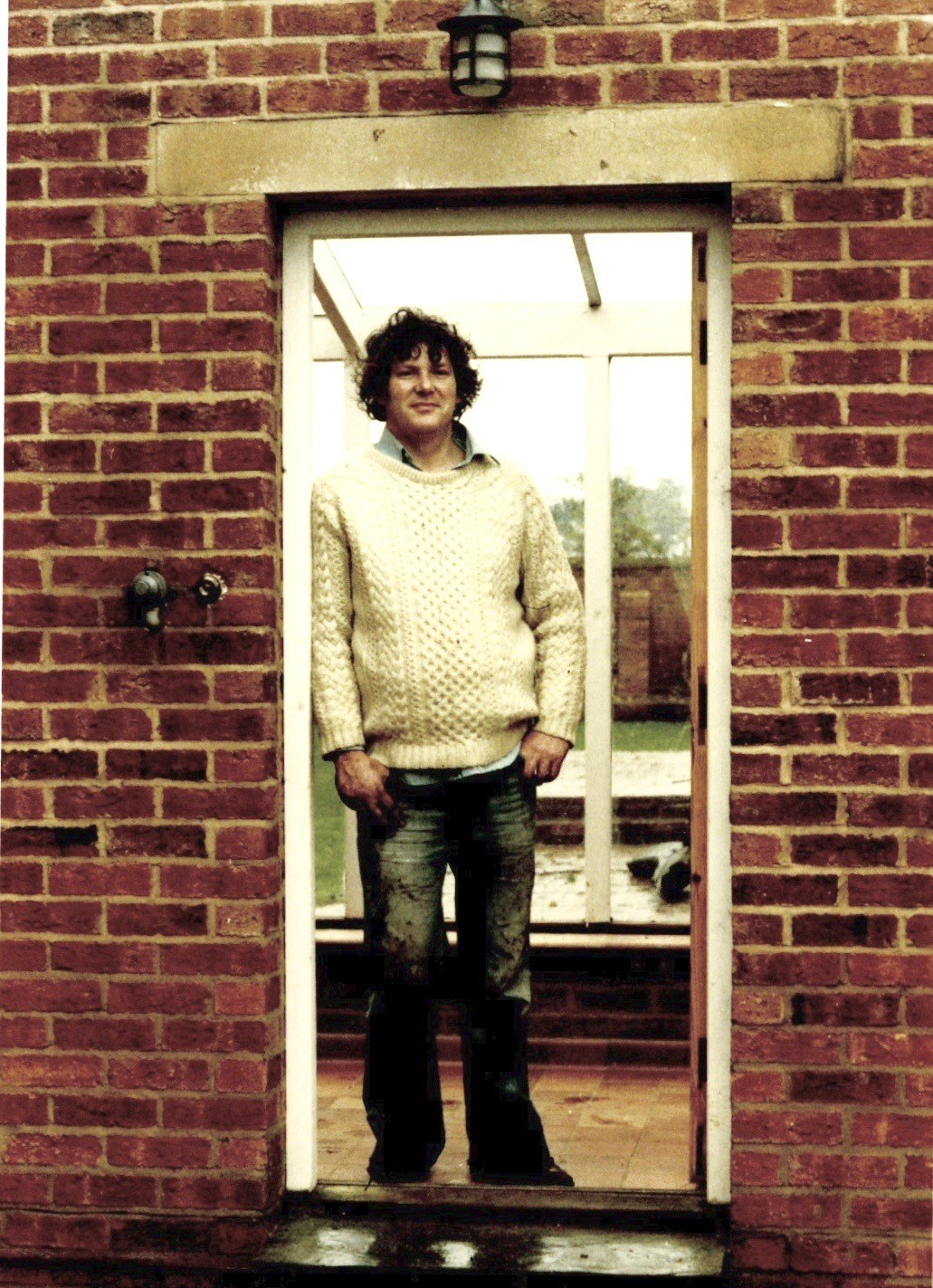
Michael Wolfgang Warburg

1949, BA Modern History and Foundation Fellow from 2005
15 September 1928 — 30 December 2020

Dame Stephanie Shirley CH (Foundation Fellow) 

Foundation Fellow Mike Warburg sadly died on 30 December 2020 aged 92 after a significant illness. 

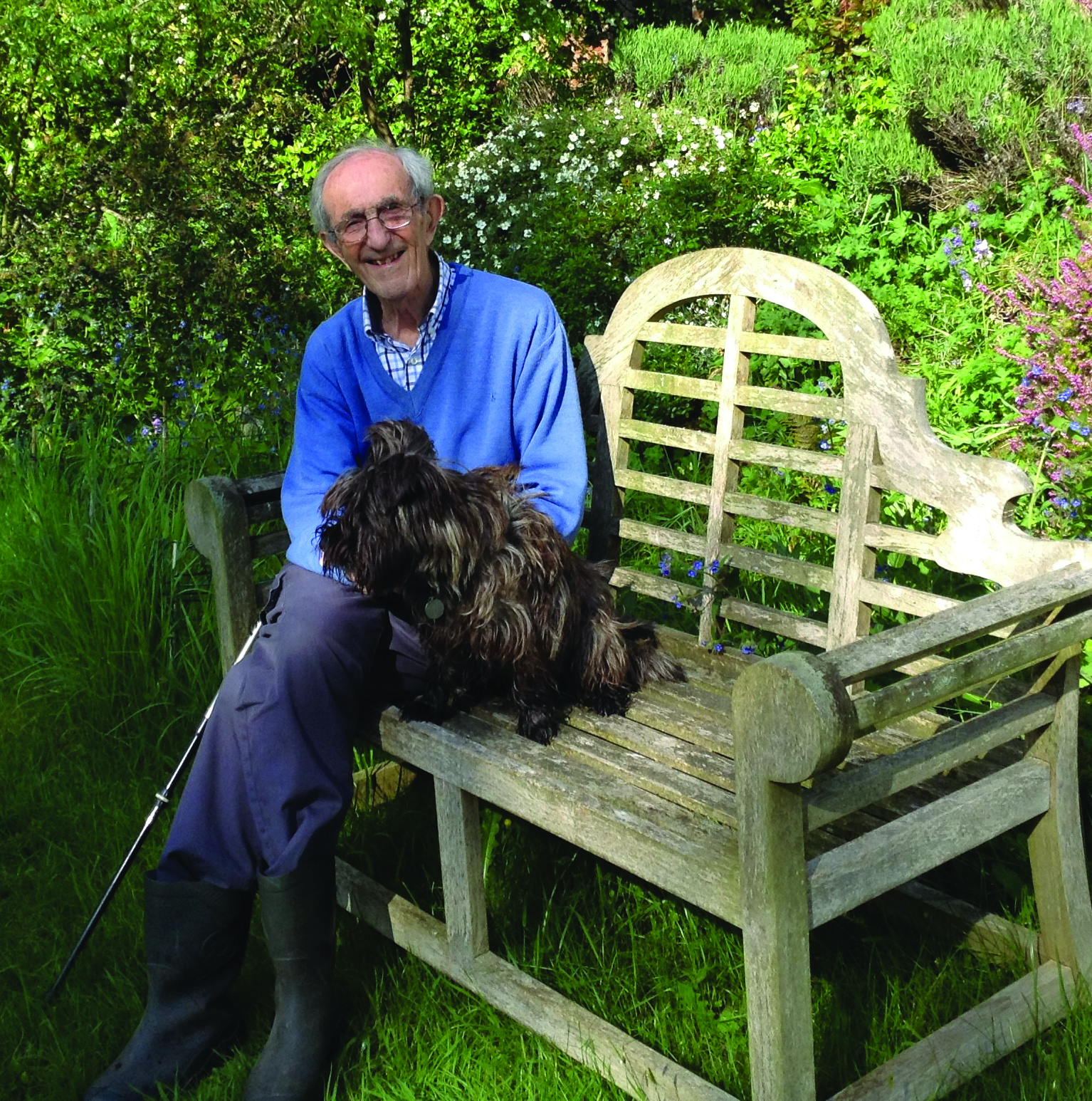
Michael WarbergMike was born in the port city of Kiel on Germany’s Baltic Sea coast. His father, known as Der Rote (the Red One), wrote for a left-wing paper and was (even before Hitler came to power) well known to the Nazis as a politically active opponent of National Socialism. So, for safety, the family relocated to Berlin and thence, in 1934, to England. Here the family spoke only English (hence Michael and his younger sister Renate spoke without any accent) and took British nationality. Michael became one of the many in that wave of émigrés from Nazi Europe to contribute significantly to British society. 

Chance played a part in the family’s exile. His mother, Charlotte, was refused passports for the family but when the official realised how scared she was, he asked if she was the daughter-in-law of Professor Otto Warburg. There were two Professor Otto Warburgs: a cancer specialist who had saved the official’s wife, and Michael’s grandfather. When Charlotte confirmed the relationship (but without saying which one) the official authorised the passports as an expression of his thanks. 

Mike attended primary school in Golders Green; he was evacuated to near High Wycombe and when at the Royal Grammar School there, and very aware that his father was on Hitler’s Most Wanted List, he persuaded some soldiers billeted at the school to teach him how to handle a rifle. 

Although his aunts, uncles and cousins also escaped the Holocaust, some more distant family members did not. Mike said he would never forget the fear he saw in his mother’s eyes when, looking out of a bus, she saw the SS (Nazi police) marching in the street. He never wanted to talk about the Holocaust or to watch anything to do with it. He felt lucky to be alive and made sure his life was worth something. 

He returned to Germany in the second year of his National Service (delayed because of the coal shortage) before reading Modern History at Balliol, graduating in 1952. He represented Balliol Rugby XV at fullback. He often said Balliol finally gave him status in his adopted country. 

Mike described himself as ‘a very minor scion of the banking dynasty’. His career as a City functionary and in computer software involved only three jobs. He began work in 1953 (when Britain had a computer industry) for Powers-Samas (later ICL), including four years in Germany; then (1966–1987) he worked with the Extel Group, ultimately as Managing Director of Extel Financial, where he founded the FOCUS system for banks/financial services, still in use today as XShare. Finally he rose to Chief Executive and Deputy Chair of Rolfe & Nolan, leading supplier of software to the futures and options industry, where he was credited with turning the company’s fortunes around. Mike was an excellent motivator and leader – once featured proudly on the cover of Business magazine as the UK’s smartest boss. Colleagues remember him as a gifted communicator and for his significant mentoring role. Many who knew and worked with Mike have commented on how he helped and supported them to make the most of their opportunities. 

Mike was a moral man of honest principles, his ethics reflecting his Jewish heritage. His interests ranged from classical music and opera to conservation. He and Rosemary enjoyed musical holidays – Venice, Spain, France, the Rhein, and Aldeburgh Music Festival every June. 

He served on the Council of the Computing Services Association (1984 1990); Fellow also of the British Computer Society and of the Chartered Secretaries and Administrators, he was honorary Treasurer of the Worshipful Company of Information Technologists, and later appointed honorary Court Member – a unique position he held until his death. 

He was a passionate philanthropist, generously supporting Covent Garden Opera House, Wigmore Concert Hall, the RSPB and, of course, Balliol. A natural at encouraging people to donate, he used these talents to serve various other groups and societies. He served on Balliol’s Campaign Board to develop fundraising relationships, and the College benefited much from his active involvement over the years. Always with charm, he was unstoppable. Persistent, exacting and goal focused. He helped bring in the founding donations for the Oxford Internet Institute and, with his wife Rosemary, became a generous supporter including funding a History Fellowship. In 2005, he became one of the College’s handful of Foundation Fellows (as did Rosemary) and, in 2010, he was recognised by Oxford University as a Distinguished Friend of Oxford. 

Formal city gent he may have become, but he was also surprisingly unconventional. He had an unusual hobby. A passionate conservationist, he and Rosemary lived on the edge of Chorleywood Common and good citizen Mike fully supported the Parish Council who oversaw the Common. There was litter to be picked up; bye-laws to be enforced; and 180 acres to maintain.

There were also some ponds with great crested newts. (Back in 1937 Sir David Attenborough used to sell these for 3d each to the biology department of University College, Leicester. Now they are a protected species of amphibia.) Mike was a friend to all animals and became an avid protector of newts. He built a garden pond so as to propagate them, and an entire upstairs room in his tasteful home was full of huge breeding tanks and equipment. 

Mike was the founding father of Friends of Chorleywood Common and rallied with local residents to protect from development the area of outstanding natural beauty behind his house. In 1994 he spoke passionately on BBC1’s Nature Detective series about reversing the decline of protected great crested newts. He would display them every year at Chorleywood’s Village Day with long queues of both children and adults waiting to listen to him talking about the life cycle of newts. He is mourned by Rosemary, his wife for over 40 years; by his beloved children, Dina and spitting image Nigel from his first marriage to Norah Bailey; and by his extended family and many friends. Not only was Mike loved but he was admired and respected by his business colleagues – even by his competitors. 

The funeral at the Chilterns Crematorium was livestreamed on 20 January 2021. The College flag flew at half mast for three days to mark the passing of this staunch Balliol man – truly one of nature’s gentlemen.

Photo: Photograph courtesy of the Warburg family.

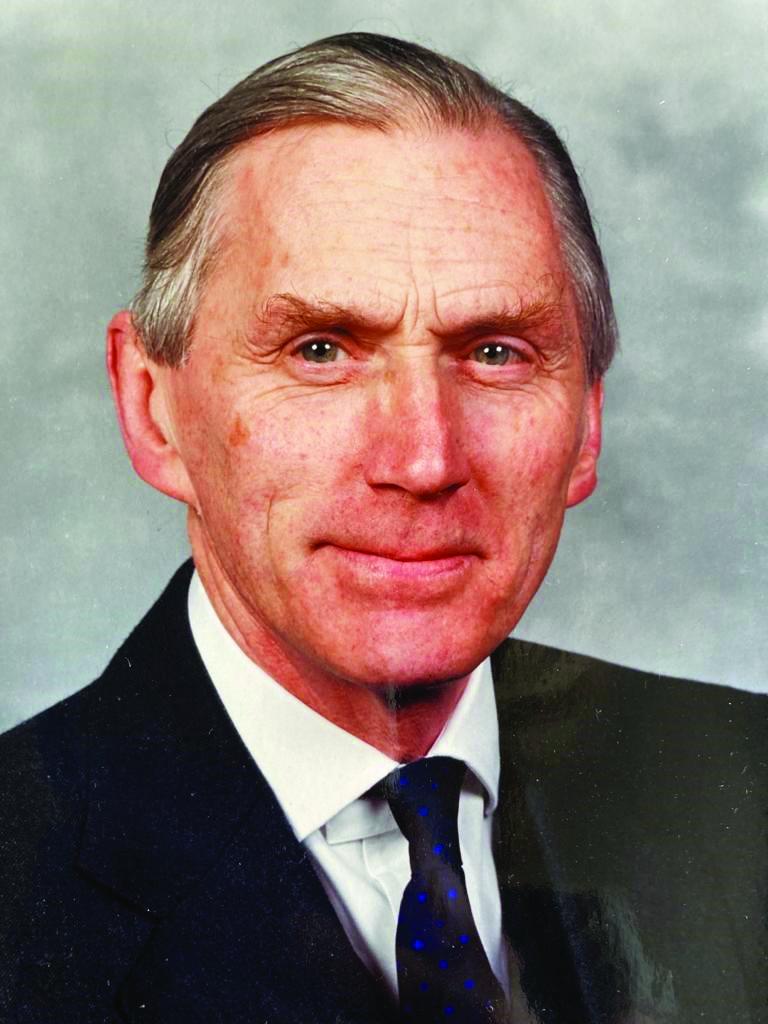
Leif Mills

1954, BA PPE
25 March 1936 — 17 December 2020

Paddy McGuinness (1982) 

When Leif Mills became President of the Trades Union Congress General Council in 1994 he declared himself proud to have made it to the top of ‘the last unclimbed peak of British life for the College’. This was typical of his lifelong thanks for the formation he had received at Balliol. 

Obituaries in the Times, Telegraph and Guardian lay out his work as leader of the Banking Insurance and Finance Union (formerly National Union of Bank Employees), his extensive contribution to formal reviews and public bodies, his determined moderation in the face of aggressive left-wing colleagues and Margaret Thatcher, and his lifelong support of the Labour Party and pleasure that he helped their electoral success in 1997. What of the man? 

Superficially Leif’s main inheritance from his time at Oxford was rowing. He was integral to the First Eight that rowed Head of the River in 1955 and 1956 and won Torpids in 1955. He narrowly missed a Blue in 1956 when he rowed for Isis, though he had been training in the Blue boat until a sick crew member returned to exclude him. He rowed on at Weybridge Rowing Club until he was 78 years old. In his last days his arms were still coils of muscle seemingly stained mahogany by the river. His picture hangs in the Buttery with those winning crews. 

Leif studied PPE and left with a Third. This was more a reflection of the rowing than his intellect. He spoke warmly of his tutors, M.R.D. Foot and Marcus Dick and, indeed, a young John Prest (Fellow and Tutor in Modern History 1954–1996), and he read ever deeper into the areas on which they had tutored him throughout his life. He reflected constantly on the practical human skills required for successful politics and was profound on the role of character, motivation and thoughtful handling of the individual. Apart from this he applied his mind to polar exploration, writing two biographies of those who had travelled with Shackleton. 

His tutors’ mark on him was most evident in his fairmindedness. He listened carefully to arguments from all sides and weighed the subjectivity in his own response. In an interview in 1992 he observed: ‘However obtuse some people may appear to be, they have a perfect right to put their point of view. I have learned to bite back the sharp-tongued retort, whatever the provocation.’ 

Leif’s absolute priority was family. He met his wife, Jilly, when at Balliol and married soon after graduation. He passed up a safe Parliamentary seat, hard won after standing in Salisbury in 1964 and 1965, because they had four children under four. His greatest joy was his nine grandchildren, some of whom row.

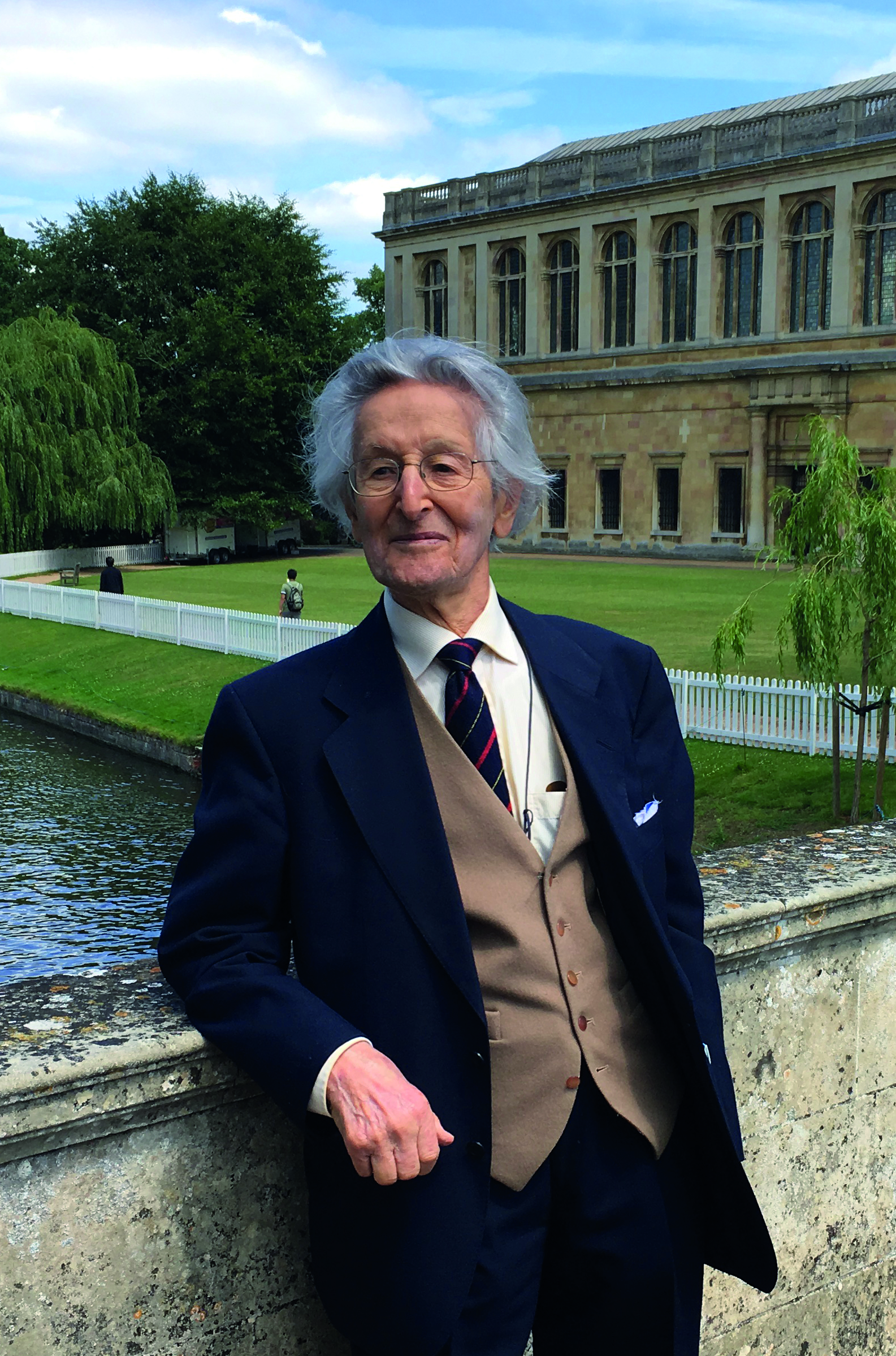
Senator Paul Sarbanes

1954, BA Philosophy, Politics and Economics and Honorary Fellow from 1992
03 February 1933 — 06 December 2020

Stephen Stamas (1953)

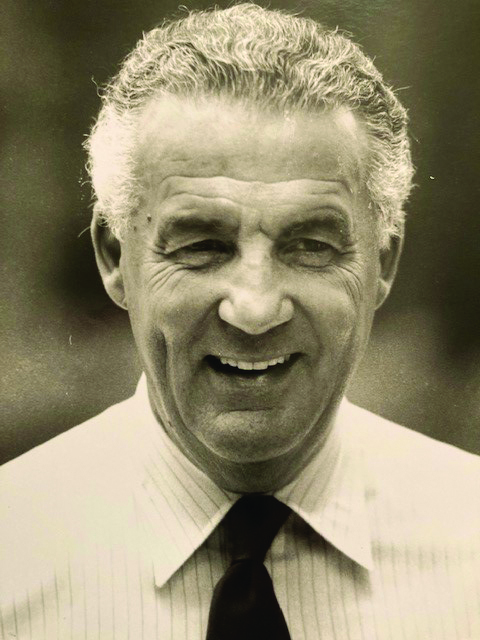
Paul SarbanesPaul Spyros Sarbanes, who died on 6 December 2020, served for 36 years in the United States Congress and played a major role in some of the most consequential domestic and international issues of this period. These included impeachment proceedings which led to the resignation of President Richard Nixon, the wars with Iraq in 1991 and 2003, and a major reform of corporate governance. After six years in the United States House of Representatives representing Baltimore, Maryland, he was elected by Maryland voters in 1976 to the first of five consecutive six-year terms as Senator, a Maryland record at the time he retired in 2007. 

Paul was born in 1933 in Salisbury, Maryland, the son of Spyros and Matina Sarbanes. His parents were immigrants from Greece who had settled there. He later recalled working in the family restaurant but that his father encouraged and insisted foremost on academic achievement. A Princeton alumnus recognised his academic and leadership potential and suggested he apply to Princeton University. He later called his Princeton years ‘his real intellectual awakening’. He excelled, graduating with a BA magna cum laude, and received the Pyne Prize for the most outstanding graduating student. 

He was elected to a Rhodes Scholarship and came to Oxford and Balliol in Michaelmas Term 1954. Those of us already in College were expectant about his arrival, and he did not disappoint us. Paul threw himself into College life, joined other Americans on the University basketball team and played an active role in the Junior Common Room. 

Rejecting reading Law (which would have subsequently shortened his time in an American law school), he chose to work towards another BA, in PPE. Well into his first year, he took steps to shift to a relatively new graduate degree, the BPhil. But he finally concluded that he would gain the most from Oxford by returning to PPE and the benefit of the tutorial system. He successfully asked the Warden of Rhodes House for a third year in Oxford. 

Paul remembered with some awe his encounters with Tommy Balogh (Fellow and Tutor in Politics 1940–1973), his economics tutor, who would often be lying on the floor while Paul read his essay: ‘Every once in a while he’d make some comment, and then at the end he’d sort of give a focused criticism of what you said . . . It was a wonderful learning experience.’ 

Paul obtained a First in PPE and shared the Jenkyns Prize in the subject. He did so despite having to cope with the unexpected death of his father just before the examinations and a trip home for the funeral. 

Like many of the Rhodes Scholars of the time, Paul had never travelled outside the United States before his appointment. Basketball gave him an outlet to Europe. He had played the sport in high school and at Princeton, and he quickly became a key member of the Oxford team, which also included Richard Lugar, later Paul’s long-time colleague in the United States Senate. Paul won a half Blue when Oxford defeated Cambridge. In the summer of 1955 the Oxford basketball team went to Romania for a tournament, surprising the Romanian athletes who did not expect to see experienced American and Canadian players representing Oxford. The following summer the Oxford team played in Czechoslovakia and Poland. While in Poland, Paul made an emotional trip to Auschwitz, accompanied by a Princeton friend whose family had perished there. Paul later observed that the opportunity to travel behind the Iron Curtain at that time was ‘really something’; he saw first hand the growing turbulence in Eastern Europe, with the Poznan riots erupting soon after the team left Poland.1 

When former President Harry Truman came to Oxford in June 1956, to receive an honorary degree, Paul, as head of the American Association, took the initiative to invite Truman to speak to the American group. Paul along with others escorted Truman, who insisted on walking, from New College to Rhodes House. The occasion was a forerunner of his later role in politics. 

It was the American Association that facilitated what Paul called the most important event of his life while at Oxford: he met his future wife, Christine Dunbar, at one of its meetings. She was English from Brighton and reading Greats at St Hugh’s College. Congressman John Sarbanes, Paul’s son, notes that Christine ‘came into his life like a bolt of lightning. He didn’t know what hit him . . . this brilliant, beautiful woman who could match him step for step in his intellect.’ Using the pretext of seeking to help Christine in her campaign to have women admitted to the Oxford Union, Paul pursued the relationship.

After finishing her Oxford degree two years later, Christine joined him in Cambridge, Massachusetts, while he finished Harvard Law School. They were married there in June 1960, beginning a remarkable personal and political partnership. They moved to Baltimore, where Paul clerked for an Appeals Court Judge and Christine taught classics at Goucher College. After stints in corporate law f irms, in 1962 he jumped at the opportunity to work as an assistant to Walter Heller, chairman of President Kennedy’s Council of Economic Advisors. There Paul witnessed the struggle by Heller and the administration to enact a tax cut in order to stimulate a sluggish economy. That experience may have influenced him years later to break with his party and support a Reagan-era tax cut which he considered flawed but needed for economic recovery. 

Later in his career Sarbanes was considered by some observers as a cautious politician, but there was nothing cautious about his first forays into elective politics. With Christine at his side, canvassing door to door as a liberal and reforming Democrat, he took on the established Democratic Party machine and won a seat in 1966 in the House of Delegates, where he jousted both with hidebound elements in his own party and with Spiro Agnew, who later became Governor of Maryland and Richard Nixon’s Vice President until he was forced to resign under the cloud of a bribery scandal. 

With financial support from the Greek–American community and the same tireless personal canvassing, in 1970 Sarbanes won election to the House of Representatives, defeating a long-time Democratic incumbent in the primary election and easily overcoming his Republican opponent in the general election. The breakout moment in politics for Sarbanes came in his selection by the House leadership to rewrite the first article of impeachment of President Nixon. He was a junior member of the House but already recognised for his careful, thorough approach and understanding of the constitutional issues. That thrust him into prominence in Maryland and national politics, and in 1976 Sarbanes successfully ran for the Senate seat held by an incumbent Republican. He was re-elected four times by wide margins until he retired in 2007. 

In the Senate Sarbanes was a strong advocate for protecting and expanding civil and voting rights. Two early incidents in his life are a clue to his subsequent advocacy. His Salisbury, Maryland, high school was segregated at the time but Paul and his team insisted that an African–American basketball team with which they had practised to prepare for a championship tournament be allowed to attend a scheduled game in Salisbury. Similarly, appalled that at Princeton some students still encountered discrimination, Paul pressed successfully for all students to receive an invitation to join an ‘eating club’. He credited his father for instilling such values.2 

He was also known for his advocacy for the Chesapeake Bay and Baltimore. I was with him at a public event in Washington in 1988 when I unwisely announced that the New York Philharmonic was going to the Soviet Union, on the first such tour by an American orchestra in many years. Paul promptly corrected me by pointing out that his Baltimore Symphony had already been there earlier in the year. 

During his Senate tenure Sarbanes served on the Senate Foreign Relations Committee and the Banking Committee. His reputation for exacting analysis and preparation led the Democratic leadership to designate him as a lead floor manager in the 1978 fight over the ratification of the Panama Canal treaties. Paul’s grasp of the details and tenacious support were crucial to the ratification of the bitterly contested treaties, which was one of President Carter’s signature achievements. 

Paul opposed the 1991 Gulf War against Iraq on the grounds that United Nations sanctions against Saddam Hussein had not been given time to work, and in 2002 he voted against the resolution authorising the invasion of Iraq. 

After the 1974 Turkish invasion and division of Cyprus into Greek Cypriot and Turkish enclaves, Sarbanes and John Brademas (then in the House of Representatives) led the Congressional effort to cut off military aid to Turkey. Secretary of State Henry Kissinger opposed their efforts as counterproductive and endangering relations with Turkey, a NATO partner. With the Greek–American community behind him, Sarbanes pressed successive US administrations to support the Greek position in a dispute that remains unresolved. 

As a member of both the Senate Banking and the Joint Economic Committees, Sarbanes was a major voice for Democrats on monetary and fiscal policy, jousting with chair of the Federal Reserve Alan Greenspan about high interest rates and deregulation of financial entities. Sarbanes challenged the Greenspan argument that markets are self-adjusting. He argued for low cost universal checking accounts and other financial services and protections for underserved communities. He was proud of his support for affordable housing and for Medicare and Medicaid programmes. 

As chair of the Senate Finance Committee in 2002, Sarbanes led the effort to reform corporate reporting and auditing in the wake of the Enron and other corporate scandals. The final version of what came to be known as the Sarbanes–Oxley Act was strengthened considerably by Sarbanes’ skilful management and detailed understanding of the issues. The Act provided for a Financial Accounting Standards Board to oversee outside auditors, and required corporations to have internal auditing systems and rotation of outside auditors, and the chief executive and chief financial officer to sign and be responsible for public financial statements. It is now widely regarded as a landmark in corporate governance reform. 

Paul was deeply affected by Christine’s death in 2009, so soon after his retirement from public service; he had looked forward to being with her without the distractions of political life. His family – sons John, who holds the same Maryland Congressional seat as his father, and Michael (1986), who teaches in the Baltimore City School system, and daughter Janet, author and professor at California Institute of the Arts – have said that Paul never fully recovered from the loss of Christine. Nevertheless he avidly followed political developments, and one can be sure that he was heartened by the election of President Biden and the success of the Democratic Party. He could also look back on a remarkable record of public service and a life well lived. 

1Much of the above information of his time at Balliol and Oxford is based on a 2015 Sarbanes oral interview. Sheridan Libraries, Johns Hopkins University. 

2Karl Lamb, Reasonable Disagreement: Two U.S. Senators and the Choices They Make (Routledge, 2020), pp 20–21.

Photo: Photograph courtesy of the Sarbanes family.

Professor Renée Claire Fox

George Eastman Visiting Professor in Sociology 1996
15 February 1928 — 23 September 2020

Judith Brown (Emeritus Fellow) 

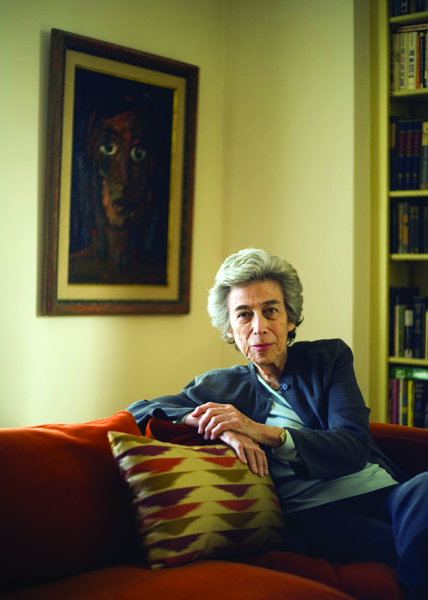
Renee FoxRenée Fox was a renowned American sociologist, who came to Balliol as Eastman Professor in 1996/1997 just before she retired as Professor at the University of Pennsylvania, where she had spent most of her teaching career. The focus of her work was the practice of medical care and she became one of the founders of the discipline of medical sociology. In recognition of her distinction she received many honours, including 11 honorary degrees; and an annual lecture was endowed in her honour at her own university. 

Renée was born in New York into a Jewish family which had migrated from central Europe in the 19th century. However, her life was nearly cut short in her student days at Smith College when she contracted polio in one of the last great epidemics to sweep the USA. She recovered but lived with the aftermath of the disease all her life. For much of her career she walked wearing a built-up shoe. By the time she came to Balliol she was using a stick (and was forthright and informative about the perils of parts of the College to people with walking disabilities). Towards the end of her life she could move only with the help of a rollator and she was finally confined to her gracious 11th-floor apartment in Philadelphia. (The experience of physical confinement gave rise to her final book, Explorations of a Mind-Traveling Sociologist, published in 2020 just months before she died.) However, she continued to keep in touch with a wide range of international friends and colleagues, using email to continue her deep and lasting friendships. Among her closest friends and professional collaborators was a Flemish Jesuit, Willy de Craemer. That friendship was symbolic of her broad ecumenical sympathy for different religious traditions, and her sense of deep connection with people of faith. 

After completing her BA at Smith College in 1949 Renée did her postgraduate studies at Radcliffe College, a women’s college which later merged with Harvard University. She was awarded her doctorate in 1954 and it became the basis for her first book, Experiment Perilous: Physicians and Patients Facing the Unknown (1959), a foundational work in a discipline which understood the practice of medicine in its social context rather than as a matter solely of science. Her first teaching appointment was at Barnard College for 12 years, and she joined the University of Pennsylvania Sociology Department in 1969 as a full professor, staying there until her retirement. Reflecting the focus and breadth of her work was the fact that she held joint appointments in the Departments of Psychiatry and Medicine, and in the School of Nursing, and an interdisciplinary chair as the Annenberg Professor of the Social Sciences. Renee’s research took her to Belgium, Africa (to Zaire, now the Democratic Republic of the Congo), and China as well as her own country. Her work in Belgium and Zaire gave rise to In the Belgian Chateau: The Spirit and Culture of a European Society in an Age of Change (1994). The international dimensions of her work led her to study the charitable organisation Médecins Sans Frontières/Doctors without Borders (Doctors Without Borders: Humanitarian Quests, Impossible Dreams of Médecins Sans Frontières, 2014). Among her other interests were the social and ethical issues created by the newly available therapy of organ transplants. She was also deeply committed to her teaching as an essential part of her scholarly career, and she followed the careers of many of her students for decades, rejoicing in their distinctions. She was fascinated by the idea of the ‘Oxford tutorial’ while she was at Balliol. Although it was not desirable for her to sit in on an undergraduate tutorial she asked if she could attend one of my one-to-one meetings with a graduate student doing a Master’s in South Asian History, which she did with the consent of the student concerned. 

It was hardly surprising that Renée turned her analytical mind to trying to understand Oxford, and Balliol in particular. She greatly enjoyed her time in the College and in being the mistress of the old Eastman House on Jowett Walk. But she found much of the experience mystifying and in need of decoding to one brought up in American academia. Ancient institutions build up conventions and traditions to sustain their ideals and core purposes, and to maintain civilised relations among people of very different temperaments who have to work closely together. Some of these were very different to what she had experienced and expected. She watched with an acute eye, and was as struck by the silences as much as what was actually said, by what was not done as well as what was done. She wrote about her experience in Oxford in an essay entitled ‘Going Up to Oxford’ (The American Scholar, Vol. 68. No.4 (Autumn 1999), pp. 91–110.) I read it in draft and felt the need to edit out some of her observations! 

Renée died during the Covid-19 pandemic, which caused her profound anxiety, triggering memories of the scourge of polio she had experienced decades before. Her final illness, an aggressive form of leukaemia, was mercifully brief; and she died peacefully in the hospice attached to her own university. Those of us who came to know her well in Oxford and beyond will miss her: our lives are the richer for knowing her.

Donald Renshaw Harris QC (Hon)

1953, BA Jurisprudence, Fellow and Tutor in Jurisprudence 1956–1976, Senior Research Fellow 1977–1993 and Emeritus Fellow from 1993
27 July 1928 — 10 August 2020

The Hon Sir Michael Burton GBE (1965) 

Don HarrisThe beginning of the Golden Age of the teaching of law at Balliol was in 1967, when Don Harris took over as senior law tutor from the intellectual but dour Sir Theo Tylor (1918, Fellow and Tutor in Jurisprudence 1927–1967). A bright, enthusiastic and stimulating tutor, Don blew a breath of fresh air into the study of law, and he was joined by a succession of other exciting tutors, following in turn: Neil McCormick (Tutorial Fellow in Law 1967 1972), later Professor of Jurisprudence at Edinburgh University; Paul Davies (Emeritus Fellow), later Professor of Commercial Law at UCL; Joseph Raz (Emeritus Fellow), later Professor of the Philosophy of Law at Oxford; and Professor Jane Stapleton (Emeritus Fellow), now Master of Christ’s College, Cambridge. I was lucky enough to be a recipient of the Harris–McCormick duo, after changing course from Classics after Mods in 1967; and I was extra fortunate that they asked me to take over as part-time Lecturer in Law in 1970, when I was starting at the Bar as pupil and young tenant, and I spent a happy three years travelling up after court on a Friday afternoon to give tutorials, which I tried to model on those of Don and Neil. 

Don brought to the teaching of undergraduate law a deep understanding of the law of tort and jurisprudence, having been steeped in the New Zealand approach to compensation. His teaching of the law of contract was informed by the fact that he was one of the editors of the leading practitioners’ textbooks, Chitty on Contracts and Benjamin’s Sale of Goods (both published by Sweet and Maxwell); and he taught jurisprudence not only to us but also to graduates on the BCL course throughout the University. He published a number of learned books and treatises, including his seminal book Remedies in Contract and Tort (CUP, 2002). Yet he never thrust his knowledge at us, never made us feel inadequate, was always encouraging, and would only draw upon his own knowledge and experience at the very end of a tutorial; then, having listened carefully to such efforts as we had made to write an essay, he would drop a few nuggets: gold nuggets that we would note down and remember as the essence of what he would kindly say we had been trying (but not failing – he would not suggest that!) to get to. When we came to revise for Finals it would be those nuggets, jotted at the end of our essays, that we would treasure and attempt to reproduce. 

He had a lasting influence on generations of Balliol lawyers, and also lawyers at Corpus Christi and Worcester Colleges, whose undergraduates he also taught during various periods. His expert tutoring and the love of the law which he inculcated bore fruit, not least in the fact that his students included no fewer than ten later Appellate Judges (Thorpe, Henry, Brooke, Keene LJJ and Lord Simon Brown [Worcester]) and High Court Judges (Langley, Burton, Blair, Wilkie, Wyn Williams [Corpus] JJ), and at least three senior judges of the Commonwealth, so that through them he can be said to have perpetuated his influence on the law. Others carried their Balliol law to the Bar, to solicitors’ firms and to senior positions in business. 

Don was born in New Zealand, the third of five sons, of parents who were both teachers, and who were plainly role models, because three of his brothers also had distinguished academic careers. He grew up in Auckland, attending a series of different schools, including Auckland Grammar, as the family moved around to progress his father’s career as a teacher and, subsequently, headmaster. His first degree, at Auckland University, was a BA in Classics, and he retained his love of Greek all his life; indeed, he combined his continued facility with Greek with his deep religious devotion by reading in his retirement the New Testament in its original Greek. Then he took an LLB and LLM, and, though he toyed with the idea of practice at the Bar, being called in New Zealand in 1952 (and later joining the Inner Temple in 1958), he came over to the UK in 1953 to read for the BCL at Balliol. In doing so he followed in the footsteps of his eldest brother Bruce Fairgray Harris, a classicist, who went up to Balliol in 1946 as a Rhodes Scholar, after serving in the Second World War in the NZ army (he celebrated his 100th birthday in March 2021). With Don came Jacqueline; they had married in 1951, and were happily and devotedly married for nearly 70 years. They had three children: Caroline, who has been their rock for the last 20 years as well as holding down a successful career as a charity lawyer; Christopher, a retired priest, who moved some years ago to New Zealand; and Anne, a teacher who was tragically killed in a car crash in 1999.

1Appellate Judges: Sir Mathew Thorpe (1957), Sir Denis Henry (1951), Sir Henry Brooke (1957), Sir David Keene (1959) LJJ and Lord Simon Brown (Worcester, 1957); High Court Judges: Sir Gordon Langley (1961), Sir Michael Burton (1965), Sir William Blair (1968), Sir Alan Wilkie (1967), Sir Wyn Williams (Corpus Christi, 1970) JJ

At Balliol Don was an immediate success, taking the top first in the BCL and becoming the Vinerian Scholar. It was inevitable that Balliol would immediately snap him up as a Tutorial Fellow in Law in 1956, where he remained, latterly as the senior Emeritus Fellow, with Jasper Griffin, until his death last year, 64 years later. 

Apart from his editorship for more than 30 years of the leading practitioners’ textbooks, in which he gave refreshing opinions on topics such as frustration of contracts and remedies for breach of contract, ranking him with the greats of legal academia, Reynolds, Guest, Goode and Treitel, Don was at the forefront of the move in legal scholarship away from the traditional formalistic approach to one supplemented by a sociological perspective. Hence not only his refreshing approach to teaching the law of contract and tort and jurisprudence, but his passing on the baton of teaching at Balliol after nearly 20 years in order to found in Oxford the Centre for Socio-Legal Studies. This was his brainchild, and he was the first Director, although remaining a Senior Research Fellow of Balliol. As Director, he was inspirational in crossing, indeed fusing, the divide between law and sociology. Keith Hawkins, Emeritus Professor of Law and Society at Oxford, spoke of Don’s time as Director, in Don’s Times obituary: ‘Don was not a manager but a leader, but not domineering or authoritarian. He led by the force of his personality and by example, and was imbued with a democratic ideal from his experience in Balliol.’ He was a pioneer in emphasising the vital interrelationship between law, economics and sociology, a subject always close to his heart. He was not only responsible for a number of initiatives, particularly in the development of no-fault liability in the field of personal injury and of laws protecting the disabled: he also established the importance, both in the UK and internationally, of socio-legal studies, based upon multidisciplinary cooperation and analysis.

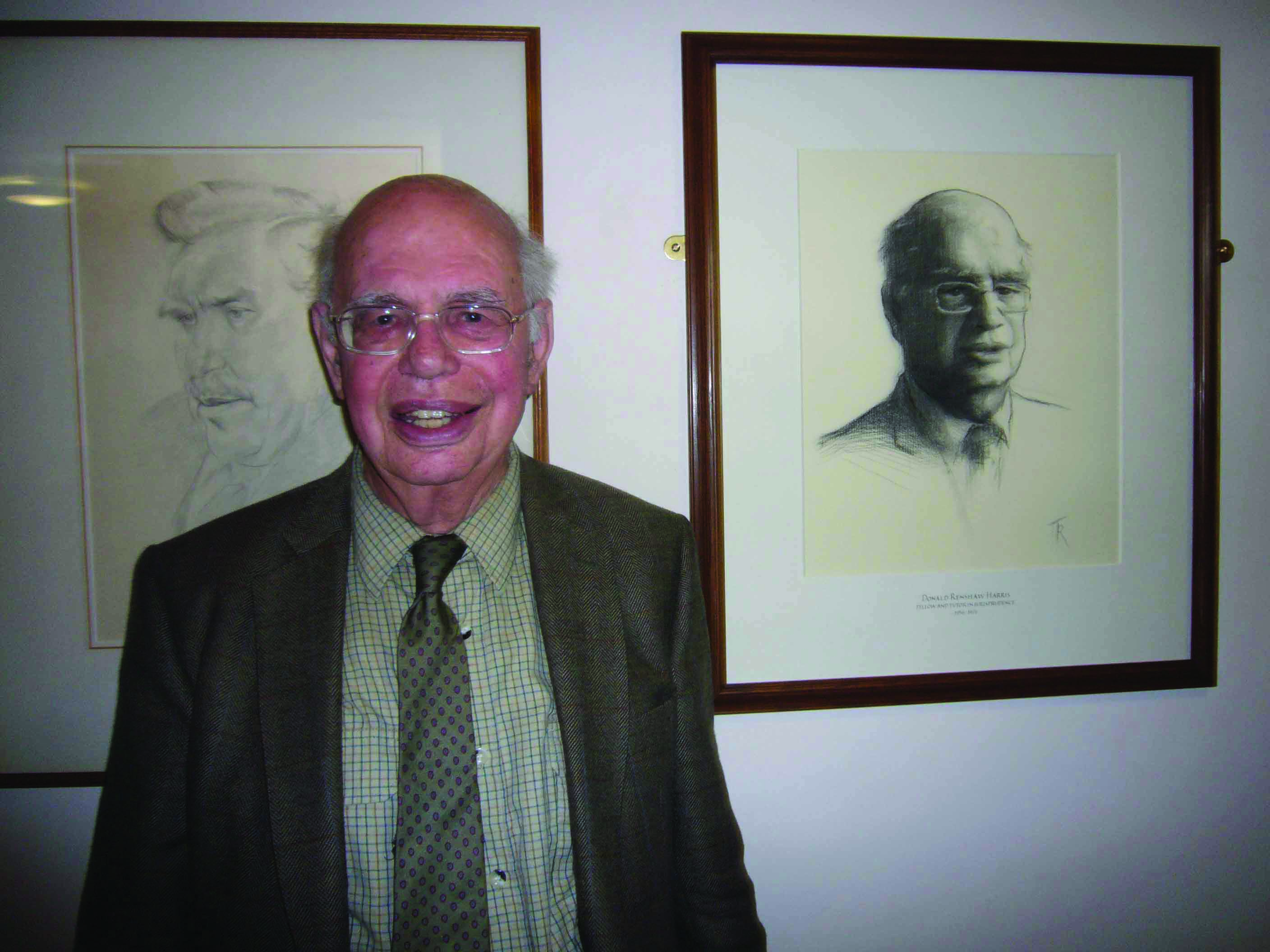
Don remained Director for 21 years from 1972 until he retired in 1993. He still rightly felt he had much to offer to the law, and, while continuing his editorships, he took up an advisory practice at the Bar, joining Littleton Chambers in 1993. Such was his great contribution to the law that, with the considerable support of the Senior Law Lord Lord Bingham, a great admirer, he was appointed an honorary Queen’s Counsel in 2001. A dinner was given in his honour in Balliol Hall in 2002, and after his final retirement a large group of his ex-pupils contributed to a portrait of him, painted by Tom Richards (of the Florence Academy of Art, son of one of Don’s Corpus pupils, Geoffrey), which hangs on the SCR staircase; more than fifty of us attended a lunch in 2014 to celebrate its hanging, with him and Jacqueline and Caroline.

But Don was not only a marvellously inspiring lawyer and tutor. He involved himself fully in the life of the College for many years. He was Senior Tutor from 1962 to 1966, and from 1967 to 1972 Estates Bursar, in which role he was, perhaps hyperbolically, credited in a speech by the then Master for raising, with his team, more money for Balliol during his term of office than any single donor had given over the centuries; and for a time acted as Tutor for Admissions. It was in the latter capacity, he could be persuaded to admit, that he had rejected applications to Balliol from both Bill Clinton and Tony Blair (while accepting his elder brother Bill, later a High Court Judge). Tony Blair as Prime Minister jokingly forgave him! Don also involved himself in the lives of his undergraduates. At the time of the student sit-ins in 1969 he vigorously (and successfully) represented those of his tutees who found themselves up before the Proctors. Paul Davies, one of Don’s pupils, as well as, later, his successor, recalls that he took up the case of one of his undergraduates, who was caught by a scout with a woman in his room, in those long ago days when this was a heinous offence against the College rules: his successful defence on the boy’s behalf was that (even though she had probably been there overnight) they were only discovered during visiting hours, and the rules did not specify the state of dress for hosts or guests during such hours! 

For more than 25 years Don was a visiting professor at universities in New Zealand, Canada, Japan, Australia and the United States. Other activities included chairing the ethics committee at Broadmoor, a post he very much enjoyed, and chairing the Balliol Educational Trust, which is responsible for giving educational grants to children of deceased or impoverished Balliol men and women. Don suggested that I joined the Committee of Trustees, and we had a good deal not only of very rewarding sponsorship of the young but also fun. I remember we had an application for funding from Howard Marks (1964), incarcerated in a US jail, regretfully unsuccessful. A successful application was made by the family of the late former Attorney-General of an East African country, who had been a Visiting Fellow at Balliol for one term, and who had, I recounted to the Trustees, at an extremely inebriated Younger Society Dinner appointed Trevor Milne-Day (1966) and Bill Elland (1966) to high office in their Army and me as Admiral of the Fleet of their Navy (sadly non-existent, as the country is landlocked): Don as Chairman reckoned that that should justify a grant to his children.


A collection of essays was published by Clarendon Press in 1997 to mark Don’s retirement from the Centre for Socio-Legal Studies, with contributions in his honour from many illustrious colleagues. It was entitled The Human Face of Law. This was very apt, not only because it chimed with his approach to the law, but because he was a man of great humanity. He had a very real Christian faith that was central to his life, attending the Evenlode Vale Churches, close to his home in Kingham, Oxfordshire, to which he and Jacqueline moved from Oxford in 1982, living, and entertaining friends, for many years in the original Old Rectory, until downsizing in the last few years. He was a man of incredible warmth, relaxing happily not only with his own children, with his grandson, Christopher’s son, who visited regularly from abroad, and with his ever-growing family of four great-grandchildren, but also with many others. He loved sailing with his family and friends in North Wales, and he was an enthusiastic gardener. He and Jacqueline were like surrogate grandparents to my own children, who loved him, and we spent many days sightseeing together with Don and Jacqueline round the Cotswolds; then more recently they had my grandchildren to stay in Kingham, and he set up for them, with enormous enthusiasm, his impressive old model train set. He kept in touch with many of his other pupils too, and we all admired him. His last years were quieter, after a series of strokes, when he was looked after by Jacqueline and Caroline, assisted by carers, but he still very much enjoyed a visit from an old pupil. He died in Oxford on 10 August 2020, aged 92. 

A man of great integrity, wise and generous, Don never sought recognition, but his Centre at Oxford, and above all his countless pupils, whom he imbued with his own sense of responsibility and decency, and who have themselves achieved a great deal in all areas of the law, are his legacy. 

Linda Mulcahy, Professor of Socio-Legal Studies and Director of the Centre for Socio-Legal Studies 

Don was a specialist in the law of contract and tort and had a particular interest in remedies and the day-to-day reality of contractual relations. He had an impressive academic career as a Tutorial Fellow at Balliol and taught contract and tort on the BCL for many years. 

Don played a central role in establishing the Centre for Socio-Legal Studies at Oxford in 1972 and was its Director for 21 years. This placed him at the forefront of the move in legal scholarship from traditional black-letter approaches to one supplemented by a socio-legal perspective, making use of the insights of the social sciences in the study of law and legal phenomena. It is no exaggeration to say that in his time at the Centre Don made the most important contribution of the era to securing the institutional foundations of socio-legal studies in the UK through the research conducted at the Centre, and the staff and research students brought there to be schooled in multidisciplinary analysis of law, its institutions, its processes and impact. 

He had an enormous capacity for hard work, though it was through the force of his personality that Don made the Centre an exciting and pleasant place in which to work and created a strong sense of collective effort and community. His former colleagues remember him most for his personal qualities, his sheer humanity and decency, his modesty and willingness to forsake any kind of personal recognition, his optimism, sense of fun and, not least, his shining integrity. It is fashionable to think that leadership skills can be learnt but Don was a natural. He inspired enduring loyalty, respect and friendship in all those he worked with. 

He was instrumental in appointing and mentoring at least two generations of socio-legal scholars, many of whom became leaders in the field in the UK and abroad. Don also worked behind the scenes in setting up and nurturing the Socio-Legal Studies Association. His legacy continues to be enjoyed by socio-legal scholars across the world. 

Grant Lamond (Frankfurter Fellow and Tutor in Law) 

Don Harris was a major figure in the College, the Law Faculty, and especially in the Centre for Socio-Legal Studies, which he was instrumental in setting up and oversaw as its first Director. I arrived in Oxford as a graduate student many years after he had ceased being a Tutorial Fellow at Balliol, but I had the good fortune to be taught by him on the BCL course ‘Remedies in Contract and Tort’. The course itself was inspired by the thought that remedies are so often the poor relation in the teaching of law subjects. The focus of most courses is the substantive law which establishes the rights and liabilities of the parties. Remedies, though admittedly important, are generally given a somewhat cursory treatment at the end of a course. Yet from a practical point of view – and indeed from the point of view of the history of the common law itself – remedies are primary. Litigants want to know what the law will do to help them: whether, for instance, it will restore their property, compensate them for their losses, or enable them to challenge a decision. I recall being struck at the time, amongst many other things, by the significance of actions in debt and the various forms of self-help. 

But Don’s teaching went beyond the doctrinal details of the various responses to wrongs. He introduced us to ideas from the economic analysis of law as ways of understanding what the law might be aiming to achieve in sometimes preferring damages to enforcement, or vice versa. Don was not an adherent to the economic analysis of law. Instead, he saw it as one amongst many perspectives for thinking about the law, and was keen that we had it in our toolkit for analysis. His teaching on the ‘Remedies’ course exemplified Don’s great virtues. He was inquisitive and open-minded, always interested in new ideas and what they could deliver. He was both enthusiastic and even tempered: he wanted to open our eyes to the potential value of economic analysis, whilst also casting a sceptical eye over its more ambitious claims to be the sole basis for understanding common law doctrines. So I have many happy memories of Don’s teaching on the course. 

A decade later, when I became a Tutorial Fellow at Balliol and Don was retired, our paths would occasionally cross at dinners and in the SCR. It was very welcome to see Don honoured with a dinner in Hall in 2002 in recognition of all he had done for the College and Faculty over the years. And it was typical of Don’s thoughtfulness to send me a copy of the second edition of his book Remedies in Contract and Tort when it appeared in 2002. More recently, when he was downsizing, he generously offered the Law Fellows and the College many of the books from his academic library. 

In all my dealings with Don over the years I was struck by his openness, his modesty, and his easy charm. He valued every aspect of academic life, and contributed keenly and successfully to them all. But it was clear that what he valued most in academic life was engaging with other people, and both sharing his understanding with them and being willing to learn from them. In this and in so many other ways he was an inspiring scholar and teacher.

Photo: Don Harris with his portrait by Tom Richards at the unveiling in 2014. Photograph by Vivian Bone.

Professor Malcolm Green FRS

Septcentenary Fellow and Tutor in Inorganic Chemistry 1963–1989 and Emeritus Fellow from 1991
16 April 1936 — 24 July 2020

Professor Geoff Cloke (1971 and Junior Research Fellow 1979) 
Andrea Sella (1986)

Malcolm GreenMalcolm Green was a larger-than-life chemist who burst on to the Balliol scene in 1963, having been elected as Septecentenary Fellow and Tutor in Inorganic Chemistry at the comparatively young age of 27. He graduated from Acton Technical College (where, he used to proudly say, he hadn’t graduated with a First) but Malcolm’s love of organometallic chemistry began when he joined the research group of Geoffrey Wilkinson at Imperial College as a PhD student. Wilkinson had recently returned from Harvard, where, in parallel with R.B. Woodward, he established the ‘sandwich’ structure of ferrocene, two parallel ‘slices’ of cyclopentadiene (a five-membered organic ring) held together by an atom of iron. Malcolm prepared molybdenum, tungsten, and rhenium analogues before setting out on his own at Cambridge as a Research Fellow at Corpus Christi College, where the brilliant polymath Christopher Longuet-Higgins (1941) was a Fellow. Malcolm’s three years in Cambridge were extraordinarily productive and he established his reputation for creativity, churning out molecules with unusual structures. He also developed a reputation as something of a wild man. Hugely extrovert, with an unfiltered passion for his subject, he would bring samples to his lectures to show to his students.

When Malcom started at Balliol, he lived in College and had a set at the top of Staircase XXI. His rooms were dominated by a large obviously homemade model of ferrocene, and were somewhat chaotic – a feature he put to good use when explaining the concept of entropy to first-year students. As a tutor, Malcom was unconventional, but inspirational. He would usually arrive late for tutorials, having rushed to College straight from the lab, and immediately tell us about his latest discovery before moving slightly reluctantly on to drier subjects such as the radius ratio rules or the Kapustinskii equation. Our weekly essays were returned eventually, occasionally bath-damaged and always covered in Malcolm’s mostly illegible scrawl, with a rather impenetrable grading based on the Greek alphabet. This was of course before the days of written student ‘feedback’, but it didn’t matter to us. What did matter was Malcolm’s obvious passion and enthusiasm for the subject. It would be fair to say that Malcolm didn’t really play an active role in College admin, although he was (and he would say this with a glint in his eye) ‘Tutor for Married Graduates’ and, significantly, an enthusiastic and proactive member of the small committee that led to Holywell Manor becoming Balliol’s hub and community for postgraduates.

Malcolm’s lectures to undergraduates, given in often dishevelled but wildly enthusiastic fashion without notes, and his conference contributions, both intellectual and social, would become the stuff of legend. Malcolm was the epitome of the ‘work hard, play hard’ mentality. The sense of his mastery of his subject was enhanced by the fact that he peppered his lectures with molecules whose properties came to life so vividly as to almost have personalities. 

This extraordinary familiarity with the organometallic world came from a set of mental pictures that helped him to ‘see’ what was normal and humdrum as opposed to where the real action was. He would often joke that ‘to a first approximation all transition metals are the same’ while at the same time having an instinctive and nuanced sense of the differences between them. In the late 1970s, working with his wife Jenny, who provided the theoretical rigour, Malcolm developed these mental pictures into a formal scheme that came to be known as MLX or CBC (Covalent Bond Classification). By classifying the groups of atoms (ligands) attached to a metal and considering how many electrons were associated with it, the MLX scheme generated a map that summarised the behaviour of each metal. Suddenly one had a visual representation of what chemistry was common and what was unusual, rather than a dry list; Malcolm’s heuristics were now available to all. The scheme was first presented in a series of lectures while he was on sabbatical in Paris in 1972 and subsequently at Harvard in 1973. Further refinements benefited from collaboration with Ged Parkin, a former student and now a Professor at Columbia. The method has been adopted in undergraduate teaching because of its simplicity and internal consistency, as well as its ability to make sense of some very varied chemical terrain. 

With Steve Davies and Mike Mingos, Malcolm also developed a set of, today eponymous, rules that help chemists predict the position at which certain chemical reagents will attack rings or chains of carbon bound to a transition metal. These foundational ideas are today in every textbook and lie at the heart of the use of transition metals in organic synthesis, with huge implications for pharmaceuticals and drug synthesis.

Malcolm’s early fascination with organometallic sandwich compounds increased apace when he moved to Oxford, where he made molecules with a variety of ring sizes and developed their reactivity. Chemical synthesis of this kind is typically conducted in a series of steps where the groups of atoms surrounding a metal atom (the ligands) are added, replaced, or modified sequentially to arrive at the desired final product. In 1970, Peter Timms from Bristol gave a lecture in Oxford where he described a new way of making organometallics. Timms’ idea was to vaporise metals into highly reactive individual atoms and then to let these strike the walls of a flask cooled to the temperature of liquid nitrogen (approx. –200 ˚C) together with another substance. Thus, the synthesis of a sandwich compound of chromium and benzene would simply involve firing atoms of chromium into an ‘ice’ made of frozen benzene. It was like having delicate tweezers that allowed you to pick up an atom and slip it between rings of carbon. 

Malcolm immediately saw this as a way of making hitherto inaccessible sandwich complexes of highly refractory metals like tungsten and tantalum. This was not going to be easy, since vaporising those metals (once used for the filaments of incandescent light bulbs) requires temperatures in excess of 3000 ˚C. He sought the advice of his physical chemistry colleague at Balliol, David Turner (Emeritus Fellow), who pointed him in the direction of a company called G.V. Planar, who provided him with an electron beam furnace. This marked the beginning of a long and succesful collaboration; the company funded several DPhil students in Malcolm’s group (including one of the authors) to develop and scale up the technique, and subsequently sold several metal vapour synthesis (MVS) machines worldwide based on Oxford designs. 

The experiments were spectacular to watch. A huge bell-jar almost 2 feet across was surrounded by a cylindrical tank filled with liquid nitrogen and then evacuated to ultra-low vacuum. Once the walls were sufficiently cold the molecular ‘bread’ was sprayed on to the walls and the power was turned up on the furnace. A blinding white glow from the incandescent metal bead was projected on to the ceiling of the lab through a frothing lake of liquid nitrogen. The light would slowly change to yellow, orange and red, like a sunset, as the frozen chemical matrix built up. This was often the moment for Malcolm to appear with a visitor to show off his pride and joy. No visitor left disappointed. 

For all its macho extremism, MVS would prove an unusually delicate synthetic technique that uncovered a vast menagerie of new molecules, each of which could then be reacted in myriad ways. The vast majority of these molecules some were even capable of attacking the normally inert dinitrogen, N2. This work took Malcolm in a very different direction from that of ‘rival’ research groups in Britain (vide infra). Many of the DPhil. theses from Malcolm’s group can be summarised with schemes looking like a hub with spokes: at the centre, a single highly unusual MVS product, and radiating arrows pointing to the myriad products obtained with anything and everything that could be found in the group’s chemical store room. With exploratory work like this, surprises were never far away. 

Inevitably, Malcolm’s research touched on one of the great chemical challenges of the 1980s, the breaking of C–H bonds, known in the field as C–H activation. Until then, the alkanes, the saturated hydrocarbons that make up the bulk of crude petroleum, were an unloved backwater of organic chemistry. Their high symmetry and uniform charge distribution gave the arsenal of the organic chemist little purchase on these molecules. Selective transformative chemistry was rare outside the industrial cracking processes that underpin the petrochemicals industry. Seen as rather dull, these alkanes could either be used as solvents, or they could be burned destructively as fuel. It was a challenge hiding in plain sight. 

In the 1960s, there had begun to be hints that C–H bonds could be attacked selectively using transition metal compounds, especially when these were ‘electron rich’. Thus, Malcolm’s avoidance of the classical carbon monoxide ligand, favoured by research groups in Bristol and Cambridge, opened new opportunities; Malcolm and his students pushed the limits of electron richness as far as they could. In doing so, numerous surprises came to light. Handling such species was not for the faint-hearted, and required exceptional technical skills along with a robust attitude to risk. After one fire in the lab, one of the firemen leaving the site was overheard to mutter ‘Malcolm Green. Explosion machine.’ 

The group not only uncovered many examples of this C–H activation, but they also isolated examples of a class of molecules in which a C–H bond seemed to sit in a kind of suspended animation, close to the metal but without actually being split. With academic visitor Maurice Brookhart, Malcolm identified the molecules as key evidence to account for how C–H bonds were broken by metal centres. His Balliol colleague Jasper Griffin (1956, Dyson Junior Research Fellow 1961–1963, Tutorial Fellow in Classics 1963–2004) (who, echoing Flanders and Swann, immediately christened Malcolm the ‘the Gas Fellow’ when he was awarded a prestigious Royal Society British Gas Fellowship in 1979) suggested the Homeric word ‘agostic’ to describe these interactions. The term stuck, much to the disgust of Malcolm’s highly competitive American contemporary F. Albert Cotton (ironically Geoffrey Wilkinson’s first American PhD student), who believed that he, and he alone, should be credited with the discovery. Malcolm just ignored Cotton. Despite continuing rear-guard action by autocorrect software, the word ‘agostic’ is now in the Oxford English dictionary. Malcolm and Brookhart proposed that agostics might play a key role in catalysis, especially the mechanism of the spectacularly efficient Ziegler-Natta catalysts that assemble the plastics polythene and polypropylene that we take for granted in our lives; in their view delicate agostic interactions might help control the orientation of incoming substrate/monomer molecules and control the growing chain of polymer. The proposal would inspire a number of exquisitely elegant experiments conducted by several of Malcolm’s old friends and collaborators that gave the ideas ample support. 

Malcolm ran a large research group, which at its height, in the 1980s, comprised around 30 students, typically three or four undergraduate ‘Part IIs’, 15–20 postgrads, three or four postdocs and a handful of academic visitors. The topics explored were often very varied, with students having considerable freedom to explore their own ideas. Students were assigned a bench in the labs on the north side of fourth floor of the Inorganic Chemistry Lab (ICL), each equipped with a standardised vacuum line and a set of drawers in which the day-to-day equipment such as clips, clamps, valves, stopcocks, stoppers, rubber bands and the like was organised using the remains of plastic chemicals jars, rinsed out and cut in half. There were few fume hoods, so students worked on the open bench except for unusually large-scale or exceptionally smelly reactions. 

At the start of the academic year there would be a general clean-up and tidying of the lab, a useful exercise to orient new arrivals who might find themselves helping to catalogue the group’s chemical store (a dark and horribly smelly Aladdin’s cave of more and less useful chemicals). They would them be asked to conduct large-scale ‘preps’ of key starting materials, an unforgettable, multi day baptism of fire overseen by more experienced students (the ‘old lags’). For example, the preparation of the diphosphine ‘dmpe-tetrachloride’ took place in an ancient, Baskerville autoclave starting with tens of grams of white phosphorus, several hundred mls of the highly corrosive PCl3 and ‘a handful of iron nails’, the brew pressurised with ethylene and heated to 150˚C. The fire when the reaction vessel was rinsed out usually attracted a small but excitable crowd of voyeurs. The preparation of Malcolm’s favourite compound from his PhD, Cp2 WH2 started with a pair of 3-litre flasks sitting side-by-side in a baby bath filled with crushed ice, stirred energetically with a pair of mechanical stirrers. The student added finely ground starting materials from two other flasks through wide-bore plastic hoses while Malcolm stood not far away poking steel needles through the hoses to keep the powder from clogging. 

Malcolm was a hands-on kind of supervisor who would typically emerge from his small and cluttered office at the far end of the hallway; reading glasses perched on top of his head and his pipe clamped between his teeth, he would come through the labs in the late afternoon each day cheerily asking ‘What’s new?’ For students, these visitations could be moments of amusement or dread, as Malcolm might well take over whatever they were doing – part of a synthesis or a solvent evaporation – sometimes using his cigarette lighter to assist things. The results could be mixed. On his retirement in 2003, former students assembled ‘Chairman Malcolm’s Little Green Book’, a collection of hilarious (and sometimes terrifying) reminiscences of some of the highlights of their time in the lab. 

Thursday evenings were reserved for the group meeting in the Abbot’s Kitchen, where a couple of students would report on their latest results or on an interesting recent paper they had found in the literature. For some this was terrifying, as they might not have much to report (synthetic chemistry can be brutally frustrating). And also because there might be questions, both from Malcolm and Jenny and from other members of the group who might chip in with ideas. These meetings would then transfer seamlessly to the King’s Arms, where ideas would continue to be sketched out on beermats; Malcolm was never short of an idea or three. While some ideas did not survive scrutiny in the cold light of the morning, others would be filed away for a Friday afternoon experiment. Eventually, and somewhat reluctantly, Malcolm would have to leave the KA to return home (which was a College house just round the corner in St Cross Road, next door to John Jones (1961 and Emeritus Fellow) and Maurice Keen (1954 and Fellow and Tutor in Modern History 1961–2000, Emeritus Fellow 2000–2012) and their families), but not before he had left a generous wad of cash on the table to encourage the festivities to continue. Friday mornings were typically rather subdued. 

In 1985 Malcolm was elected Fellow of the Royal Society. Asked by a student whether he would therefore be joining the Athenaeum Club next door, he replied, ‘Don’t be silly. I’m buggered if I’m going to pay £1,500 a year for the privilege of drinking at £4 a pint with some old bishops.’ It was pure Malcolm. In 1989 he succeeded the solid-state chemist (and later Nobel Prize winner) John Goodenough as head of the Inorganic Chemistry Lab (ICL). The position being linked to St Catherine’s College, he had to resign from his Tutorial Fellowship at Balliol and therefore move out of St Cross Road to a new house in North Oxford, which two of his students helped to refurbish in exchange for free lodgings for a couple of years. For Malcolm it was something of a wrench, because of his deep affection for Balliol, where most of his students continued to be based; he was delighted to be elected an Emeritus Fellow in 1991 and regularly took his lunch in the SCR, so in a sense he never really left. 

His tenure as head was not always easy given the very high profile and strong personalities of some of his colleagues. A key challenge was to ensure that the ICL maintained a broad portfolio of scientific interests and remained well funded. He also had to contend with the heads of the other chemistry labs, including Jack Baldwin (whom Malcolm nicknamed ‘the suburban barracuda’ on account of his unfortunate lack of hair and his approach to both science and University politics) of the Dyson Perrins Lab with whom he had cordial, but testy, relations. Malcolm’s students were largely oblivious to this, apart from a reduction in the frequency of his visits to the lab now that his office was two floors below. But in spite of his administrative duties, constant proposal-writing to maintain funding from both research councils and industrial sponsors, and a punishing schedule of travel to speak at other institutions and conferences, he always found time to talk to his students, helping to raise flagging morale here or giving chemical tips there. Overseas visitors received a copy of George Mikes’ How to be an Alien to help them settle into the sometimes arcane Oxford world, and he never missed a group meeting. 

During this period Malcolm’s research interests began to diversify away from classical organometallic with increasing forays into solid state chemistry and heterogeneous catalysis. There was a successful spin-out company Oxford Catalysts (today Velocys) devoted to Fischer-Tropsch routes to sustainable fuels, and whose shares are traded on the AIM market. The discovery of buckminsterfullerene (C60) and then carbon nanotubes led to the conversion of the MVS machines into nanotube factories and an interest in finding ways to use the nanotubes like miniature test tubes. Malcolm and his students devised simple ways of opening the ends of the tubes using first nitric acid and later hot steam. When molten metals failed to fill the tube, they turned to salts. This proved a new and extremely fertile field where twisting ribbons of sodium chloride and other salts could be observed to be confined inside the tubes using electron microscopy. He also devoted a growing amount of his time to thinking about writing about his CBC bonding methods and related issues at the interface of theory and education. 

Shortly after arriving in Oxford, Malcolm met Jennifer Bilham, who was a chemistry postgraduate student working with Jack Linnett and then Peter Atkins. They were married in 1965 and the reception was held in Balliol. Jenny, relaxed and down-to-earth where Malcolm was extrovert and dramatic, went on to become a distinguished academic in her own right, an outstanding theoretician who, in addition to her own interests, used spectroscopic and computational tools to unravel the detailed electronic structure of compounds, including some made in Malcolm’s group. When answering subtle bonding questions at conferences, Malcolm would often reply, ‘I think you’d better ask my wife about that.’ 

Alongside chemistry, Jenny and his children were the loves of his life. He was very proud of their three children, Sophie, Russell, and Matthew, who have all gone on to have successful careers, outside academia, let alone chemistry. In case it has not already become clear, Malcolm was a man of tremendous energy. In 1974 he and Jenny bought a derelict farm in Great Wolford in the Cotswolds which they spent the next decade restoring to its current magnificent state. Malcolm did a lot of this with his own hands at weekends, meticulously reconstructing the parquet floor in one room using wood recovered after flood damage in the ICL. Malcolm and Jenny were also enthusiastically assisted by willing (we’ve checked!) graduate students who were rewarded for their efforts with beer and food at the local pub. 

Malcolm Green left an indelible and unique imprint on inorganic chemistry. But equally important is his legacy in people. Over 100 of his students and collaborators have become academics; at least a third of these are in the UK. The same number have gone into industry and other walks of life. Rather than simply following directly in his footsteps many have veered into an extraordinarily broad and varied range of original topics, a sign of the can-do attitude that Malcolm instilled in everyone around him. On the occasion of his 80th birthday, a dinner at Balliol attracted almost 200 chemical friends and alumni from across the world. When the pandemic subsides, we suspect Malcolm would want us to gather again, to eat, drink and scrawl over beer mats and to let the ideas flow.


The Right Hon Lord Hutton PC

1950, BA Jurisprudence and Honorary Fellow from 1988
29 June 1931 — 14 July 2020

Robert Reed (1978 and Visitor)

The Right Hon Lord HuttonIt is a sad irony that Brian Hutton, who was held in the highest regard by his fellow judges for his courage and integrity, should be best known to the general public through the media coverage of his report on the David Kelly affair, which was widely dismissed as a whitewash. That verdict should not be the last word on an eminent judge and barrister, much of whose career was dedicated to public service.

Brian was born in Belfast in 1931, and won a scholarship to Shrewsbury. From there he progressed to Balliol in 1950. He thrived under the tuition of Theo Tyler (1918 and Fellow and Tutor in Jurisprudence 1927–1967), and graduated in 1953 with a First in Jurisprudence and the Jenkyns Law Prize. After further studies at Queen’s University, Belfast, he was called to the Northern Irish Bar.

He had a successful career as a barrister, and was involved in several of the causes célèbres of the time. In 1969 he successfully prosecuted Bernadette Devlin, the then MP for Mid-Ulster, on charges of incitement to riot, arising out of disturbances in the Bogside. In 1972 he represented the Ministry of Defence at the inquest into the deaths of those killed on Bloody Sunday. After the jury returned an open verdict, the coroner described the deaths, notwithstanding the verdict, as ‘sheer unadulterated murder’. Brian quite rightly rebuked him on the spot. He went on to represent the British Government in the case brought by Ireland against the UK in the European Court of Human Rights, concerning the ill-treatment of IRA suspects. 

In 1979 he accepted appointment as a High Court judge, and in 1988 he went on to become the Lord Chief Justice of Northern Ireland, arguably the most difficult judicial position in the UK at that time. In that capacity, he led the judiciary in Northern Ireland at a time of great peril. Judges were IRA targets, and five of Brian’s colleagues were killed, in some cases along with members of their families. I remember a moving speech which he gave at the opening of the legal year in Belfast, remembering those who had lost their lives, and recognising the courage which they had shown in serving their community. No one, however, showed more courage than he did himself, in leading Northern Ireland’s judiciary through some of the worst years of the Troubles. 

One consequence of the constant danger was that judges and their families had to live under conditions of oppressive security, with their homes patrolled day and night by armed police officers, and with further armed officers in the cars in which they travelled. Brian eventually sent his family to live in Scotland while he remained in Northern Ireland, after his name, address and car registration number were found on an IRA list of targets. 

Notwithstanding that he was a prime IRA target, Brian was generally regarded within the legal profession as scrupulously fair when hearing cases involving alleged terrorists. It was one of his decisions which led to the establishment of the ‘shoot to kill’ inquiry, conducted by John Stalker. Another decision which did not endear him to loyalists, the RUC or the army was his dismissal of Private Lee Clegg’s appeal against his conviction for murder, after shooting two teenagers joyriding in West Belfast (a conviction which was later overturned following a second appeal). 

In 1997 Brian was appointed as a Lord of Appeal in Ordinary, that is to say a Law Lord serving on the Appellate Committee of the House of Lords. During the following seven years Brian took part in 160 appeal hearings and delivered judgments in 74 of them, dissenting in seven. He gave the sole judgment in six cases, all criminal appeals (an area in which he and the Scottish judges had much greater experience than their English colleagues). Somewhat characteristically, he favoured the defendant in three of those cases, and the prosecution in the other three. In the former category, he favoured wide disclosure of information by the prosecution (Mills and Poole), prevented the use of a production order power for secondary purposes (Ex parte Bowles), and upheld the availability of the defence of diminished responsibility to an accused who might have been drunk (Dietschmann). In the latter category, he held that the police do not have to ask a driver if there are any non-medical reasons why a specimen of blood should not be taken (Jackson), that a person who has been declared unfit to plead on the ground of insanity cannot then rely upon the concept of diminished responsibility at the hearing into whether he did the prohibited act (Antoine), and that overt possession of a weapon can constitute a threat of violence even though it has not been brandished in a violent manner ((I v DPP). 

The cases where he dissented form an interesting group. In one, he was not prepared to hold that a person’s homosexual partner could be regarded as a member of his family within the meaning of legislation concerned with succession to a tenancy (Fitzpatrick). In another, he considered that the Human Rights Act should not be interpreted as applying to convictions secured before it came into force (Kansal). In another, he would have held that the initial elections of the First Minister in Northern Ireland and his Deputy were invalid because of a failure to comply with statutory time limits (Robinson). In another, he would have awarded full damages to a woman who gave birth following a botched sterilisation procedure, rather than holding as a matter of public policy that damages should not be awarded for the birth of a healthy child (Rees). 

The case in which he sat which was best known to the general public was that concerning the extradition of General Pinochet, the former Chilean head of state, who was at the time on a visit to London. The main issue in the case was whether he was immune from arrest and extradition proceedings in respect of acts of torture committed while he was head of state, on the grounds of state immunity. The House of Lords initially decided, by a majority of three to two, that there was no immunity, and that he should be extradited. Brian did not take part in that decision. It then emerged that one of the judges in the majority was an unpaid director and chairman of a charity controlled by Amnesty International, which had taken part in the hearing. Following a second hearing, in which Brian sat, it was decided that the first decision should be set aside in the light of the links between the judge and Amnesty International, and that the case should be re-heard. Following the re-hearing before an enlarged committee including Brian, it was held that the immunity conferred on former heads of state in respect of acts done in their official capacity did not extend to acts of torture, and that the general should therefore be extradited to face proceedings for those offences. 

Brian was considered to be cautious in his approach to judicial work, but that did not go amiss in a court which included some notably adventurous colleagues. As his dissenting judgments illustrate, he was inclined towards a strict application of the law, whether the result might be regarded as conservative (as in Fitzpatrick) or liberal (as in Rees), rather than a looser approach based on judicial views of public policy.

He found himself at the eye of a media storm following events in 2003. In May of that year the BBC reported that the Blair Government had ‘sexed up’ the information provided to it by the intelligence services when preparing a dossier on Iraq’s capacity to deploy weapons of mass destruction. The dossier had been used by the Government to justify its decision to go to war in Iraq earlier that year. The Government angrily denounced the reports and accused the BBC of poor journalism. Following weeks of intense media speculation, newspapers finally identified Dr David Kelly, a biological weapons expert employed by the Ministry of Defence, as the source of the BBC’s story. Eight days later, Dr Kelly was found dead near his home. The Government announced an inquiry the following day into the circumstances surrounding his death, and Brian agreed to chair it. 

The inquiry opened in August 2003 and was conducted with notable transparency and efficiency, reporting in January 2004. It concluded that Dr Kelly had committed suicide, that the BBC’s original accusation was unfounded, that the BBC’s editorial and management processes were defective, that the Ministry of Defence had been at fault for not informing Dr Kelly that it would confirm his name if a journalist suggested it, but that nobody could have anticipated that Dr Kelly would take his own life. The criticism of the BBC’s journalism was unsurprising, in view of the evidence before the inquiry, but the report exonerated the Government more completely than had been expected. In particular, the Government was exonerated over the contents of the dossier largely because they reflected the intelligence assessments provided to it. Although there was evidence indicating that those assessments were defective, Brian decided that the question whether there had been shortcomings in their preparation fell outside the remit of the inquiry (‘the circumstances surrounding the death of Dr Kelly’). 

The report led to the resignations of the chairman and director-general of the BBC, and of the BBC journalist who had broken the story. It was, however, strongly criticised by sections of the media as a whitewash. Although it reflected the evidence on the central questions of the alleged ‘sexing up’ of the dossier, the BBC’s reporting of the story, and the issues concerning the naming of Dr Kelly, it was treated with scorn. The criticisms were fuelled to some extent by Brian’s moderate use of language, which was interpreted as mealy-mouthed, and by his decision to treat the work of the intelligence services as falling outside his remit. 

There were, however, exceptions to the general cynicism. The Economist, in an editorial, criticised the BBC for a report that was ‘typical of much of modern British journalism, twisting or falsifying the supposed news to fit a journalist’s opinion about where the truth really lies. Some in the British media have described such journalism as “brave”. Sloppy or biased would be better words.’ The Financial Times, in an article written by its editor Andrew Gowers, described this ‘dreadful misadventure’ as a wake-up call for British journalism, and said that it ‘should prompt us to resist the easy, superficial certainties of parti pris opinion and rediscover the virtues of accuracy, context and verification’. 

The comments of Martin Kettle (1967), writing in the Guardian, were balanced and perceptive: 

Too many newspapers invested too heavily in a particular preferred outcome on these key points. They wanted the government found guilty on the dossier and on the naming, and they wanted Gilligan’s reporting vindicated. When Hutton drew opposite conclusions, they damned his findings as perverse and his report as a whitewash. But the report’s weakness was its narrowness, and to some extent its unworldliness, not the accuracy of its verdicts. 

Brian himself, speaking in November 2006, showed a wry appreciation of his position: 

I knew that if I delivered a report concluding that the government had deliberately misled the country about the existence of weapons of mass destruction in Iraq and had acted towards Dr Kelly in a dishonourable and underhand way, I would be acclaimed in many sections of the media as a fearless and independent judge. I also knew that if I did not come to such findings it was probable that my report would be subjected to considerable criticism. 

Considering the matter in a wider perspective, it might be said that if the media reaction to the report reflected the cynical and contemptuous attitudes of some journalists towards politicians and judges alike, the revelations of the inquiry about the case for joining the US-led invasion of Iraq (later investigated more fully by the Chilcot Inquiry) were another factor which contributed to a growing level of distrust in political institutions on the part of the general public. 

In private, Brian had a keen sense of humour, and I remember him being in convulsions of laughter as he struggled to reach the punchline of an anecdote. He would have enjoyed a story in which he featured alongside two other leading judges. In 1996 and 1997 Balliol had the rare distinction of having provided the current chief justices of all three of the UK’s jurisdictions: Tom Bingham (1954, Visitor 1986–2010 and Honorary Fellow 1989–2010) in England and Wales, Alan Rodger (1969, Junior Research Fellow in Law 1969-1970, Visitor 2010–2011 and Honorary Fellow 2000–2011) in Scotland, and Brian Hutton in Northern Ireland. This was commemorated by a photograph of the three of them together, taken after a College dinner. The photograph, which was hung on the SCR staircase, shows the three men standing together with an antique clock behind them. Some time later, the clock was stolen, and the police were called in to investigate. ‘And who’, the senior officer asked in a tone of suspicion, ‘might these three gentlemen be?’

Professor Oladipo Akinkugbe CON

1962, DPhil Physiology, Visiting Fellow 1981–1982 and Honorary Fellow from 2009
17 July 1933 — 16 June 2020

Denis Noble (Emeritus Fellow) 

Oladipo AkinkugbeOladipo Olujimi Akinkugbe, who passed away on 15 June 2020 at the age of 86, was already into his second year as a DPhil student under the Regius Professor of Medicine, Sir George Pickering FRS, when I arrived in the College as a Fellow and Tutor in Physiology in 1963. I remember him then as a quiet and conscientious student. He was researching one of Pickering’s major f ields, the causes of high blood pressure, specifically the role of a hormone, angiotensin, and the kidney in the regulation of blood pressure. This is an area of great clinical significance, since high blood pressure is a major cause of ill health worldwide. Oladipo Akinkugbe was to make this his major research focus for the rest of his life. At the age of 35, he became Professor of Medicine at Ibadan University, the first professor of medicine to be appointed at any African university. Hypertension was becoming increasingly important in Africa, largely because of changes in diet and lifestyle, particularly in the big cities. 

Oladipo rose quickly to national fame, soon becoming the Dean of Medicine at Ibadan in 1970. His international accolades include being Visiting Professor of Medicine at Harvard 1974–1975, Oxford 1981–1982, as a Visiting Fellow of Balliol, and Cape Town in 1994. He received the Searle Distinguished Research Award, and the Boehringer Ingelheim Award of the International Society of Hypertension. Further national and international honours include the Nigerian National Order of Merit and the Honour of being appointed Officier de l’Ordre National de la République de la Côte d’Ivoire. He became the Atobase of Ife (Physician to a Royal Household in Nigeria). 

He greatly enjoyed his year as a Visiting Fellow of the College, particularly the life of the SCR, and was always proud of his Balliol career and connections. 

I came to know him as a great colleague in international scientific and medical affairs when he was elected to the Council of the International Union of Physiological Sciences (IUPS) in 1993. In fact we both became members of Council in same year: I was appointed as Secretary-General of the Union at the same time. It was a difficult time for the International Union since four years previously the General Assembly had voted for the USSR to host the 1997 World Congress in what was then Leningrad. By the time we joined the Council, the Soviet Union no longer existed and, although we did not learn this crucial fact until much later, the Russian Academy of Sciences (successor to the Soviet Union Academy of Sciences) was effectively bankrupt and unable to honour the commitments of the former Soviet Academy. The Congress, held in the magnificent city that reverted to its old name of St Petersburg, was a scientific success, particularly for the besieged and poor Russian scientists. In the early years after the fall of the Soviet Union, the sciences fared very badly. World Congresses are the Olympics of scientific endeavour, and like the Olympics the host country underwrites the finance. But on this occasion, as a Union we took a big financial hit. Effectively we had to subsidise the Russian Congress to an unprecedented degree. This became the world’s contribution to scientists working in a then economically devastated nation. 

Oladipo, with his huge experience of Africa, knew well the difficulties of researchers working with very limited resources and was a colleague I could always rely on in dealing with the fallout from the St Petersburg Congress. Moreover, the Union has always been a great supporter of outreach work internationally and particularly in Africa, organising many educational workshops there. In 2016 I was honoured with being asked to be President of the Congress of the African Association of Physiological Sciences held in Lagos. Yet again, I was confronted with young scientists at an international Congress who were clearly managing with very few facilities and poor f inancial support. I knew Oladipo would have expected me to play the role of encouraging the young and for a year or two afterwards I mentored some of the research students. I got to know some of the young Nigerian medical scientists who would be following in Professor Akinkugbe’s footsteps. 

His legacy in Africa lies in the research and education that he fostered all through his life. In an interview with a Nigerian newspaper he championed education in a plea in which he argued that until the country has a well educated electorate, Nigeria will not experience good leadership. Outspoken as always, he went on: 

They are the ones to decide whether a leader is performing well or not after all, and whether to remove him as a result. That is the power of the masses, you see. The people must be educated to understand the power they possess. You will find that if you sat some members of the leadership down, and took them through major issues of the day, many would be found wanting in the real understanding of issues.’ 

In another interview he said, ‘As a medical man, I view corruption as cancerous, a kind of societal cancer. But as you know, as I also said at a time, the things that fuel corruption are the two extremes of poverty and greed.’ 

Balliol has lost a great and distinguished Honorary Fellow from Africa.

Photo: Professor Akinkugbe receiving his NHEA 2019 Lifetime Achievement Award from Noimot Salako-Oyedele, deputy governor of Ogun state, at the 6th Nigerian Healthcare Excellence Award. Photograph courtesy of the NHEA Award.

Professor Tom Arie

1952, Medicine
09 August 1933 — 24 May 2020

Sam Arie (1993) 

My father, Tom Arie, died on 24 May 2020, at the age of 86 and after fighting cancer for several years. 

At Balliol he was a broad contemporary of Maurice Keen (1954, Fellow and Tutor in Modern History 1961–2000), Tom Bingham (1954, Visitor 1986 2010 and Honorary Fellow 1989-2010), Jasper Griffin (1956, Dyson Junior Research Fellow 1961–1963, Tutorial Fellow in Classics 1963–2004) and others who later became towering Balliol figures. He was Secretary of the JCR and a classicist, but after a first in Mods, abruptly switched to medicine – something perhaps few would have attempted even then. In 1963, he married Eleanor, a medical student at Somerville, whose father Sir Robert Aitken, a New Zealander and a Rhodes Scholar, was at Balliol (1924), as were her brother (Peter Aitken, 1956, who died in 2018), uncle (Dan Aitken, 1926) and cousin (James Aitken, 1966) – so a large Balliol family, all told. 

My father went on to pursue a distinguished career in the NHS. He qualified in Oxford; trained in psychiatry at the Maudsley; took a first job in Social Medicine with Jerry Morris at the London Hospital; then in the 1970s took over the psychiatric service for older people at Goodmayes, a former Victorian mental hospital in East London. His success against the odds at Goodmayes became the platform for an international teaching career and a Foundation Professorship at the University of Nottingham, where he led the Department of Health Care of the Elderly for two decades. He retired in 1995, having made a huge personal contribution to the establishment of Old Age Psychiatry as a new medical specialty, within the NHS and internationally. 

My family and I are hugely proud of our Dad, who came to the UK from Prague, in August 1939, with his parents, and his wits about him, but little else. They were fleeing Nazi persecution on one of the last trains out of Central Europe before war began, and he must be one of the last few among us to have carried those memories with him through life. But in the end he left us with a moving letter titled ‘Counting Blessings’ in which he singled out his time at Balliol as a treasured experience in his life. 

A small Zoom funeral was held during the lockdown in May, and we plan a stone-setting ceremony in Oxford in 2021, if circumstances allow it.

Professor Stefano Zacchetti 

Yehan Numata Professor of Buddhist Studies and Professorial Fellow
29 April 2020

John-Paul Ghobrial (Associate Professor, Lucas Fellow and Tutor in History)

Stefano ZacchettiStefano Zacchetti died suddenly on 29 April 2020 at the age of 52. His passing came as an incredible shock to all those who had grown so fond of him during the eight years he spent at Balliol as the Numata Professor of Buddhist Studies. Long before coming to Oxford, Stefano achieved an international reputation as one of the world’s most distinguished scholars and teachers in the field of Buddhist Studies. His interests ranged widely across Buddhology, Sinology, the history of translation, the practice of philology, and textual hermeneutics. Behind all of this there lurked an enduring interest in the philological, textual, and linguistic practices through which the Buddhist tradition established itself in China. Stefano’s research on this subject was coloured by his distinct belief in the transformative and creative powers of translation. 

His scholarship was intensely personal. He had developed, for example, a consuming interest in the earliest Catholic missions to China and, in particular, in the Jesuit scholar Matteo Ricci, who was one of the first missionaries to travel to China. He was impressed by the sophisticated register of literary Chinese used by Ricci in his translations of canonical Christian works. This approach was, as Stefano would say, ‘not what the Buddhists did’. Instead, when Buddhism was rendered into Chinese, it was done in such a way as to make it clear to readers that the Buddhist canon had come to China as translations that had previously circulated in the Indic traditions. This method – using a 16th-century translation to understand the Buddhist tradition – was characteristic of the gusto with which he was prepared to go down rabbit holes he encountered during his studies, no matter where they led. 

That vividness of character was also central to his work as a teacher, especially in the energy he devoted to the consolidation of Buddhist Studies at Oxford. In his short time at Oxford, he breathed new life into the community of Buddhologists not only through formal coursework but also in reading groups, online seminars, and a form of sociability that edified and enlivened students and colleagues alike. In these exchanges, Stefano combined a seriousness of purpose with a reverence for the special conviviality of scholars who share mutual interests. 

Nor did he shy away from the range of responsibilities associated with membership of this scholarly community, even when it came to the administrative work that swallowed up so much of his time. He served a memorable stint as Chair of Graduate Examinations in Oriental Studies, a post that required him to ensure conformity of all the Faculty’s exam papers with the standard conventions of the Grey Book. This meant that Stefano had oversight of hundreds of papers relating to dozens of Master’s courses offered across Oriental Studies. He embraced that labour with the same meticulous attention to detail that one encounters in his scholarship, sending a string of polite queries to colleagues on papers they had set across a range of subjects – anything from Hebrew to Korean to Cuneiform. That his suggestions were accepted with little resistance reveals something of the humility, integrity, and earnestness with which he carried out his service to the Faculty. 

He was normally amused, sometimes bewildered, but always intrigued by life in Oxford. From the moment of his arrival in 2012, he armed himself with the finely tuned observational skills of an anthropologist. His insights helped even ‘old hands’ to see Oxford in new ways: sometimes critical, sometimes apologetic, but always with affection and respect for the peculiar habits on display in Oxford. He expressed a persistent fascination with different models of ‘leadership’. A timely intervention during a committee meeting, a funny joke made at a particular moment of tension, an endearing compliment amid a noisy dinner: more than just white noise, Stefano regarded such moments as the real treasures of daily life in Oxford. 

He threw himself into the social life of the College, bringing kindness, wit and charm to those around him. Rarer still was that this charisma was coupled with incredible erudition. A conversation about Dante could suddenly turn to a consideration of Italian fascism in the 20th century. For those closest to him, these exchanges were rigorously intellectual but also animated by friendship, mutual understanding, and a deep sensibility to human emotions. Although he was in many ways a private man, he was openly moved by many subjects. This meant that the discussion of a philological problem on which he was working often blurred into recollections of his childhood reading, thoughts about faith, and moving reflections on the uncertainty of contemporary politics. He had a habit of sending short notes afterwards – with the subject line ‘un pensiero’ – which meant these conversations would reverberate with friends for a long time. 

His coming to Oxford did not mean losing his presence in the international Republic of Letters in which he thrived. On the one hand, he continued to receive invitations to speak around the world: Princeton, Berkeley, Leiden, Paris, to name just a few. While at Oxford, he also travelled regularly to China to teach Buddhist Studies, often returning with praise and admiration for the excellent students he encountered there. On the other hand, he brought the world to Balliol in the form of a constant stream of guests. The College was never for him simply a venue in which to host a guest but rather a theatre ideally suited for the combination of intellectual exchange and sociability that he relished. Burrowing into a corner of the SCR, perched on a bench in the gardens, or in the small room in Staircase VI that he regarded as his private palace: here he could be found in the heart of the College spending hours in conversation with friends, colleagues and students punctuated (for those lucky enough to hear it) by his marvellous laugh and the delight he took in telling good stories. 

In the weeks before his death, the completion of his book manuscript was marked by a flurry of emails and online discussions with colleagues around the world. As the pandemic put an end to daily life in College, Stefano spoke of the joy and contentment of working at home with his wife nearby while looking out his window at the sight of his two sons playing in the garden. At the same time, he worried about his students and the impact the pandemic would have on their studies and progress. This enduring concern for others was a testament to his vital role in a community of scholars that transcended boundaries of geography, language, and generations. 

Like the Renaissance scholars who inspired him, Stefano’s intellectual cosmos was formed around virtues of hard work, a sense of shared purpose, and civility. He often said he felt lucky to be in Oxford. Be that as it may, we were the ones who were fortunate to have had him with us, if even only in an incomplete and unfinished way. 

Chris Minkowski (Boden Professor of Sanskrit and Professorial Fellow) 

Stefano had become a fixture of the College, even though he was a Fellow for only eight years. Often one of the first to arrive for lunch in the SCR, he dutifully attended the annual cycle of dinners for students. He served stints on Academic Committee and Executive Committee. A statutory professor, he fulfilled the duties of a Tutorial Fellow on behalf of the Balliol cadre of students in Oriental Studies, when it came to admissions, advising, and pastoral care. Most will remember Stefano as one of the College’s best-dressed Fellows, distinctive in a dark suit with waistcoat, but with his flowing hair and bow tie resembling not so much a banker as an Italian composer of the era of Puccini, as one member of his Electoral Board remarked after the interview. 

The Numata Chair had been fully endowed not long before Stefano arrived in Oxford. Much remained to be done to build out the role of the professor within the University’s system. Stefano created the MPhil course in Buddhist Studies, an intricate programme that combined training in Buddhist canonical languages with the study of doctrine, social history, and philology. Stefano led this course, teaching and supervising all students, and developing the complex customs of interaction necessary for its smooth functioning, between Oriental Studies and Theology, and the Centre for Buddhist Studies, on whose board he sat. Stefano inaugurated a twice-termly seminar series, inviting speakers from centres overseas. He built relationships with external funders, especially in China and Japan. Their support enabled him to maintain the scale of activity in Oxford he envisioned, to invite scholars for longer research visits, and to offer student scholarships. 

All of this took considerable academic-political skill. It is no small matter for anyone to fathom Oxford’s unusual way of doing things administratively. To add to the challenge, Stefano had never been in Oxford for any length of time before taking up the post. Past research and stints at the International Research Institute for Advanced Buddhology at Soka University in Tokyo (four years), Ca’ Foscari in Venice (seven years), UC Berkeley (one year), as well as his lengthy research trip to Chengdu while a student (two years) and his sojourns in Leiden, gave him a flexible and adaptive approach to entering strange academic settings with their obscure politics. 

One source of support as he entered Oxford life was his far-flung network of colleagues in the study of early Mahayana Buddhism. He was in regular contact with at least a dozen prominent figures, participating in online reading sessions with them for hours every week, his resonant voice booming through the door of his Institute study. With this group he developed a new approach to the study of early Mahayana, the second wave of the Buddhist movement, especially the early transmission of Buddhist texts into China, in the second to fourth centuries CE. Stefano worked on the ‘Perfection of Wisdom’ literature, rendered into Chinese repeatedly in those centuries, together with commentaries that survive in Chinese even when Sanskrit originals do not. Translation, the interaction of text and commentary, the very idea of a Chinese Buddhist canon, and what he called the ‘floating’ nature of Perfection of Wisdom texts were topics of sustained interest. He had sent off a completed version of a monograph, The Da Zhidu Lun and the History of the Larger Prajñāpāramitā, in the week before his death. An article on the same topic based on a chapter from his undergraduate thesis came out in 2015. It shows the continuity of thought throughout; and in its title, ‘Mind the Hermeneutical Gap: A Terminological Issue in Kumārajīva’s Version of the Diamond Sutra’, it reflects the influence of his stay in Britain. 

The Buddhist order taught monks to develop a collective identity within the sangha, while at the same time undermining the very idea of identity. Though Stefano created many societies and participated fully in more, he was, paradoxically, neither joiner nor careerist. He had a talent for ambivalence and chiastic argument. For all his enthusiasm for Oxford he retained a healthy scepticism, one that usually develops only in veteran insiders. A committed Europeanist, no blow fell harder than the outcome of the Brexit vote. It was the Dolorous Stroke, the wound impossible to heal. He blamed Balliol for it, in that the College produced a prominent advocate. Surrounded by examples of architecture inspired by Ruskin’s love of Venice, Stefano remained rather unpersuaded by Oxford’s putative architectural splendour, at first deeming it kitsch. The Schools building, he noted on one occasion while leaving an exam, reminded him of an Italian post office. The Latin spoken on ceremonial occasions, as for instance when a Balliol Fellow was sworn in as Proctor, made him think of centurions on Hadrian’s Wall. Only when the Master did her part at that event in a recognisably Roman pronunciation did he admit to comprehending anything. 

And yet Stefano had been readied since childhood to become a don, and one at Balliol at that. His mother had been friends since school days in Aosta with Marilda Musacchio. When Marilda married Oliver Wrong and moved to Britain, Stefano got an English uncle, in effect, who spent many holidays in Italy with Stefano’s family. Oliver, an Oxford graduate and academic nephrologist, was a grandson of A.L. Smith (Fellow of Balliol from 1882 and Master 1916–1924) through Smith’s daughter, Rosalind. Oliver was also the son of a Fellow of Magdalen. Stefano was thus nurtured from youth in the idea of Oxford and Balliol. He remained friends with the Wrong family, especially with Oliver’s daughter, Jessica, while in Oxford. And he maintained his connection to his native region of Italy, owning a house in Spert, in the Alpago district; there he would spend a month every summer with his family, and sometimes Christmas. On the wall of his office he kept a poster of an event in Consiglio that celebrated Momigliano, a native of that place, with whom he therefore felt a bond. 

Elena Lombardi (Professor of Italian Literature, Paget Toynbee Lecturer in Italian Medieval Studies, Fellow and Tutor in Italian) 

Stefano was a philologist, whose main interest was translation. This speaks to many of his intellectual and human qualities: depth and clarity, patience and openness, rigour and fluidity. He would often ascribe his love for philology and his intellectual discipline to his early training at the Rosmini College in his native Stresa, a beautiful town on Lake Maggiore, and then at Liceo Classico in Novara – a very traditional Italian type of training, heavy on classics and literature, and structured by history. Latin, Greek, and Italian remained for him a frame on which his future learning of many languages and cultures was built, and also a source of continuous interest. 

Philology was for him more than the art of reconstructing ancient texts, although he maintained a sharp interest in the technical aspect of this strange discipline, half science and half fiction, well beyond the scope of its use in Oriental Studies. For instance, he was fascinated by the philology of the Italian Humanism and the immense cultural change that it brought about. But more than that, philology was for Stefano, quite etymologically, the ‘love for words’, the ‘love of discourse’, the relentless fascination with the multiple meanings a text would produce, the love of text itself, in its protean manifestations. Philology was for Stefano the pleasure, so simple and so difficult to explain, of sitting with a book for hours. His rigour, as we all know, was not disjoined from a cheerfulness and a great sense of humour, also notably the gifts of the good philologist. 

Stefano was a traveller. A real one. One that does not fret about destination but loves the journey itself. He would often share fond memories of the sailboat trips he took with his family on the Mediterranean in his youth, of perfectly still starry nights on the immensity of the sea. Sometimes, lingering in the garden after a Consilium dinner, he would relish the brisk beauty of a clear winter night, only partly lit by the lights of the Library. If ever there was a port for Stefano, it was Balliol.

He loved air travel. Tall and imposing as he was, he didn’t mind being cramped in a seat for hours and hours to reach China, Japan or the US: in those moments of suspension, disconnection, lightness, he found, he used to say, instances of real happiness. Even the days he spent on crowded trains in rural China in the 1990s in order to visit his soon-to-be wife were a source of fun for him. It might have been his love for travel that led him to pursue Oriental Studies (an unusual choice of degree in Italy in the 1980s and 1990s). He studied at Ca’Foscari in Venice, a city whose adventurous beauty Stefano understood profoundly. It is not hard to picture him as a young man staring out of the San Marco basin towards the East, towards the life that led him to so many continents, places, and experiences: Chengdu, Tokyo, back to Venice and Padua, San Francisco and then Oxford. The largest part of this journey was travelled with his beloved wife, Yang Kan, and then with his children, Giulio and Livio. 

Often, when talking about fabulous places in which the texts he studied were preserved – ancient libraries brought to light by sheer chance, carvings on the bed of rivers, fragments in remote archives – Stefano would call himself a ‘viaggiatore in poltrona’ (one who travels from his armchair); and indeed his intellectual curiosity, his relentless desire for knowledge, his ways of thinking and processing that always pointed forward were true forms of journeying. 

Stefano was a bibliophile. Over the years he put together an amazing collection of books from both the East and the West. Some of these are rare books, many are printouts of microfilm, or any other artefact he could find. Others are ‘simply’ his books. Many are annotated in his fine hand, in multiple languages. Together, they make a unique collection, which I hope will not be dismembered. Such a collection ‘reads’ as that of an inimitable intellectual, a true humanist, a polyglot, and a book lover. But more than that, if you think about it, did you ever see Stefano without a book, an article, a student’s essay, a piece of paper in his hand? Isn’t the most common memory of Stefano at Balliol that of him sitting on ‘his’ bench, with a pipe, black beret, paper in one hand and pen in the other, annotating a text, while taking in the peaceful surroundings? It almost felt as though the printout or the book was Stefano’s natural continuation. 

Stefano was a family man. One who was not wary of talking about love and loss – he lost his mother before he was 20, and a sister before he turned 30. One who shared at all times the unending love he had for his own family, the beautiful Yang Kan, the extraordinary companion of his journey, and their children: Giulio, in whom he admired the independent, inquisitive spirit, and Livio, his little one, whose sweet intelligence he always extolled. Stefano also understood and practised the wider sense of family, where family means friends, and a community like that of the College, and, more broadly, being familiar with the human, with its flaws and beauty. Being stranger to no one. 

At his funeral, I read Dante’s ‘canto of Ulisse’, a text that he loved, and that we had read together not long ago, in our Dante reading before Consilium dinner with Emeritus Fellows Denis Noble and Diego Zancani. A witness to his love of journey and desire for knowledge.

Il canto di Ulisse (Inferno 26, 97–126) 


... l’ardore
ch’i’ ebbi a divenir del mondo esperto 
e de li vizi umani e del valore; 
ma misi me per l’alto mare aperto 
sol con un legno e con quella compagna 
picciola da la qual non fui diserto. 
L’un lito e l’altro vidi infin la Spagna, 
fin nel Morrocco, e l’isola d’i Sardi, 
e l’altre che quel mare intorno bagna. 
Io e’ compagni eravam vecchi e tardi 
quando venimmo a quella foce stretta 
dov’Ercule segnò li suoi riguardi 
accio che l’uom piu oltre non si metta;
da la man destra mi lasciai Sibilia, 
da l’altra gia m’avea lasciata Setta. 
‘O frati,’ dissi, ‘che per cento milia 
perigli siete giunti a l’occidente, 
a questa tanto picciola vigilia 
d’i nostri sensi ch’e del rimanente 
non vogliate negar l’esperïenza, 
di retro al sol, del mondo sanza gente. 
Considerate la vostra semenza: 
fatti non foste a viver come bruti, 
ma per seguir virtute e canoscenza. 
Li miei compagni fec’io sì aguti,
con questa orazion picciola, al cammino,
che a pena poscia li avrei ritenuti;
e volta nostra poppa nel mattino, 
de’ remi facemmo ali al folle volo, 
sempre acquistando dal lato mancino.

… the fervour that was mine to gain experience of the world and learn about man’s vices, and his worth. And so I set forth upon the open deep with but a single ship and that small band of shipmates who had not deserted me. One shore and the other I saw as far as Spain, Morocco, the island of Sardegna, and other islands set into that sea. I and my shipmates had grown old and slow before we reached the narrow strait where Hercules marked off the limits, warning all men to go no farther. On the right-hand side I left Seville behind, on the other I had left Ceüta. ‘O brothers,’ I said, ‘who, in the course of a hundred thousand perils, at last have reached the west, to such brief wakefulness of our senses as remains to us, do not deny yourselves the chance to know – following the sun -- the world where no one lives. Consider how your souls were sown: you were not made to live like brutes or beasts, but to pursue virtue and knowledge.’ With this brief speech I had my companions so ardent for the journey I could scarce have held them back. And, having set our stern to sunrise, in our mad flight we turned our oars to wings, always gaining on the left. (Translation by Robert Hollander.) 

At the end of the service, Bruce Kinsey (Chaplain) showed me the stained glass windows of the Chapel where his body lay: it portrayed a sailboat guided by an angel. Buon viaggio, Stefano, amico nostro.

Photo: Photograph by Ian Taylor.


Sir Eric Anderson

1957, BLitt English, MLitt English Language and Literature and Honorary Fellow from 1989
27 May 1936 — 22 April 2020

Seamus Perry (Professor of English Literature, Massey Fellow and Tutor in English)  

Sir William Eric Kinloch Anderson, who died on 22 April 2020 aged 83, was, besides being one of the most noteworthy educationalists of his time, a literary scholar of repute, whose edition of Walter Scott’s Journals (originally published by the Clarendon Press 1972 to coincide with Scott’s bicentenary) remains the standard text. Reviewing its reissue by Canongate in 1999, the eminent scholar Alastair Fowler welcomed the ‘fine edition’ as ‘easily the best’: ‘Its biographical commentary is so indispensable, so generously helpful and well informed, that it deserves a place on the shelves of every reader of literature.’ The things Fowler saw to praise in the book’s achievement were closely related to the genius of Eric Anderson’s own personality, generous and widely interested as it was, in which it resembled Scott’s own: the Journal is full of a fascinated curiosity in people and events, animated by the innate goodness of what Scott himself once called ‘a heart, a kindly feeling’. Scott was also driven by the most tremendous work ethic: during most of the period he kept the journal he was toiling with unostentatious heroism to dig himself out of immense debts (incurred through no fault of his own), and Eric was certainly a great believer in the virtues of application. 

He was born in 1936 and educated in Edinburgh. After a distinguished performance at St Andrews, where he met his wife Poppy, he came as a graduate scholar to Balliol in 1957 to study Scott for his MLitt, something which included supervisions with the formidable Mary Lascelles of Somerville – one of the most terrifying experiences of his life, he once told me. He chose not to stay in academia, nor to join the family kilt-making business, but to become an English master. His first job was at Fettes College in Edinburgh, where he was Tony Blair’s housemaster: Eric would recall the young Blair in a friendly way as genuinely clever if a little persistent; and Blair would remember him warmly, singling him out in a 1997 teacher recruitment campaign entitled ‘No-One Forgets a Good Teacher’. After Fettes Eric moved on in 1961 to Gordonstoun, where he found among his pupils the young Prince Charles: among the distinctions of Eric’s career was his casting of Charles as the regicide Macbeth, in which role apparently he did very well. The two men remained friends, and, through Charles, a close relationship with the royal family began, including long conversations of reminiscence with the Queen Mother and, reportedly, some crash tutorials in English history for Princess Diana.

After posts as head at Abingdon and Shrewsbury he moved to Eton in 1980 where he was a headmaster of remarkable effectiveness, reforming in a judiciously liberal spirit many aspects of the school, placing due emphasis on academic achievement, and raising millions of pounds to support scholarships. Among his charges were David Cameron and Alexander Boris de Pfeffel Johnson (1983), about both of whom he has left some wry anecdotes of telling schoolboy errancy. He came back to Oxford in 1994 as Rector of Lincoln College, which is where I, elected to a Junior Research Fellowship in 1995, came to know him. Working alongside Poppy, he was an effective and well-liked head of house, bringing all his genial authority and open sociability to the task, keen to enhance the college’s academic standing while warmly encouraging the wider life. Partly through his own extensive contacts, but also through Poppy, who was a member of the Royal Shakespeare Company’s Board of Directors, a string of writers and actors and public figures came to the college, especially to the guest nights on Sunday, over which Eric presided with avuncular grace and an obvious pleasure in the fact of hospitality. It was not all plain sailing. I remember being posted in the chapel one Sunday afternoon so that I would ‘happen’ to be there to add my weight when a small party including Princess Margaret passed through. (‘She is very keen on young men,’ Eric had assured me, though I am not sure I did much for her.) Margaret was spending the weekend with friends in Oxford and, for some relief, Eric had kindly offered to show her Lincoln, a very pretty college in which she was very dimly interested. Only when the chaplain gamely pointed out that the figure of Moses in the 17th-century windows was reputedly based on King Charles did she whip out her instant camera, something about which, later and in private, Eric was hugely amused. 

After six years at the college, in 2000 he returned to Eton as Provost, a sort of constitutional monarch presiding over the school: he obviously enjoyed being back very much, finally stepping down in 2009. Meantime, he had served as Chair of the Heritage Lottery Fund (1998–2001) and as an active trustee of Scott’s house, Abbotsford; he was elected a Fellow of the Royal Society of Edinburgh in 1985, and became a Knight of the Order of the Thistle in 2002. Balliol elected him to an Honorary Fellowship in 1989. 

Eric Anderson was an immensely engaging and likeable person, self deprecatingly modest, scrupulous, active; he was very kind to my young, largely unsocialised self when he had a lot else to do. His voice retained a Scots edge – as Hazlitt said of Wordsworth, he spoke with a slight northern burr like ‘the crust on wine’ – which he put to good use, for he was an excellent anecdotalist, though not a show-off. (He was on one occasion persuaded to recite ‘Tam o’ Shanter’ during a rare light moment at the Wordsworth Summer School, which he did splendidly and from memory, requiring Poppy’s prompt just the once.) My favourite story was the one about his running the car into a deer on a dark and remote Scottish road, and waking next morning with the half-memory that such a thing needed to be reported, as such creatures belonged to the Crown or somesuch. He duly went to the local police station and confessed that he had, unfortunately, almost certainly killed a deer the previous night. The duty officer gazed at him with some perplexity and then, light dawning, said: ‘Oh no, sir, that’s only in the south. In Scotland we regard them very much as verrr-min.’ He found that very funny about Scottishness. He was, of course, a figure of impeccable Establishment credentials, but he was not a reactionary: his politics were, I suspect, almost exactly the same as those of Walter Scott, a devout Scot who loved the Union, a humane and tolerant person who believed in the importance of order and personal rectitude. It was the impression Eric unthinkingly gave of complete integrity that must have made him such an effective fundraiser. Above all, he had a strong moral belief in the good that can be done by institutions, especially educational institutions. When I was Vice-Master we asked him to speak to our new and untested Campaign Board about how they might get over the embarrassment of asking people for money: he looked round the table in honest bemusement and said, ‘But who would not be honoured to be asked to give to Balliol?’

Professor Wilfred Beckerman

Senior Research Fellow, 1964; Tutorial Fellow 1964–1969 and 1975–1992; Emeritus Fellow 1992–2020
19 May 1925 — 18 April 2020

Andrew Graham (Acting Master 1997–2001, Master 2001–2011 and Honorary Fellow) 

Wilfred BeckermanI knew Wilfred as an economist and as a friend for more than half a century. Wilfred has been such a f ixture in my life for so long and been so full of life that I almost believed him to be indestructible. His wonderful shock of hair that age had hardly touched, his dietary foibles, his sharp-edged wit, his intellectualism, his inability to ‘suffer fools gladly’, and the breadth of his interests and passions – the loss of all of these leaves an unimaginably large hole. 
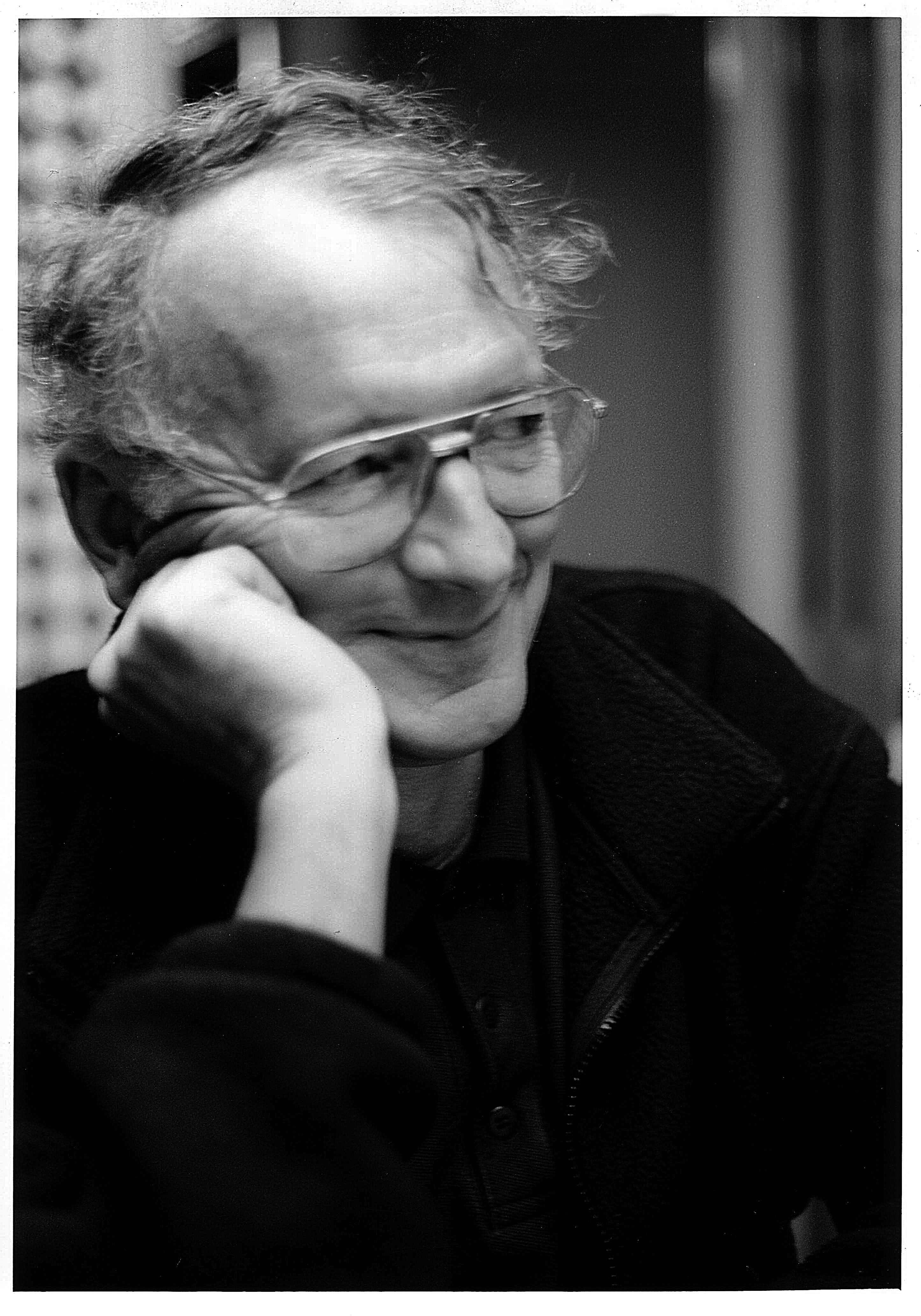
Writing this obituary pulls at the emotions for another reason. I owe Wilfred a great deal. It was Wilfred’s move to the senior Chair at University College London (UCL) in 1969 which created the vacancy at Balliol for which I applied, and, though I only learnt this many years later, it was his view that clinched my appointment. My first published work Photograph courtesy of the Beckerman family. was a chapter in a book he edited. And in 1985, when Nicky Kaldor formed the Kaldor Group advising Neil Kinnock, it was Wilfred who suggested my name. 

Given all this, you must allow me a small degree of bias. Nevertheless, my description of Wilfred on the occasion of his 80th birthday as a ‘political economist extraordinaire’ fully stands the test of time. For Wilfred’s record is remarkable. It stretches from an article in Economica in 19511 to a book on economics as applied ethics published in 2017.2 Even more impressive is the extraordinary range of topics covered: world income inequality, foreign trade multipliers, growth, welfare, pollution, development, inflation, wage rigidity, the environment, intergenerational equity, the measurement of poverty, national income analysis, social security – on and on the list goes. Few ideas have been more prescient or had more of an impact on economic policy than Wilfred’s on the subject of export-led growth, which he first laid out in his Economic Journal article of 1962.3 

At the centre of everything lay Wilfred’s deep commitment to empiricism. I particularly recall – how could anyone present ever forget? – his Inaugural Lecture at UCL.4 Limits to Growth5 had just been published and in a coruscating – and ruthlessly witty – attack Wilfred tore into the authors for their entirely fact-free analysis. As he put it, ‘[Their approach] exhibits a failure to understand that logical mathematical analysis by itself - i.e. without any empirical content – is quite unable to tell us anything about the behaviour of the real world.’ Throughout his life, this engagement with the real world was at the core of Wilfred’s concerns. He completed his doctorate at Cambridge in 1950 (under the supervision of Piero Sraffa), had two years as a Lecturer at the University of Nottingham, and then joined the OEEC (precursor to the OECD, the Organisation for Economic Co-operation and Development), where he rose to become Head of the National Accounts Division. In 1961, on leave from the OECD, he led the team at the UK National Institute of Economic and Social Research (NIESR), charged with preparing estimates of what the UK economy might look like in 1975. In the mid ’60s he was Economic Advisor to the government of Greece. 

From the NIESR Wilfred moved, in 1964, to Balliol, first as a Senior Research Fellow and then as Tutorial Fellow. Three years later, in the autumn of 1967 he took leave from Balliol to become economic adviser to the President of the Board of Trade, Anthony Crosland. This was followed in 1969 with his appointment as Head of the Department of Political Economy and Professor of Political Economy at UCL – the second oldest chair in political economy in the UK. 1970 saw Wilfred becoming a member of the Royal Commission on Environmental Pollution. At various points in Wilfred’s career, he carried out consultancy work for, inter alia, the International Labour Organisation, United Nations, Food and Agriculture Organisation and World Bank. 

None of these achievements came about because Wilfred started life advantageously. As his son, Stephen, recounts,6 ‘Wilfred was born in Croydon, and shunted around from school to school as his parents moved as part of the struggle to make ends meet during the Great Depression (his Dad was the archetypal little Jewish tailor).’ Secondary schools included Ealing Grammar (in Wilfred’s words ‘a very, very good school’) and, after a further move, a grammar in Cambridge. There, much to the horror of Wilfred’s teachers, his parents forced him to leave, aged 15, in order to get a job and, as Stephen puts it, ‘help finance his mother’s fondness for the gin bottle’. Stints as a rat catcher, a railway porter, and work in a local aircraft parts factory followed. 

So how did Wilfred make it from this inauspicious start to doctoral work at Cambridge? The answer lies in the War and in his drive. Conscripted in 1943, Wilfred joined the Navy and quickly rose to become an officer, serving mainly in the North Sea, on the destroyers Venomous and Oribi. I recall his description of the occasion when Oribi was sent to Copenhagen to help bring about the surrender of two German battlecruisers. Once this was achieved, his orders were to take control of a German tanker, the Nordmark, and take it to the Firth of Forth. Wilfred was 19 at the time. 

When he was demobbed in 1946, the government scheme for ex-officers gave Wilfred the chance to apply for university. However, he had left it almost too late; so, armed only with his chutzpah, he walked into one Cambridge college after another, asking to be admitted. Three colleges turned him down immediately (as Wilfred told it to Keith Tribe,7 even in naval uniform his working-class background would have been immediately obvious). Trinity College did not! 

Wilfred’s multiple appointments at Balliol – he was elected to a Fellowship three times – were also not exactly standard. The first, in 1964, was when Balliol advertised the P.D. Leake Senior Research Fellowship in accountancy. Following a worldwide search, Wilfred was chosen. One can’t help but speculate on the accountancy profession’s surprise at discovering Wilfred’s speciality was the National Accounts. A few months later a Tutorial Fellowship fell vacant and, it being immediately obvious to everyone in Balliol that Wilfred was the outstanding candidate, he was elected for a second time. Wilfred’s third election was in 1975. The election committee had completed the full paraphernalia – applications, references, shortlisting, and interviews – and were about to discuss the candidates when the then Master, Christopher Hill, announced that there was someone else who had not been interviewed but whom he wished the committee to consider, namely Professor Beckerman, then holder of the Chair in Political Economy at UCL. After a few moments of consternation amongst the faculty representatives, the committee voted unanimously to elect Wilfred. 

I have many memories of Wilfred as a colleague and Balliol Tutorial Fellow. In interviews for PPE, he would sometimes pretend to be a tiger and ask applicants how they would persuade us this was not the case. If the candidate replied that he had seen a tiger and Wilfred did not look like one, he would follow up with ‘You do generalise from a single instance, don’t you.’ Our philosophy colleagues suspected this was partly a tease of them. 

Conversations were both stimulating and varied, moving from why is heating regarded as a necessity, when air-conditioning is seen as a luxury, to a study he had been doing of paintings of the Annunciation. So many exist, he said, that it would be worth conducting a statistical analysis recording whether the Virgin is seated or kneeling, on the left or the right, how many angels, and so on, and then investigating what the correlations might suggest. The only impediment, according to Wilfred, was that some of the paintings were so beautiful, he would just gaze at them and forget to count. 

Another situation was a semi-regular recurrence. Week 4 or 5 of Michaelmas Term would arrive and a knock on my door would reveal a second-year student, declaring that Wilfred terrified them and they wished either to drop economics or to be taught by me. I developed two complementary strategies. One was to urge the student to stick with it, and, over the Christmas vacation, to re-write the essay which Wilfred had torn limb from limb and send it to him with a polite note asking if he could possibly glance at it again. Quite often, a term later, Wilfred would say to me, ‘There was a stage when I really wondered why we admitted X, but they are really not bad at all.’ The other was to choose my moment to suggest to Wilfred that students found him scary. The wonderful thing is that whenever I did so, Wilfred always expressed great surprise. And he was such a rational person (about everything) that he immediately agreed to change his behaviour, and so he did – at any rate for a term or so. 

Wilfred, as friends and foes alike know, was wickedly mischievous. Tim Jenkinson (Professor of Finance, Saïd Business School), speaking at Wilfred’s 90th, reminded us of two instances. The first was when he and Wilfred were making the argument that it was the fall in commodity prices that had reduced inflation and not unemployment that had done the work. This of course challenged the conventional view, encapsulated in the Layard/Nickell model. They duly received a hostile referee report. Wilfred, convinced that Layard was the referee, wrote to the editor saying, ‘We would like to challenge the views of Referee 1, who for convenience we will refer to as “Layard”.’ 

The other was the occasion of an earlier debate about free will and determinism. Wilfred had been in discussion with the Archbishop of York and wrote: ‘His Grace says that “one of the conditions for being free has to be the belief that one is”. Now I suppose it is true that a necessary condition of his being an Archbishop is the belief that he is one. But I’m afraid it is not a sufficient condition. There are many in lunatic asylums who hold similar beliefs.’ Wilfred also never dressed anything up. Having read A Path from Rome, the autobiography of the then Master, Anthony Kenny, he greeted him with the words, ‘Tony, why did it take you so extraordinarily long to see that Catholicism was a load of nonsense?’ 

He was equally quick at the put-down. In the early 1980s, he visited South Africa. Margaret Thatcher was in power and Wilfred was appalled at the unemployment she had created. He was in full-flood criticism at a seminar when the voice of another Visiting Professor broke in: ‘Professor Beckerman, what you have just said is unbelievably ignorant!’ Wilfred, I am told, allowed a minuscule pause, lifted an eyebrow, allowed one of the small smiles that anyone who knew him will recall, and replied, ‘If you knew me better, it wouldn’t be unbelievable.’ 

Looking back over the whole of Wilfred’s life, what stands out for me? First, he was a phenomenally good quantitative economist. At the Board of Trade, he made some back-of-the-envelope estimates of the ‘effective protection’ rate of the UK (this being the rate which takes account of the multiple interactions because outputs from one industry are inputs to others). If I recall correctly, Wilfred’s estimates showed the rate to be somewhere between 21 and 22 per cent. However, the civil servants still insisted it be done properly on a computer. In those days, the largest model of the UK economy was on a giant machine in Cambridge. After grinding away for a week, the computer revealed its conclusion: 21.5! 

The second lies in his unwavering commitment to the importance of economic growth (driven, I suspect, by his childhood experience of the Depression and of the polarisation of political views which accompanied the unemployment). In particular, there was his sustained criticism of those who argued that, to save the environment, growth had to be sacrificed. Here, I am sure he was right. As he said in his Inaugural Lecture, ‘The alleged conflict between growth and the environment is not really about the growth problem at all; it is about the allocation of resources at any moment of time between alternative forms of consumption.’ 

Wilfred was also totally on target when he emphasised, time and time again, that if only we would tax pollutants, there would be a double gain: the reduction in pollution and the gain to whatever the tax revenue was used to provide. Where, in my view, Wilfred did make a rare error of judgment was in the apparent insouciance he displayed towards global warming. When concerns about global warming first hit the agenda in the 1970s, there were many reasons to be sceptical. The difficulty, as I see it, was this. Even though in Wilfred’s later works he did agree that climate change was happening, his earlier dismissal of it, and the almost too clever way in which he discussed it, meant that far too many of his very good observations about the environment were lost. Even more of a pity is that his careful and important warnings about the many adverse distributional effects that can arise from policies intended to reduce climate change have been heard too little – other than by climate change deniers. 

In a different domain, I have always been conscious of Wilfred’s predominantly very happy personal life. He was married twice. First to Nicole Ritter, an elegant Parisian with whom he had two daughters, Debbie and Sophia, and a son, Stephen. As Stephen put it to me, ‘Wilfred was smitten by Nicole, especially when she dazzled him with talk of French philosophers such as Sartre.’ Indeed, Wilfred’s move to the OEEC was undoubtedly heavily Nicole-related and her death from cancer at the age of only 50 hit him extremely hard. 

In 1991, Wilfred married the Polish philosopher, Joanna Pasek. The Berlin Wall had only recently come down and I recall Wilfred saying he had to skulk at midnight outside a building in Poland to receive the papers that proved her divorce. Wilfred was very fond of his stepdaughter, Agnieszka, aged six when she first came to England; and he and Joanna had a further daughter, Beatrice, another source of intense pleasure to Wilfred. Joanna and Wilfred were very different in age but equals in argument, and when Wilfred retired from Balliol, they published together and taught together at UCL, running two courses. One was on ‘Environmental Economics and Ethics’. The other, called ‘Ethics in Applied Economics’, was taught as a dialogue between a philosopher and an economist – which they were still delivering when Wilfred was 94. UCL’s obituary states ‘both of these modules were among the most popular and intellectually stimulating modules ever taught in UCL economics’. 

Wilfred was, indeed, an inspiring teacher. The quality and quantity of his many students is, in many ways, his largest legacy. We see in Wilfred’s books his ability to write succinctly and argue rigorously – his textbook on National Income Analysis remains the best in the field. His many students attest to similar qualities in his tutorials. Despite his scariness to some, if a student made an effort, Wilfred was both patient and highly popular. Most important of all, he got his students to think for themselves. Wilfred took delight in disagreement. It is, as they say, no chance that, amongst the many students who were in touch with Wilfred right until the end of his life were two who take polar opposite views on climate change and the environment. But they are united in their admiration and respect for Wilfred. They hold him in high regard, they view him with much affection and they miss him. 

They are part of a large throng. I am with them. 

1 Beckerman, Wilfred, ‘National income, exchange rates and the balance of trade: a note’, Economica 18, no. 71 (1951): 292–294 
2 Beckerman, Wilfred, Economics as Applied Ethics: Fact and Value in Economic Policy (Springer, 2017) 
3 Beckerman, Wilfred, ‘Projecting Europe’s economic growth’, Economic Journal no. 72 (1962): 912–925. 
4 Beckerman, Wilfred. ‘Economists, scientists, and environmental catastrophe’, Oxford Economic Papers (pre 1986) 24, no. 3 (1972): 327–344 
5 Denis Meadows et al, Limits to Growth (Potomac Associates – Universe Books, 1972) 
6 Email to Andrew Graham, 27 May 2020 
7 Keith Tribe (ed.), Economic Careers: Economics and Economists in Britain 1930–1970 (Routledge, 2014)

Photo: Photograph courtesy of the Beckerman family.


Thomas Gledhill

1961, BA Physics
03 January 1942 — 16 April 2020

Steve Gledhill (2000)

Thomas GledhillTom Gledhill died on 16 April 2020 in Oxfordshire, aged 78. Parkinson’s Disease had taken much from him and COVID-19 took away the last of his breath. 
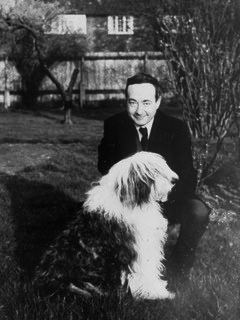
The son of classics teacher John ‘Joe’ Gledhill (University College, 1928), Tom was educated at Boston Grammar School, Lincolnshire. He excelled academically, winning the Parry Gold Medal before heading to Balliol in 1960 to read physics. Years later he would regale friends with stories of the peak of his sporting prowess during his university days: playing shove ha’penny with Crown Prince Harald of Norway (1960 and Honorary Fellow) in the Balliol JCR. 

Tom’s focus at Balliol was on his understanding of physics and his scientific pursuits led him onward to Nottingham University, where he completed his PhD in thermonuclear magnetic resonance. Armed with a foundational understanding of science and driven by a desire to teach, Tom left the UK to assist those bringing education to developing nations, teaching first at the University of Ibadan in Nigeria during the Biafran War, then at Ankara University in Turkey, before heading back to Africa – this time to Uganda and Makere University, Kampala, under Idi Amin’s regime. 

Constantly searching for a greater understanding than he had gained through science, Tom grew in his Christian faith, preaching regularly in Kampala before returning to the UK in 1976 to retrain at Trinity College, Bristol, in Greek, Hebrew, and Old Testament studies. There he met Serena Holroyd and the two married at All Souls Langham Place, London. Jobs in theology overseas were hard to come by for the couple, so after he obtained a BD from London University, Tom’s next step was to Malawi, teaching physics at Chancellor College, Zomba, and embarking on a journey of fatherhood with a daughter, Sheona, and son, Stephen. From Malawi to Kenya at the Nairobi Evangelical Graduate School of Theology (now Africa International University); then a return to Bristol in 1991, eventually finding a teaching post at the Evangelical Theological College of Wales, Bridgend, in 1993 before a well-earned retirement in 2006 in Wantage, Oxfordshire.

Many aspects of Tom’s life reflect the way encouraged at Balliol: he had an analytical and intellectually rigorous mind balanced with humility and social conscience. Which also brought him adventure, from galloping on a thoroughbred down a dry Nigerian riverbed with local dignitaries, to an arrest for ‘loitering’ in Cairo. A gentle man with quiet intellect and good humour, Tom lived a full life.

Professor George Steiner

1950, BLitt English and Honorary Fellow 1995
23 April 1929 — 03 February 2020

Oswyn Murray (Emeritus Fellow) 

George SteinerWhen we elected George Steiner to an honorary Fellowship in 1995 we felt we were righting a historic injustice, for the English Faculty had rejected his DPhil thesis at the first attempt on the grounds that it was outside their subject area. That was a version of surely his most famous book, The Death of Tragedy (1961). He arrived in Balliol as a Rhodes scholar in 1950 already a polyglot in French, German and English; and according to George his tutor (John Bryson, Fellow 1940–1976), ‘an honest man’, announced at their first meeting that he had no interest in George’s topic, but that since someone had to take some responsibility, he would put aside the small sum he received for the tutoring, and at the end of the year would take George out for a nice dinner. This duly occurred. But the lack of tuition scandalised Humphry House, tutor at Wadham, Photograph courtesy of the Steiner family. who came to his rescue when his thesis was referred. 
While employed on The Economist, in his first published book, Tolstoy or Dostoevsky (1959), the young George took up the theme of Isaiah Berlin’s essay on Tolstoy (The Hedgehog and the Fox, 1953) and broadened it into a vast canvas of two responses to human experience, the epic and the tragic. It ends with the vision of Dostoevsky’s Grand Inquisitor, pointing ‘to the tawdry cheapness of mass culture, to the pre-eminence of quackery and slogans over the rigours of genuine thought, to the hunger of men – a hunger no less f lagrant in the West than in the East – after leaders and magicians to draw their minds out of the wilderness of freedom’. This was a demonstration of the seriousness of literary studies; he may not have invented comparative literature, but he made it intellectually respectable. 

George was never interested in traditional academic boundaries: his father had tricked him into reading Homer in Greek as a child (he collected translations of Homer all his life and made a book of them), and he always thought of Classics as one of the more serious disciplines, and certainly much more worthwhile than English literature, which he regarded as a very trivial pursuit lacking in gravitas; he was immensely proud of his daughter Deborah’s career as a professional classicist. He succeeded Edmund Wilson as chief literary critic on the New Yorker and took his stance as a European, serving for many years as Professor of Comparative Literature in Geneva, and in Oxford as the first Weidenfeld Professor of European Literature in 1994 with a lecture series on the sirens; Extraordinary Fellow of Churchill College, Cambridge, he lived in the town most of his life, but never held a formal university post. 

His interpretation of the European tradition was philosophical and moral, based on the belief that the Holocaust had changed the human condition: he recalled that he was one of only three survivors from his class in wartime Paris. He described ‘my astonishment, naïve as it seems to people, that you can use human speech both to love, to build, to forgive, and also to torture, to hate, to destroy and to annihilate’. When in 1977 the news came that his son David had been offered a place at Balliol to read PPE, his first response was to go in search of his rather moth-eaten Balliol scarf and place it around his neck, remarking ‘another defeat for Hitler’. 

With After Babel (1975) he started the whole modern industry of translation studies: beginning from the difficulty of understanding Shakespeare, he showed that all forms of reading involve translation and how lying is a fundamental aspect of human speech; all communication is a compromise that partakes of falsification: ‘philology leaves its objects as inert as it found them. The letter kills the letter. It is transformational readings, misprisions ... which ensure their vital immediacy.’ Translation is what has created European culture. 

I reviewed Antigones (1984) in the TLS: in his account of the transformations of the myth he showed how one ought to study the reception of antiquity, a lesson that has been lost on modern ‘reception studies’. For him ‘a mythology crystallises sediments accumulated over great stretches of time’; the mythology of the modern age resides in psychoanalysis, existential philosophy, the ideology of left and right, all attempts to create unity in the world in the ancient manner. 

People sometimes regarded him as a poseur, because they were ignorant and he knew so much more than it seemed possible to know; they mistook his provocations as superficial understandings. These provocations were famous. In 1989 George and I were the only two English contributors to the famous French nouvelle vague film-maker Chris Marker’s television series on The Legacy of the Owl, still the best account of the meaning of ancient Greece. In it George remarked that ancient Greece and modern Greece had nothing in common, ‘c’est une parodie, ça n’existe même pas’. This led to a fascinating discussion among the Greek participants about the meaning of ‘nostalgie’ for the homeland in the age of the Colonels, ‘belle mais étrange patrie’ (Elytis). But despite the fact that many of them echoed George’s sentiment the financial backers, the Onassis Foundation, took offence, and for 20 years refused to allow the series to be distributed, until the Otolith Group obtained a copy from Chris Marker and presented it illegally as part of their finalist’s entry for the Turner Prize in 2010. He loved indeed to be paradoxical, to connect ideas that had never been connected before. to show that beauty could exist alongside evil, that morality and literature were intricately imbued with thought and language, that translation could be more interesting than the original. Above all he might be outrageous, but he was never boring. 

His last books became ever more provocative; he had always understood the wisdom of Lear. In Lessons of the Masters (2003) he establishes the essentially sexual element in every transmission of ideas, a deliberate subversion of political correctness designed to enrage both feminists and old-fashioned protagonists of the tutorial system. My Unwritten Books (2008) was an exercise in negativity in which he compared Joseph Needham on China with Proust as a work of fiction, revealed his distaste for zionism and defence of the wandering Jew, his sense of ‘invidia’ or envy as a critic rather than a creative writer, his delight in the polyglot language of sexual intercourse, his love of pets especially rescued ones: above all he castigated the barrenness of modern education and asserted his lifelong distaste for the cultural banality of democracy and pride in the profession of the intellectual: ‘Stalin and Hitler made of the glorious noun “cosmopolitan”, with its promise of the inalienable, a murderous sneer.’ ‘Simplification, levelling, watering down, as they now prevail in all but the most privileged education, are criminal. They condescend fatally to the capacities unbeknown within ourselves.’ Silence is better: ‘Mendacious, imprecise and politically prostituted language, that vast noise of the media, the monstrous amplification of the trivial, are set against the decencies, the cognitive and moral cleanliness of silence.’ 

His final book, The Poetry of Thought (2011), returns to his first; once again it is about the interplay between imagination and thought, literature and science, poetry and philosophy. It contains the best account of the purpose of Plato’s dialogues that I know; chapter four takes up the theme in the dialogues of Abelard, Galileo, Hume and Valéry: the range is typical of Steiner. The next chapter praises the extraordinary literary talents of Karl Marx, whom he had earlier held responsible for the death of tragedy and along with Hitler for ‘the descent of Europe and of Russia into barbarism between 1914 and 1945’. 

His whole work is a threnody for the underlying structures of 20th-century Western culture at its best and its worst; and his death, ‘the necessary outrage of the death we carry within us’, has provoked me to read and reread everything he has written and to recognise its intrinsic unity. Perhaps his own literary genius is already foreshadowed in the poem presented to Balliol in his application dossier of 1947; as a sample of his work at the age of 17 he had submitted ‘Sonnets of the Globe: Thirty-four sonnets to the plays of Shakespeare’. The last of these is:

The Tempest


My exile is some endless world where sing
Sweet instruments beneath the morning breeze,
And where the land is pregnant with each 
spring, 
And where I chart the myriad stars. For these
Are truths eternal on this earthly stage,
Which break the chains of our uncertain rhyme,
Which lift their wings above the passing age
And ever cross the boundaries of time.
Conjure them, Ariel, in your magic flight,
Pursue them on the wings of bats at night,
Oh seize them: Spirit them unto this pearl,
Unto this island in the dancing swell,
Fly: Form a rainbow, let them unfurl, 
In my soul’s paradise, carved out of hell!

Photo: Photograph courtesy of the Steiner family.


Brian McGuinness

1945, BA Literae Humaniores
22 October 1927 — 23 December 2019

Anthony Kenny (Fellow and Tutor in Philosophy 1964–1978, Master 1978–1989) 

Brian McGuinness was born at Wrexham in 1927, educated at Mount St Mary’s College in Chesterfield and won an exhibition to Balliol in 1945. Having obtained a First in classical moderations he won a First in Literae Humaniores in 1949. 

After serving in the Royal Artillery on National Service from 1949 to 1951 he returned to Balliol and obtained his B Phil, after which he was elected a tutorial fellow of the Queen’s College, Oxford. 

A year later McGuinness took leave to spend a year as a junior fellow in the Council of the Humanities at Princeton. While in the United States he met Rosamond Ziegler. They married in 1957, and went on to have a son and three daughters. 

McGuinness’s research interests focused on Ludwig Wittgenstein and the circles to which he belonged. In 1959 he published, with David Pears, a translation of Wittgenstein’s Tractatus Logico-Philosophicus, designed to replace the 1921 translation by C.K. Ogden. The next major publication he edited was in German, Wittgenstein und der Wiener Kreis (1967). This appeared in English two years later as Wittgenstein and the Vienna Circle. Later he was responsible for the publication of an extensive series of volumes of writings of the major figures of the Vienna Circle.

In 1968 there appeared an edition of Paul Engelmann’s correspondence with Wittgenstein, along with a memoir. This was followed in 1971 by Prototractatus, an edition and translation of an earlier version of the Tractatus that McGuinness had translated with Pears. 

In 1970 he married Elizabeth Groag, by whom he had a second son. 

Throughout his life McGuinness collected material for a biography of Wittgenstein. Wittgenstein, a Life: Vol. 1. Young Ludwig (1988) was widely admired, but no further volumes appeared. McGuinness continued to publish volumes of Wittgensteinian correspondence. His Cambridge Letters (1995) included some of great philosophical interest from Russell, Keynes, Moore and Ramsey; a much amplified fourth edition appeared in 2012, under the title Wittgenstein in Cambridge: Letters and Documents 1911–1951. 

McGuinness held visiting professorships in Seattle, Beijing, Leyden, Rome, Graz and Stanford. In 1988 he left Queen’s for a post at the Netherlands Institute for Advanced Study. In 1990 he found his final home as a Professor at the University of Siena, where for three years he was director of the faculty of social sciences and philosophy. 

In his last decades he wrote many essays and vignettes on Wittgensteinian themes. His final contribution to Wittgenstein studies was his edition of the philosopher’s family letters (translated by Peter Winslow) in 2018. McGuinness’s third marriage, in 2008, was to Giovanna Corsi. She took care of him during his final illness. 

A most meticulous scholar, with a great sense of humour, McGuinness will be long remembered by all those who knew him. 

This is a shortened version of an obituary that was first published in The Daily Telegraph, reproduced with permission.

Julius Gould

1942, BA PPE
13 October 1924 — 04 December 2019

David Gould 

Julius GouldBalliol gave Julius Gould a successful academic career in the Social Sciences and a lifelong fascination with politics. The grammar-school educated son of a Latvian-born immigrant tailor, Gould won a senior Classics scholarship in 1942. His time in Oxford was interrupted in 1944 by wartime service at Bletchley Park, where he translated Japanese diplomatic intercepts. 

After the war he changed courses, and graduated in PPE in 1949. He always spoke fondly of Balliol and of the many lifelong connections he made there. After a brief spell at University College Swansea, he joined the London School of Economics as a lecturer in Sociology (1950–1964); catching the wave of his subject’s rapid expansion, he became the first Professor of Sociology at Nottingham University (1964–1986). He enjoyed both the teaching and the delicate negotiations that accompanied his work as Head of Department and eventually, Dean of Faculty. He also taught in the US, spending time at Harvard, Berkeley and Cornell. 

Gould joined the OU Labour Club in the 1940s, but slowly drifted rightwards, stimulated by his hatred of Communism, suspicion of the student revolts of the 1960s and disillusion with Labour under Harold Wilson. By the mid-1970s he was working closely with Keith Joseph and Margaret Thatcher (then in opposition) to formulate education policy. He was an accomplished book reviewer and a sought-after contributor, but his own books were few. He was joint editor of A Dictionary of Social Sciences (1964), which remained a standard work for decades. In 1977, he made waves with The Attack on Higher Education, which suggested that some university courses gave undue prominence to Marxist interpretations. This slim report attracted wide press coverage and a venomous assault from the left, which took him aback: a naturally modest and taciturn man, Gould preferred to keep below the radar. But his strengthened profile as a right-wing academic led to appointments at several conservative think tanks such as the IEA, the Centre for Policy Studies and the Social Affairs Unit. 

He was an observant Jew, and was active in the community, among other things serving on the Board of Deputies and setting up the research unit at the Institute of Jewish Affairs. 

Julius married June Salters in 1954. This lifelong and happy union was the centre around which his life revolved. They had two sons: Russell, a sound archivist, and David, a business consultant.