Dr Simon Skinner (Keen Fellow and Tutor in History)
Arthur Burns, who has died aged 60, was both a leading historian of modern Britain and one of the national profession’s great public servants. He came to Balliol in 1981, was made a Greaves Exhibitioner, and secured a First in 1984, when Firsts were rather rarer. During and after his DPhil (1991) at Balliol, from 1988, Arthur combined a lectureship at Mansfield College, Oxford with sub-editorship of Past & Present, before his appointment to a lectureship at King’s College London (KCL) in 1992.
His doctoral work, supervised by Peter Hinchliff (then Chaplain and Fellow of Balliol), contributed centrally to revisionist interpretations of the late Hanoverian and early Victorian Church of England, which now themselves constitute orthodoxy, and was published as The Diocesan Revival in the Church of England c.1800–1870 (1999). His interest in this field continued in later works, such as his co-edited volume and essay in Rethinking the Age of Reform: Britain 1780–1850 (2003) and award-winning St Paul’s: The Cathedral Church of London 604–2004 (co-ed., 2004).
In 2016, Arthur was appointed President of the Church of England Record Society; he was an advisor to the Church Commissioners’ Project Spire, investigating the links between the Church of England and the slave trade, thereafter serving on the Contested Heritage Committee of the Church Buildings Council, and in 2022 was duly presented with the Lanfranc Award for Education and Scholarship by the Archbishop of Canterbury.
Arthur’s contribution to British history transcended his immediate research interests due to his authentically pioneering work in digital humanities. From 1999, he was a director, along with Kenneth Fincham (Lecturer in History 1982–1984) and Stephen Taylor, of the Clergy of the Church of England Database, a digital inventory of all Anglican clergy in England and Wales from the Reformation to the mid-19th century, and from 2017 Academic Director of the transatlantic Georgian Papers Programme, a ten-year interdisciplinary project to digitise c.65,000 items in the Royal Archives and Royal Library.
Arthur was a major figure at KCL, where he was made Professor of Modern British History, served as Head of Department from 2004 to 2008, and Vice Dean of the Faculty of Arts and Humanities (Education) from 2014 to 2017. In London, he was an equally genial and rigorous co-convenor of the Long Eighteenth-Century Seminar at the Institute of Historical Research. But his contribution to the UK’s historical community was felt much more widely. He co-founded the Boydell & Brewer monograph series ‘Studies in Modern British Religious History’, which has since published nearly forty volumes. After being elected to the Royal Historical Society in 2000, he served as Literary Director (2008–2012) and then Vice-President Education (2012–2016), in which capacity he negotiated with Michael Gove and his officials in the education department over controversial revisions to the national curriculum; he was also Chair of the Historical Association’s Higher Education Committee.
Although Arthur was more interested in professional outreach than media donnery, his public engagement inevitably crossed over into broadcast appearances, including Tony Palmer’s film Holst – In the Bleak Midwinter (2011), and Who Do You Think You Are? (revealing to Patsy Kensit that she was descended from James Mayne, a 19th century curate legendary for his social work in Bethnal Green).
In 1998, he married Sarah Stockwell, a historian of British imperialism and decolonisation, who survives him with their three sons, James, Alasdair, and Douglas.

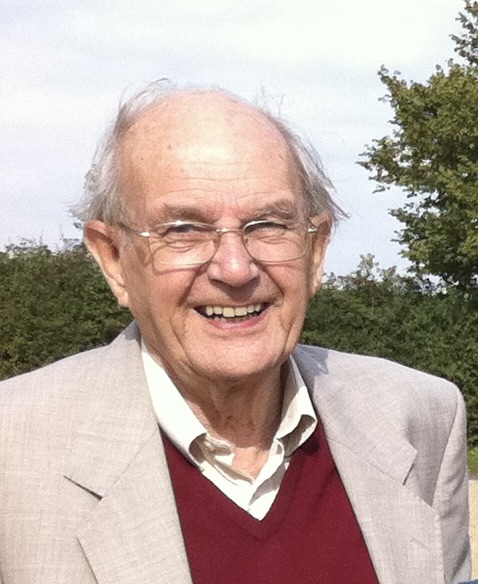
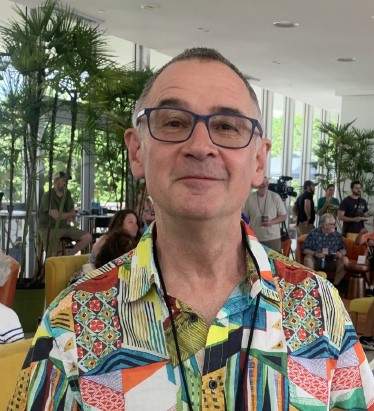 It is with sadness that we learned of the passing of Dr Chris Kenyon, who died on 31 August 2024. Dr Kenyon was the senior partner at the
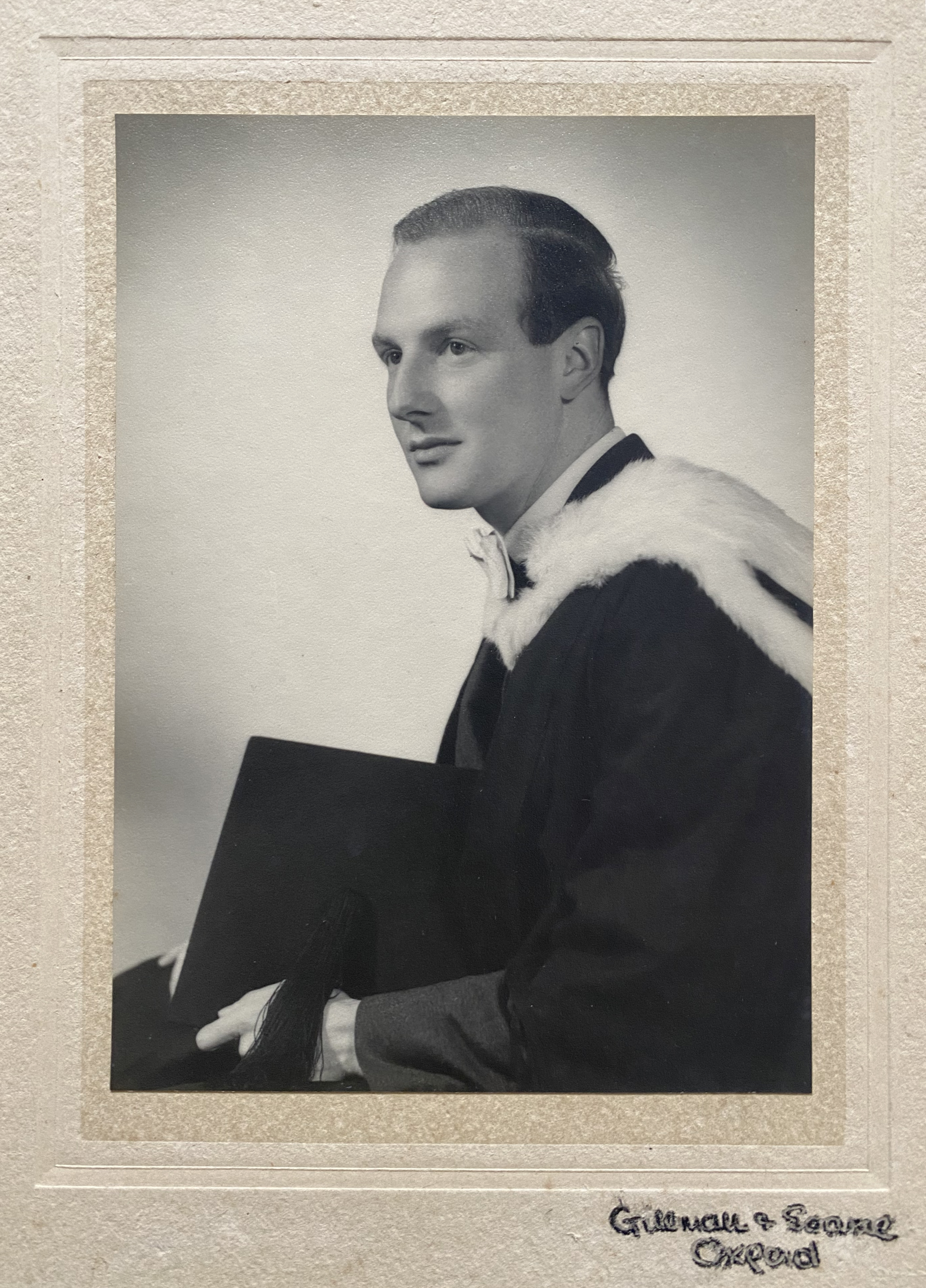 My father, Peter McRorie Higgins, who has died aged 93, was a urologist in Stoke-on-Trent. A humane and considerate surgeon, he was committed to improving the experience of patients in the NHS, partly through pioneering work in clinical audit. He also made advances in treating conditions including acute urinary retention. He read widely, cultivated a lifelong interest in history, and amassed an important collection of ceramics.
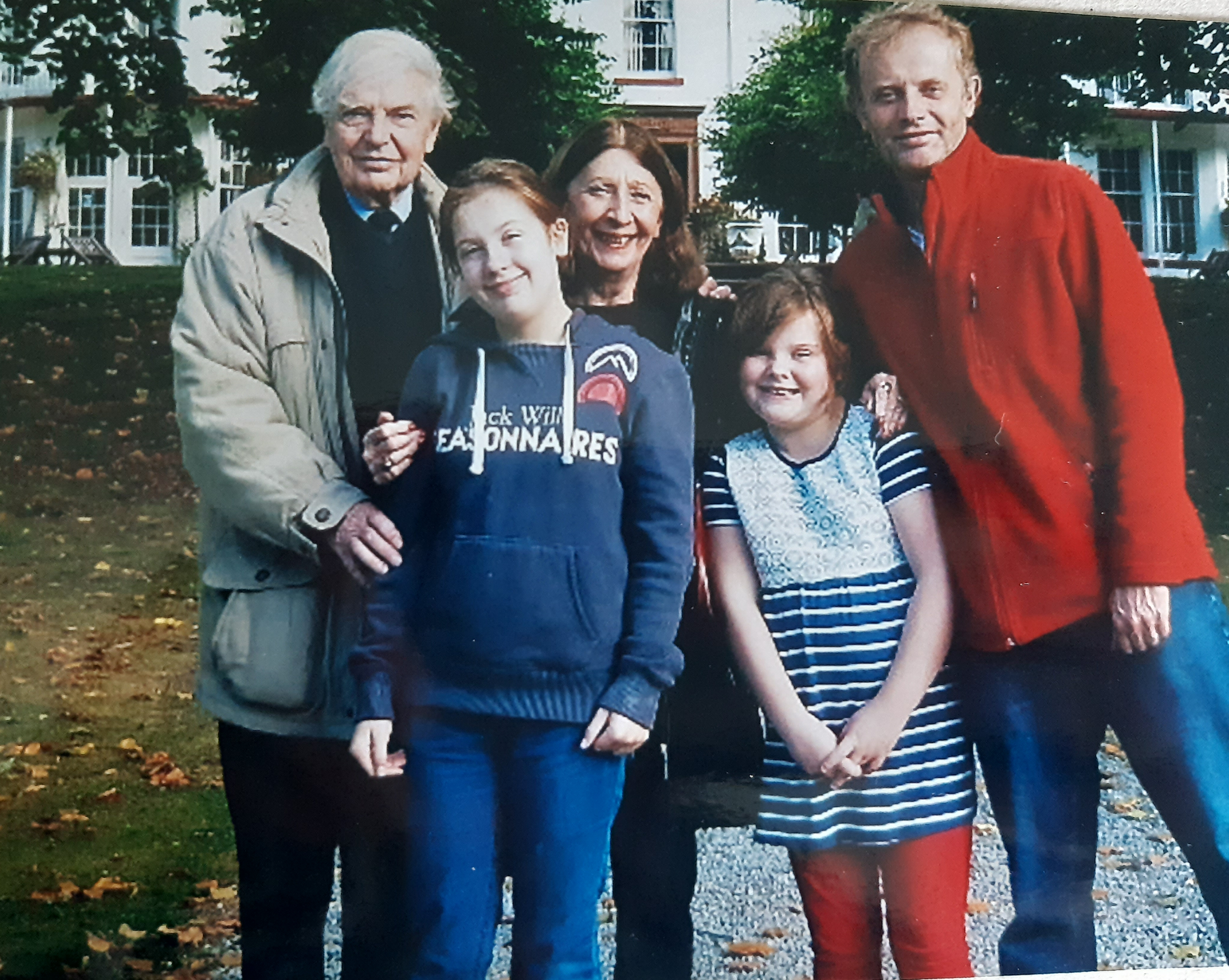
 It is with deep sorrow that we must share the following news with members and former members of the College.
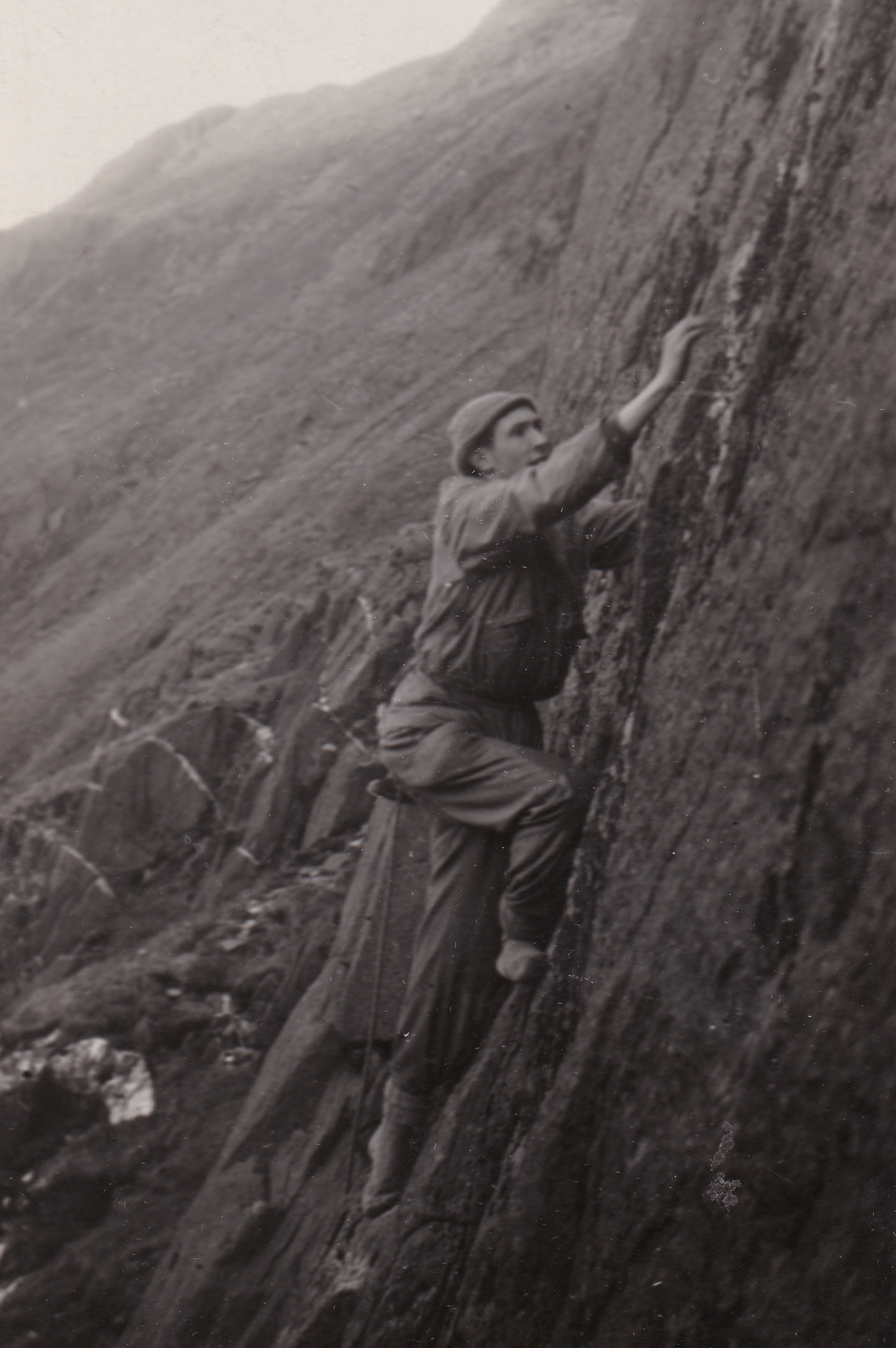 Jeremy Drummond
 Ruth McDougall