Derek E. Moulton (Fellow and Tutor in Mathematics) and Frances C. Kirwan (Emeritus Fellow)
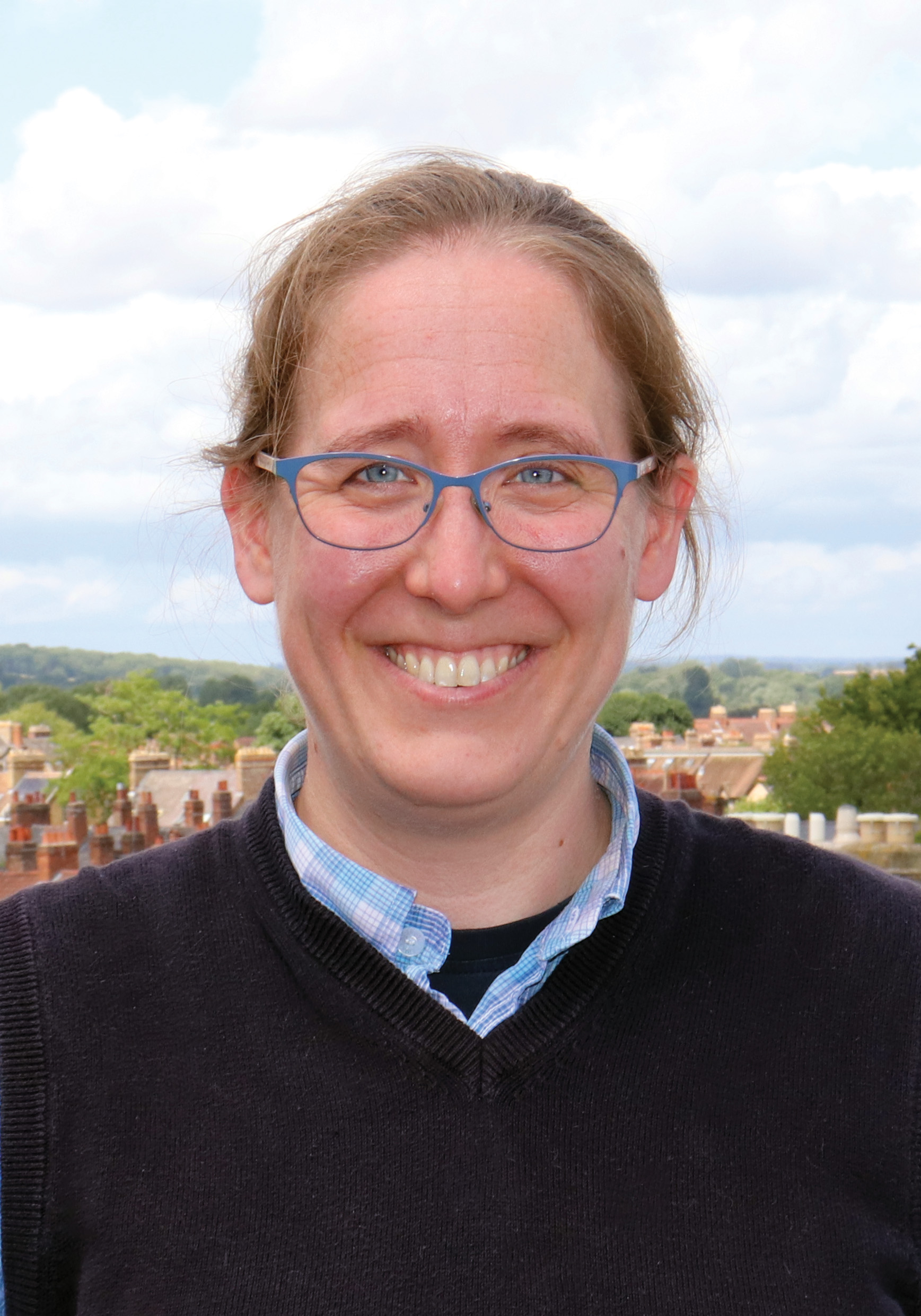 Victoria Neale, known to all of her colleagues and friends as Vicky, was born in Worcester on 28 March 1984, the first child of Barbara and Brian Neale.
Education was an integral part of Vicky’s life from the very beginning. She was fascinated by mathematics from an early age, with activities such as counting the stairs on the way to bed providing an engaging way to explore numbers. Her love for learning expanded to encompass many subjects, and she soaked up knowledge wherever she could. Vicky’s intelligence stood out among her peers, as she effortlessly grasped concepts beyond her years. In primary school, classmates sought her help with unfamiliar words during reading lessons, her innate teaching abilities already starting to shine.
At the age of seven, Vicky’s mathematical talent garnered attention, and she was assessed by the county’s ‘gifted children’ advisor. By the age of ten, she had started to delve into advanced mathematical concepts, teaching herself topics like Cartesian coordinates and simultaneous equations. Her passion for mathematics grew even stronger as she learned more. She was keen to participate in extra-curricular activities such as the UK Mathematics Trust’s ‘maths challenges’ in secondary school and beyond, persuading her sixth-form college to partake in competitions they had never been involved in before. Her friend Tim Austin, now the Regius Professor of Mathematics at the University of Warwick, recalls:
Vicky and I were in the same school year, and we met as students at the various camps that followed the British Mathematical Olympiad. We quickly discovered a lot in common besides maths itself, and she was one of my closest friends by the time we started at Cambridge together. On a dusty shelf in my office, I still have photocopies of her immaculate handwritten notes from lectures that I missed. I can still recall the smell of ‘pasta and stuff’ filling her tiny college kitchen as we shared hopes, or worries, or stories about parents and siblings.
Vicky was a talented mathematician and a gifted teacher. She was also a deeply good person: honest and straightforward, unfailingly generous, instinctively humble, uncompromising when called for. We shared a love for the subtle beauty of Nature’s more desolate places: I can still picture her knitting in a tiny youth hostel in the Hebrides, grinning broadly at the top of Skiddaw, or sharing her lunch on a seawall in Essex. We could usually find a sense of humour in common even when we disagreed.
Vicky had the wonderful ability to immerse herself completely in a moment of the sublime, whether sitting in a lecture, listening to a joke, or reaching the rim of some windswept cliff. Perhaps the great joy of being a mathematician is the beauty of first contact with a new mathematical idea. But it always seemed that Vicky could recapture that sense of beauty, quite undiminished, whenever she revisited an idea later in her mathematical life. Then she could impart it to some one else with all the clarity and sparkle that she still saw it with herself.
This love, combined with her unwavering curiosity and hunger for knowledge, led her to study mathematics as an undergraduate at Trinity College, Cambridge, where she became President of the Trinity Mathematical Society and ended three successful undergraduate years as Second Wrangler in 2005, afterwards continuing at Trinity to complete a Masters (Part III of the Mathematics Tripos). Vicky remained at Cambridge for her PhD, working under the supervision of Ben Green (now the Waynflete Professor of Pure Mathematics at Oxford). Her PhD, awarded in 2011, was in an area of pure mathematics called analytic number theory, concerning what is known as the Hardy–Littlewood circle method.
During her tenure as a PhD student, Vicky joined Murray Edwards College in 2009 as a Bye-Fellow (a Fellow who does not take part in the government of the College), College Lecturer, and Director of Studies (DoS) in Maths where she made an indelible mark, taking on numerous roles and an active interest in teaching.
Having been President of the Trinity Mathematical Society, Vicky brought with her an ambitious approach to mathematics that invigorated the students. Under Vicky’s guidance, they became more confident and adventurous, embracing the challenges and opportunities presented by the subject. She also made both Murray Edwards and mathematics an attractive destination. Owen Saxton, a Fellow in Physics at the time, recalls: ‘Where I had as DoS in Physics welcomed a steady stream of wonderfully able students changing from maths to physics over the years before her arrival, this stopped immediately and even reversed to the extent of a couple of my students opting to do the infamously challenging Part III Maths course after completing a physics BA.’
Vicky’s dedication to mathematics extended beyond the classroom. She published a weekly challenge question on the noticeboards, encouraging students to think critically and creatively. These challenges not only engaged the students but also showcased Vicky’s commitment to fostering a stimulating academic environment.
As a Director of Studies, Vicky’s expertise and guidance helped shape the mathematical journeys of numerous individuals. Students were drawn to her supportive nature and her ability to challenge them to reach new heights of understanding and confidence. One of those students, Abi Royal, recalls:
There wasn’t a single second where I ever doubted how completely she believed in me, even when I didn’t believe in myself. Vicky had so many idiosyncrasies that still make me smile when I think about them: her colourful trousers, her mathematical knitting, her bad maths puns and the way she would smile when she told them ... She was also an absolutely phenomenal teacher – I was lucky enough to be supervised by her a fair few times, as well as attending her third year Number Theory lectures. Her ability to communicate complex ideas in such an understandable and charismatic way was absolutely unparalleled.
Collaborating on admissions interviews, Vicky displayed her discerning insight and an unwavering commitment to fairness. She was known for challenging traditional approaches to questioning, favouring enquiries that assessed candidates’ problem-solving skills and ability to navigate the unknown.
While Vicky was an undergraduate, she had volunteered with AskNRICH, an online forum set up by the NRICH Project in Cambridge. School students could seek help and advice with maths and maths-related issues. Vicky spent a few weeks during the summer holidays working for NRICH, writing articles for school students and editing resources. Her love for the subject and her passion for communicating it shone through, to the extent that when the AskNRICH Coordinator went on maternity leave, Vicky stepped into the role with ease. When she became Director of Studies at Murray Edwards, she continued to collaborate with NRICH, helping to organise maths events for local children and their families on Saturday mornings.
Recognised as an exceptional role model for young mathematicians, Vicky was often asked to represent the Cambridge Mathematics Faculty at Open Days for prospective undergraduates. Her belief that mathematics could be enjoyed and appreciated by all students made her the perfect candidate to take a leading role in the Cambridge Mathematics Education Project (CMEP, later known as Underground Mathematics) for sixth-form students. She was recruited alongside Steve Hewson from NRICH to lead the development of this very open-ended DfE-funded project – how best to realise the aim of improving the teaching of A-Level Mathematics was not at all clear. CMEP Director Professor Martin Hyland recalls the start. of the project.
Vicky Neale at Murray Edwards College. Vicky and Steve introduced a way to describe progress through A-Level in terms of a Tube Map: stations displayed teaching resources devoted to the key topics. The nature of the resources was critical. They were to be Low Threshold High Ceiling, in the terminology of NRICH, and suitable for group work in class. Less palpable was the philosophy established by Vicky and Steve with the firm idea, stemming from their joint experience in NRICH, that authority lies in the mathematics. The overall tone, established early, lasted through the whole project.
In summer 2013, the project was committed to holding two Summer Workshops to obtain initial feedback from teachers. Sadly by then Steve had become very ill. Though others pitched in to help, Vicky was responsible for the planning, and she ended up fronting the majority of the sessions. Both intellectually and physically it was an amazing feat. One workshop outcome proved very special. The project needed to showcase teaching materials. Vicky had the idea for a circle-sorting resource. This was wonderfully realised by Karen Habermann, a student working with the project. Search the web for ‘Teddy Bear, Circle’ and you will find what became the exemplary resource for Underground Maths.
While at Murray Edwards, Vicky also succeeded in persuading (in the way that only Vicky could) the college, the Cambridge Faculty of Mathematics and the United Kingdom Mathematics Trust to set up the European Girls’ Mathematical Olympiad (EGMO) and host the inaugural event in 2012. The year after this event she described EGMO as follows, modestly omitting her own huge contribution (together with that of Ceri Fiddes, Julia Gog and others) to its existence and success.
The aim is to encourage more girls to participate in mathematics competitions, as a way of getting more girls involved with mathematics more generally. The format is rather similar to many other international mathematics competitions, such as the IMO, and like these the host country will change each year. The papers at EGMO provided challenging mathematics, and the students also enjoyed the social aspect of the programme. Sixteen European countries sent teams, along with three guest nations. Following the success of EGMO in 2012, the second EGMO has recently happened in Luxembourg, and EGMO will be held in Turkey in 2014.
Ceri Fiddes, Assistant Head, Teaching and Learning, at Millfield Senior School, recalls:
Vicky and I worked closely on this project and she was a superb partner in every way. Her passion, drive and high level of organisation made everything easy and enjoyable. The mathematical craft evening was a particular highlight and a very typical Vicky event. Teams from 20 countries spent the evening curve stitching and making incredible origami polygons (followed by a ceilidh). She thought it was hilarious that I had budgeted £100 for the event when in reality she had just planned to bring in her own collection of embroidery threads and coloured paper.
Vicky’s ability to persuade others to help her to get things done was remarkable. Thomas Forster, then a lecturer in the Department of Pure Mathematics and Mathematical Statistics (DPMMS) at Cambridge, remembers: ‘She had a rare talent for getting people to do things that they really didn’t want to do, and to achieve it without actually annoying them.’
Another Cambridge colleague, Marj Batchelor, remembers Vicky warmly as
one who had a rough sea to sail and held her course to her great credit and honour. The department was then very focused on its research image; it was a brave young mathematician who would invest time, energy and enthusiasm in teaching and communicating mathematics to more general audiences ... In doing so per haps she showed us a better way of being mathematicians, her simple humanity reconciling those perceived polarities, research and teaching.
Julia Gog, Professor of Mathematical Biology at Cambridge, loved working with Vicky, particularly on the 2012 EGMO Committee, and in the Faculty of Mathematics, where
Vicky brought much thought and wisdom to many issues we were grappling with then and now. For example: how do we encourage the strongest potential maths students to apply to top universities, no matter who they are and their background, how do we deliver our lectures and teaching so that students can best learn, and how do we shape our degree and examine fairly? Vicky never shied away from challenging questions, and made important contributions on all of these. … Even now around ten years on, I can see so many places where Vicky’s influence has changed how we do things, and always for the better for our students.
Vicky remained at Murray Edwards until 2014 as a Senior Teaching Associate, before accepting the position of Whitehead Lecturer at Oxford’s Mathematical Institute and Balliol College (where she later became a Supernumerary Fellow). This position was not a typical one, but rather had been specially constructed for someone with Vicky’s rare attributes in mind: while the role had the usual teaching responsibilities in department and college, instead of research the focus was on outreach and public engagement, both expanding existing initiatives and developing new directions to attract and inspire the next generation of mathematicians.
A very large part of the role involved setting up the new European version (PROMYS Europe), based in Oxford, of the Boston-based PROMYS high school programme, and becoming PROMYS Europe’s Executive Director. It also included many other activities, such as giving public lectures, visiting schools and sixth-form colleges to give talks and lead workshops, lecturing at Oxford’s UNIQ Summer Schools, and supporting UK mathematics in general, for example via involvement with the London Mathematical Society’s Education Committee and giving Royal Institution Mathematics Masterclasses.
Vicky was the driving force and inspiration behind the ‘It all adds up: celebrating women across the mathematical sciences’ events for schoolgirls, which have happened each year in Oxford’s Mathematical Institute since 2016. The first such event was part of the London Mathematical Society’s 150th Anniversary celebrations in 2016; afterwards Stephen Huggett (then the LMS General Secretary) described it as ‘a spectacular event’ in the Newsletter of the European Mathematical Society: ‘The first two days were devoted to mathematically inclined schoolgirls, while the second two days were for female mathematicians at all stages of their university careers. There were talks, discussions, workshops, and poster displays. It was a huge success.’
Vicky did extensive work with the United Kingdom Mathematics Trust (UKMT). She had been a UKMT volunteer for many years, after participating as a teenager in numerous UKMT activities and being selected herself for the IMO training squad. She was heavily involved with the UKMT mentoring scheme, and with the setting up of the UKMT’s Enrichment Subtrust (acting as its first Chair). She was also a member of the British Mathematical Olympiad Subtrust for a long time, and helped with running summer schools and maths circles, later joining the UKMT’s Council/Board of Trustees.
Vicky also became increasingly involved with the London Mathematical Society. She gave an LMS Popular Lecture on ‘Addictive Number Theory’ in 2013, and was a Holgate Lecturer. Later she became a member of the Education Committee of the LMS, and a regular contributor to the LMS Newsletter and member of its Editorial Board.
It was clear from the beginning that Vicky was the perfect fit for the Whitehead Lecturer role, and conversely, she had found her ‘dream job’. There was something unique in Vicky, something genuine in her approach to even the smallest task, that was almost hard to define. In the words of Dyrol Lumbard, External Relations Manager at the Mathematical Institute, who would work closely with Vicky on a number of projects over the years,
Yes, she was energetic, very clever, certainly very kind, but what I came to most appreciate, and envy, was her selfless love of her subject and the people, especially her students, with whom she could share that love. Because in the competitive world of maths popularisers, Vicky wasn’t about Vicky. Vicky was about the maths. Not that she didn’t have opinions or didn’t express them, but they came with this obvious sincerity.
Her commitment to inspiring school students to do mathematics and her advocacy for women and minorities in mathematics paved the way for a more inclusive and diverse mathematical community. But Vicky’s commitment to mathematics extended far beyond the confines of academia. Her passion for sharing the beauty and significance of mathematics with a broader audience was evident in books, online lectures, podcasts, YouTube videos, and media appearances, which made mathematics accessible and engaging to the wider public, fostering a newfound appreciation for the subject.
Vicky wrote two influential books. Closing the Gap: The Quest to Understand Prime Numbers (Oxford University Press, 2017) delved into the intricate world of prime numbers, providing readers with a captivating exploration of this fundamental mathematical concept and progress towards proving the famous Twin Primes Conjecture. The book exemplified Vicky’s ability to communicate complex ideas in a way that engaged both experts and those new to the subject. Why Study Mathematics? (London Publishing Partnership, 2020) – a work that emphasised the relevance and practicality of mathematics in various fields of study and everyday life – inspired readers to appreciate the subject’s universal applicability, and it has undoubtedly encouraged numerous school students to choose mathematics as their path of study.
Vicky’s expertise as a mathematics educator and her ability to articulate complex concepts made her a sought-after guest on several BBC radio programmes. Among her appearances, many of which may still be found online, are the following:
• ‘Fermat’s Last Theorem’, In Our Time, BBC Radio 4
• ‘Numbers Numbers Everywhere’, Series 10, The Infinite Monkey Cage, BBC Radio 4
• ‘e’, In Our Time, BBC Radio 4 • ‘Vicky Neale on the Mathematics of Beauty’, A History of Ideas, BBC Radio 4
• ‘Maths: Alex Bellos, Neil deGrasse Tyson, Serafina Cuomo, Vicky Neale’, Free Thinking, BBC Radio 3.
Sharing her deep understanding of mathematics with the general public, sparking curiosity and enthusiasm in listeners, Vicky brought mathematics to life, bridging the gap between academic research and everyday experiences.
In addition to her radio appearances, Vicky wrote for prestigious platforms such as The Conversation and The Guardian, engaging readers with thought provoking articles on mathematics-related topics. Her accessible writing style and knack for breaking down complex concepts into digestible pieces resonated with readers, making mathematics more approachable and captivating for a wider audience.
When she died Vicky was President-Elect of the Mathematical Association, which exists ‘to support and promote confidence and enjoyment in mathematics for all’. She was also a Trustee of Mathematics Education for Social Mobility and Excellence (MESME).
Hannah Fry, Professor in the Mathematics of Cities at University College London, describes her impact on the communication of mathematics during an interview for BBC Radio 4’s Last Word:
[I] was just blown away by her grace of communication, but also her real commitment to trying to make our subject come alive for younger minds ... I would be gobsmacked if there weren’t literally hundreds, if not thousands, of people up and down the country who are studying mathematics and have become mathematicians as a direct result of the work that she did. I think that she, and I, believed really to our core that having a society that appreciates mathematics and has a good foundation in the mathematical sciences is better for everybody, and I think that there are few people in this country who had more of an impact on that goal than her.
In March 2021, Vicky was diagnosed with a rare form of cancer. While it would have been natural to withdraw from work, Vicky strived not to let the turn of misfortune deter her from mathematics and education, the things she loved most. In her final two years, she continued to teach as much as she was physically capable, and maintained a strong connection with the ongoings of both Balliol and the Mathematical Institute. She also didn’t hide from her diagnosis; rather she did with cancer what she had been doing throughout her life: learn and educate. Vicky used her own predicament as a catalyst to develop a podcast series called Maths + Cancer, in which she explored the use of mathematics and statistics in cancer research through a series of interviews with different experts. In 2023, the series was awarded a CASE Circle of Excellence Award, a silver medal in the podcasts category.
Philip Maini (1979), Professor of Mathematical Biology at Oxford, was one of the researchers interviewed by Vicky for the podcast. Philip recalls:
I find any form of public speaking (lecturing etc) to be stressful, particularly if it is being recorded. However, Vicky immediately put me at ease with her engaging manner. She knew all the appropriate things to discuss, and did so in a manner that brought out the best in me, another sign of a brilliant teacher.
Chatting with Vicky during the podcast, it was easy to forget that she was actually suffering from this disease, and I am still in awe of the strength shown by Vicky in that, having been diagnosed with cancer, she decided to tackle under standing the disease head on and do a podcast that would help other people.
In the realm of teaching, Vicky was one of a kind. In every teaching role she encountered, from lecturing at the Mathematical Institute to tutorial teaching at Balliol, lecturing at PROMYS Europe and her previous roles at Cambridge, her dedication to teaching was unparalleled. Her colleague Heather Harrington noted:
Vicky possessed a remarkable ability to meet a student or class where they were at in terms of level and skill, and educate and inspire them to grow mathematically. About ten years ago, Vicky gave the LMS Popular Lectures, and I remember thinking, how can I possibly captivate such an audience in the same way? She motivated all of us to strive to be the best versions of ourselves.
Vicky had an innate ability to engage students and explain difficult topics, both through immaculate and clear lecture notes provided online and through her lectures at the board, which often famously would be delivered without even holding any notes in hand. Some of these lectures were recorded and uploaded to YouTube, where they have been immensely popular – a lecture on the first-year undergraduate course ‘Introduction to Complex Numbers’ has garnered, at the time of writing, 2.3 million views.
In the smaller setting of tutorials at Balliol, Vicky would use her imagination, inventiveness and infectious love of mathematics to engage students in a unique way. As an example, she frequently created overlaps between mathematics and her lifelong passion of knitting, be it a knitted scarf to illustrate the properties of prime numbers, a knitted octopus born of a discussion on base 8 that became a sort of mascot for Balliol mathematics, or little crocheted hedgehogs that would appear alongside truffles on the large desk in her Balliol teaching office.
Vicky took a deep interest in her students’ general well-being. She frequently sacrificed her time well beyond the normal ‘stint’ to help students find their way. She introduced weekly walks following office hours, a chance for anyone who wished to join her as she traversed the city, engaging in casual chat about her cats, gardening, or any topic that came up, with no insistence at all that mathematics be discussed.
While Vicky strived to make mathematics engaging and fun, she was also very demanding of her students, never letting a student off the hook after an unclear explanation. She insisted upon precision and rigour in written work, whether the exercise counted for anything official or not, and worked particularly hard with first-year undergraduates to frame their work within a structure of clearly stated Claims and Proofs (indeed so much so that many of them found it hard to avoid using this structure in more applied mathematics topics in which it was neither needed nor particularly appropriate). Vicky was deeply interested in teaching as a form that can be continually examined and improved. Nicola Trott (Senior Tutor), recalls: ‘Vicky was never less than whole-hearted: she gave unstintingly not only to teaching but also to the theory and practice of learning. She and another Balliol tutor set up a College forum for discussing and exploring different ideas and approaches – which, among other things, helped many get through the Covid years.’
Evidence for Vicky’s enormous success in teaching is given by her many teaching awards, beginning in 2015 with the award for Most Acclaimed Lecturer in Oxford’s Mathematical, Physical and Life Sciences Division in the student led OUSU Teaching Awards. In 2020, she completed the Oxford Postgraduate Certificate (PGCert) in Teaching and Learning in Higher Education, with Distinction, and received a PGCert Prize for the portfolio with the highest grade in her cohort in that year’s Vice Chancellor’s Education Awards, while in 2021 she was awarded Senior Fellowship of the Higher Education Academy (SFHEA) through the Oxford Teaching Recognition Scheme.
Another telling measure of how effective she was in the classroom was the outpouring of memories from students past and present upon the news of her death. A webpage set up by the Mathematical Institute at Oxford contains dozens of fond recollections, including the following:
Auri Guarino (2020):
I found Vicky a real inspiration in school. Her online lectures and open day talks made maths seem so exciting and accessible, a feeling that I was not able to get from school. This motivated me to apply to Balliol and, after a (really quite fun) interview with Vicky where we discussed a problem involving bugs of different colours colliding, I was very fortunate to be accepted to Balliol. Vicky was a brilliant tutor – the benchmark for what an educator should be. She made every problem clear and accessible, and had a remarkable knack for figuring out what exactly was the core of my confusion and clearing it up. She was always on hand to receive questions outside of tutorials (whether through emails or office hours) and went far out of her way to answer them (including giving extra problems, hints, and offering one-on-one calls to clear things up if needed). I must add that Vicky was also an incredibly kind and thoughtful person who really cared about her students. Vicky’s enthusiasm, love for maths and education, and her calm and kind nature continue to inspire me today.
Otilia Casuneanu (2021):
Vicky was a true inspiration as a lecturer and as a tutor. Her dedication to teaching and mathematics changed the course of life for better for so many people, among which I am lucky to be. As a student at Balliol, the Vicky walk was one of my favourite moments of the week as Vicky would manage to lift up my spirits even in the most stressful times. Her energy and general good spirits were so contagious.
The sentiments above shed some light on how important Vicky was to so many young lives, though this small sample cannot do justice to the huge impact she had. Her legacy was summarised for us by Hannah Fry:
Vicky had an abundance of rare qualities, but for me there is one that stands out. She did things, not because they made her look good, but because she thought they were important. All those radio slots and books and outreach programmes, she did them because she knew they made a difference. They did, too. I can’t imagine the number of peoples’ lives she touched with her work. And she was so good at it. She had a commanding calmness to her. A warmth and twinkle that is so impossible to replicate, no matter how hard I try. I admired her enormously. And I really, honestly believe, the world was a better place with her in it.
Vicky Neale’s absence leaves an unfillable void in our hearts and minds. Her exceptional intellect, compassionate friendship, and transformative influence on communicating mathematics will forever echo not just within the departments and colleges that had the fortune to know her personally, but far beyond. Her books, radio appearances, writing contributions, and involvement in educational programmes and Olympiads all serve as testaments to her commitment to inspiring others and making mathematics accessible to all. Vicky’s outreach efforts have left an indelible impact on countless individuals, igniting a passion for mathematics and empowering aspiring mathematicians to pursue their dreams. We mourn the loss of a remarkable individual, yet we find solace in the profound impact she had on our lives and the enduring legacy she leaves behind.
This is an edited version of an obituary published by the London Mathematical Society, reproduced by kind permission. The full obituary will be available at https://www.lms.ac.uk/publications/obituaries.
Acknowledgements
We thank Charlie Gilderdale, Ben Green, Jennifer Balakrishnan, Cora Cartis, Jason Lotay, and Vicky’s parents Barbara and Brian Neale for their help in writing this obituary. We are also very grateful to all the people who provided us with memories of Vicky, many of which were included as direct quotes, and all of which contributed to painting in our minds the picture of Vicky – dedicated educator, compassionate communicator of mathematics, and dear friend – that we have tried to get across in this obituary.

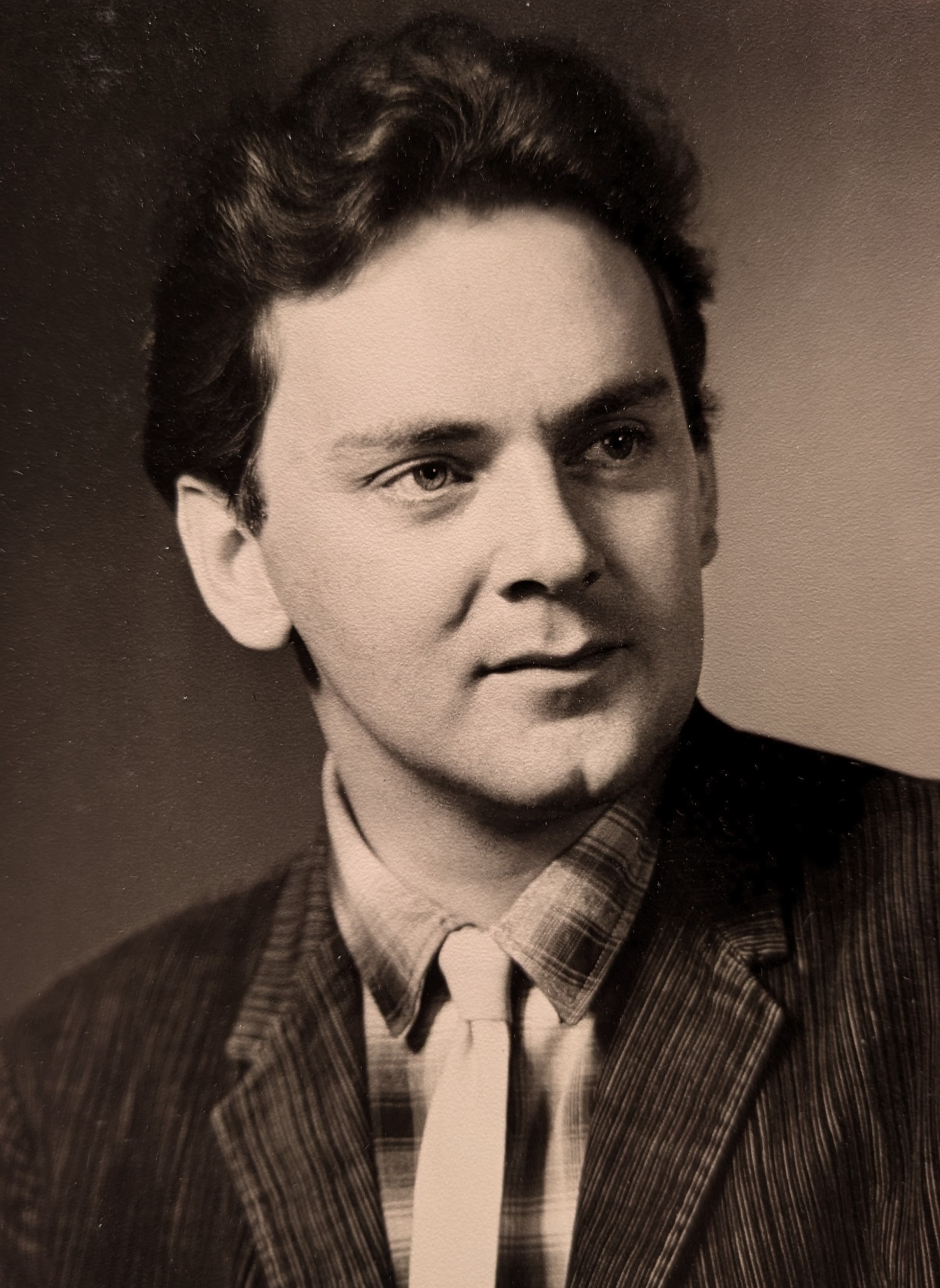 Brian Warner was born near East Grinstead in Sussex on 25 May 1939. His parents were Leslie Warner, a gardener, and Edith Mary Bashford, who were married at East Grinstead in 1927: he was their only child. Somehow, he got into East Grinstead County Grammar School despite failing the Eleven Plus. While there he became seriously interested in astronomy and was encouraged by the eccentric amateur astronomer Patrick Moore. In Moore’s Guardian obituary (2012), he wrote:
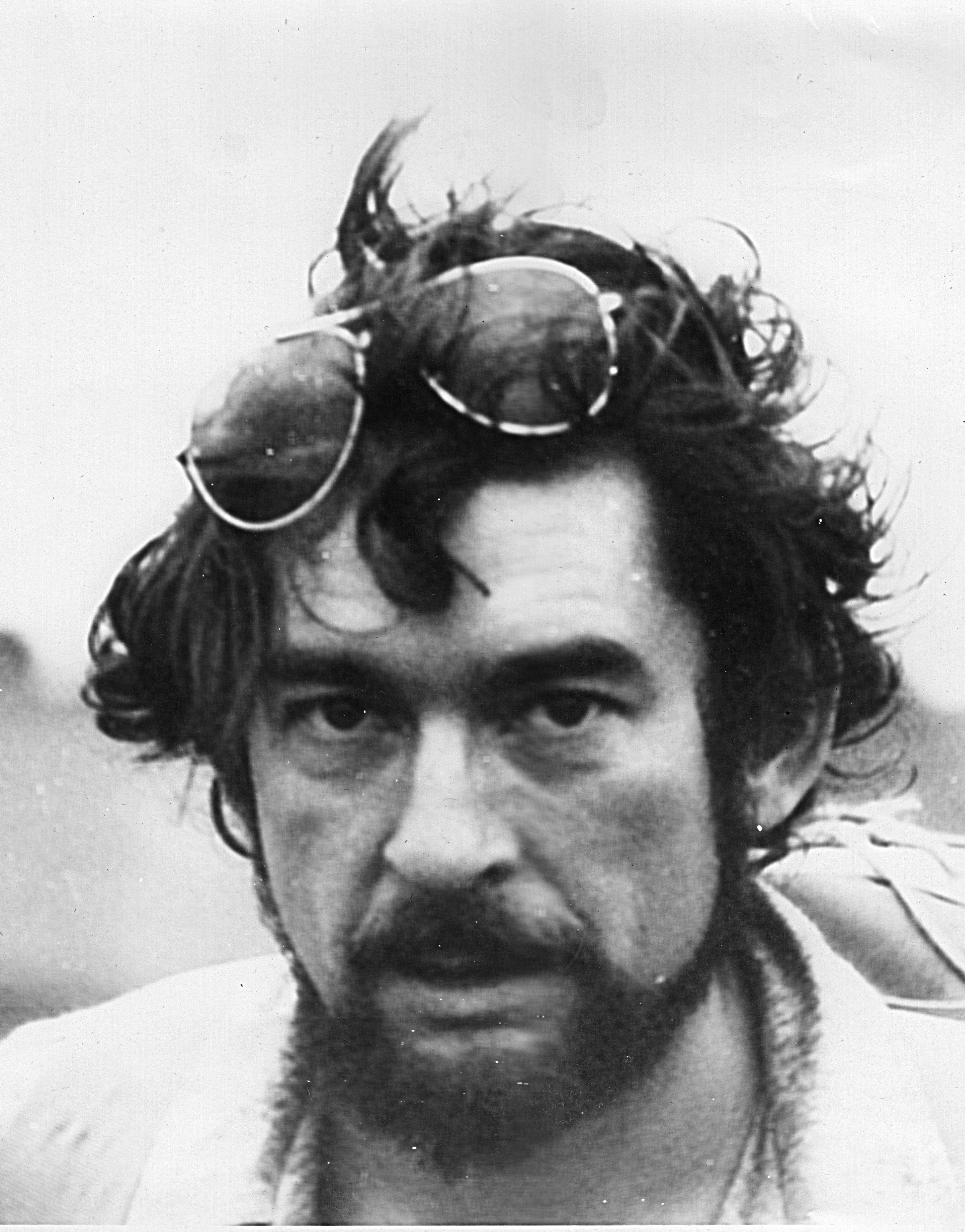 Bill Newton-Smith, Fellow and Tutor in Philosophy from 1970 to 2005, tackled large questions with rigour and precision. He published six books, most notably The Structure of Time (1980) (Is time absolute or relative? Is it a container of events or composed of them? He rejected both views and advanced instead two new theories, so as to shift the argument to whether time is a theoretical structure or a theoretical framework) and The Rationality of Science (1981) (How, as ‘moderate realists’, are we to account for scientific progress? He here advanced a widened view of rationality that effectively answers the criticisms of such sceptics as Thomas Kuhn and Paul Feyerabend). He also published an introduction to logic, he edited the Blackwell Companion to the Philosophy of Science (2000), containing entries by many distinguished contributors and described by one reviewer as ‘delightful and clear’, and he co-edited Modelling the Mind (1990), a book on the central question of cognitive science: ‘how do we model the mind?’, deriving from a Balliol-based interdisciplinary seminar, bringing together a distinguished group of philosophers, psychologists, and physiologists. He also edited Popper in China (1992), a collection of previously unpublished essays from both the West and China on Karl Popper’s philosophy of science, arguing that Popper’s philosophy had a direct relevance to the wider political context in China.
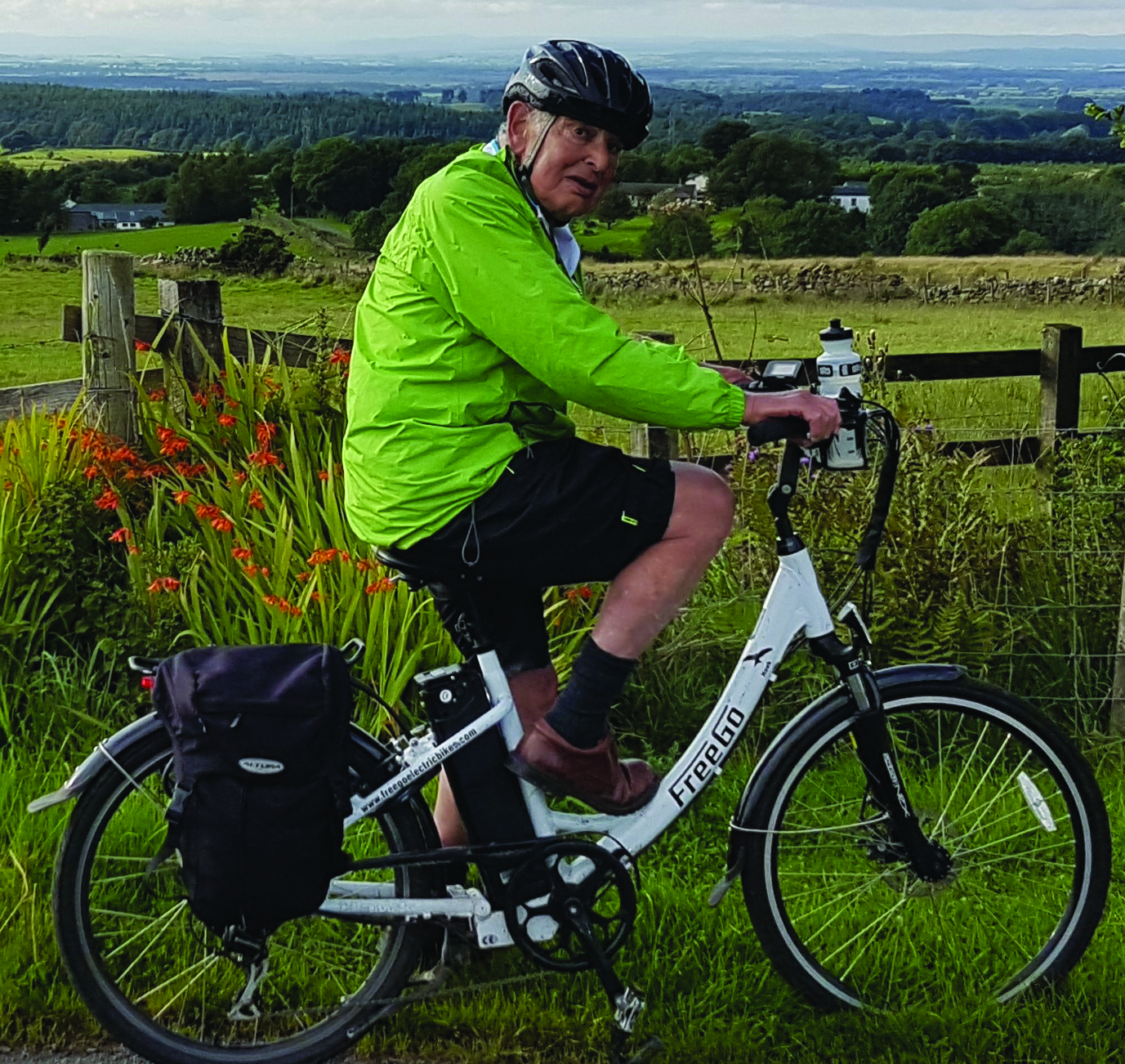 Norman Franklin read chemistry as an undergraduate at Balliol from 1946 to 1949. He always remembered his time at Balliol with great pleasure and was a devoted attendee at gaudies. He took great pleasure that one of his children and two grandchildren also studied there.
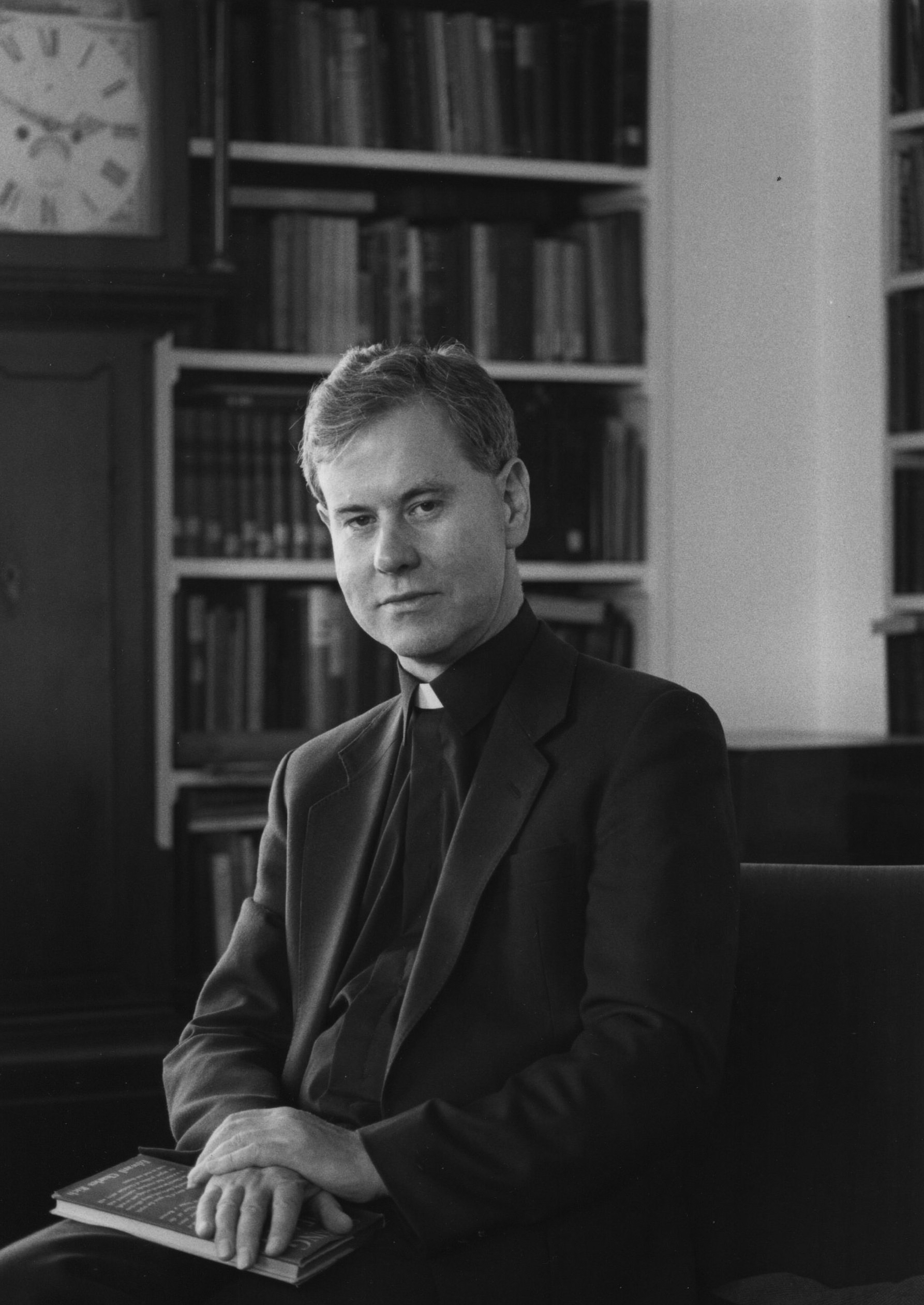 Ian Turnbull Ker was born in Nainital, India, on 30 August 1942 and moved to England with his family in 1947. From Shrewsbury School he went to read Classics at Balliol under three of the leading scholars of the time: Gordon Williams (Fellow and Tutor in Classics 1953–62), Russell Meiggs (Fellow 1939–1970), and R.M. Hare (Fellow 1947–1966). Ker completed a second degree in English literature at Corpus Christi College before moving to Trinity College, Cambridge, for a doctorate on George Eliot. After a spell teaching at the University of York, he abandoned his academic career to train for the priesthood, having become a Catholic during his years at Oxford.
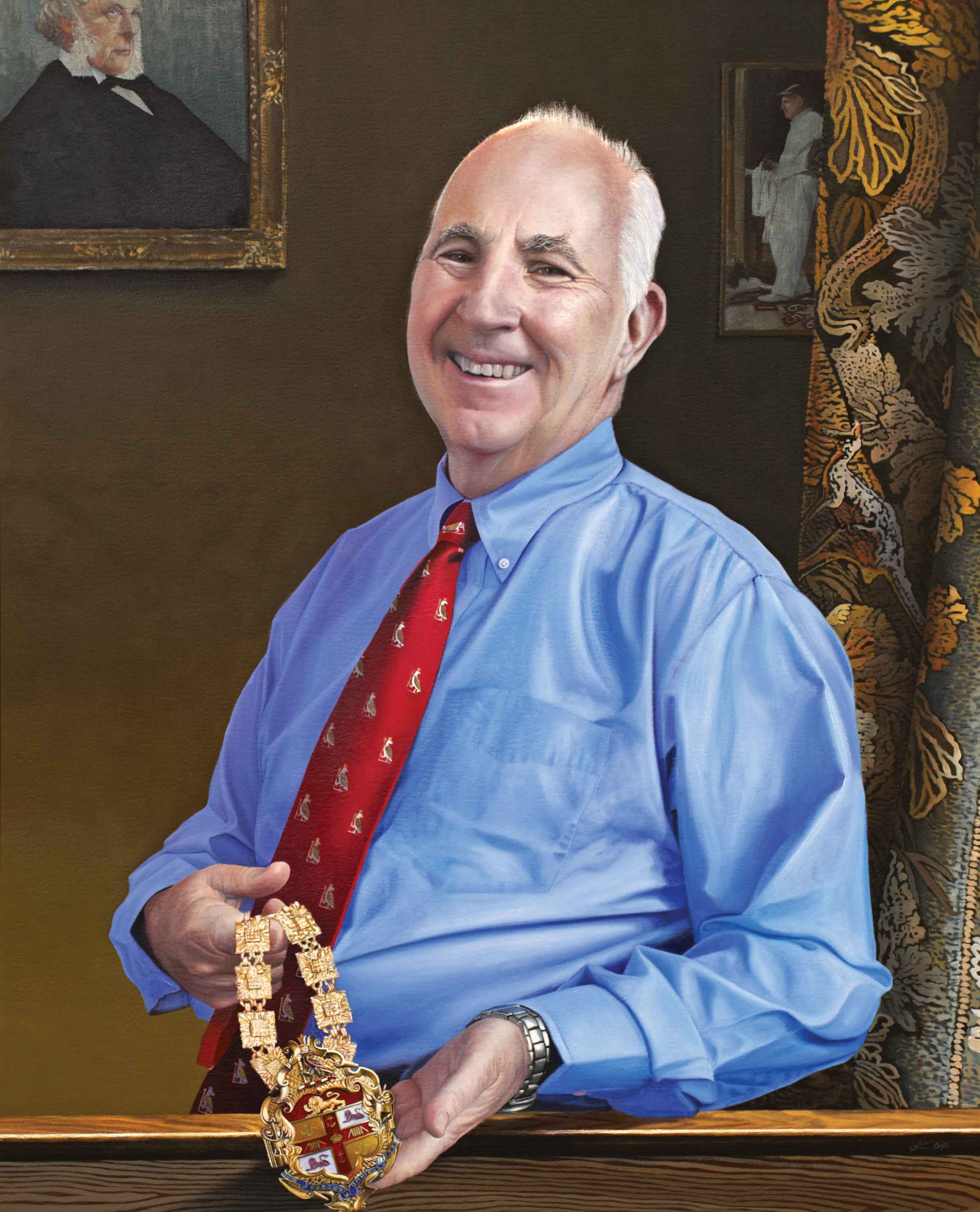 Peter was born in Horsham in the state of Victoria, Australia, in 1934. His father, Stanley Morris, was a civil engineer, and a twice medal winner in the Premier Australian Football League (AFL). His mother, Mary (née Hennessy), was a pharmacist. His father died suddenly at the age of 49 from a heart attack, when Peter was 14, and tragedy hit again a year later when his younger brother, Stan, was killed in a car accident.
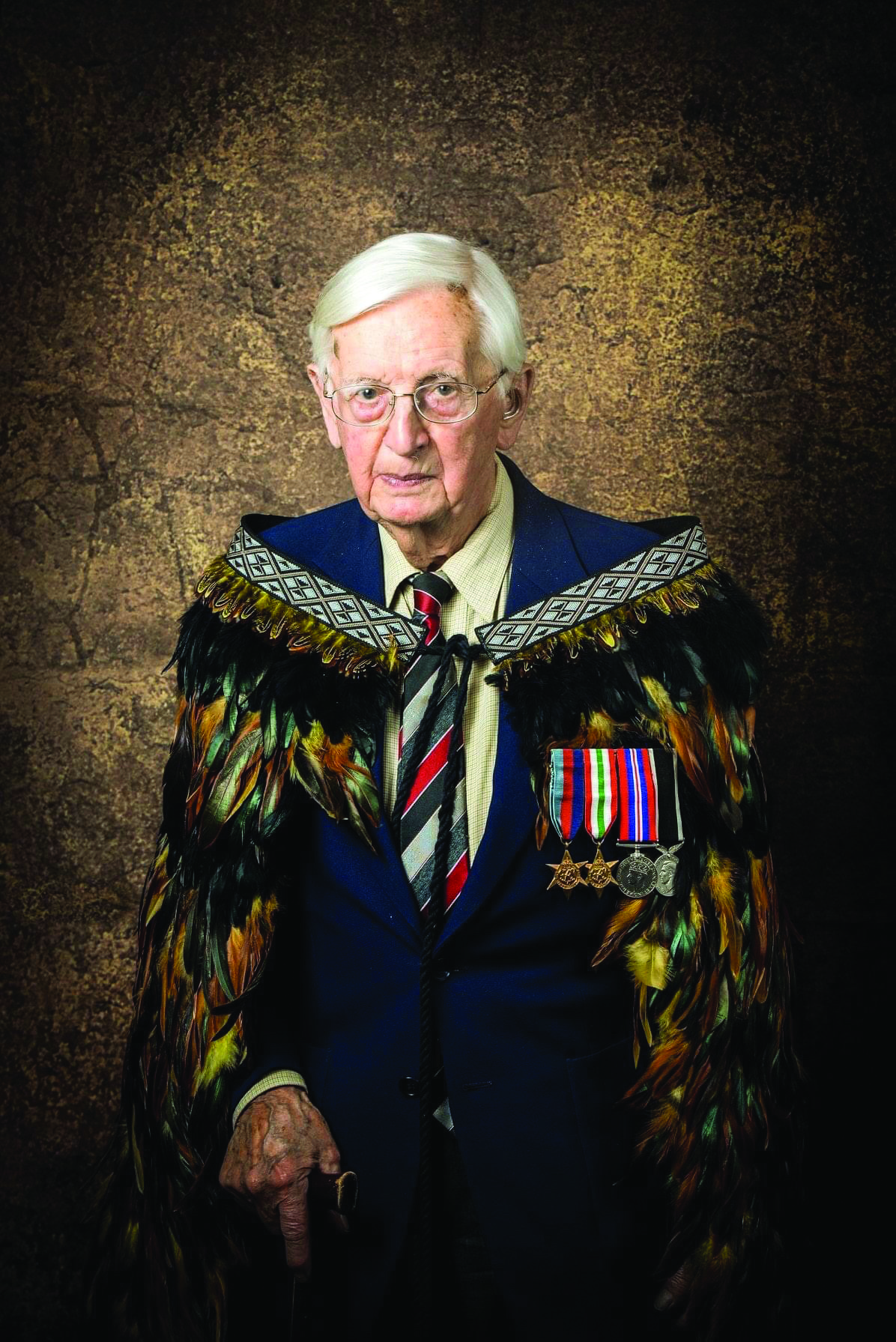 Born in 1921, Bruce grew up in rural New Zealand, attended Auckland Grammar School and completed his BA at the University of New Zealand in 1941 as New Zealand’s Top Scholar in Latin and Greek.
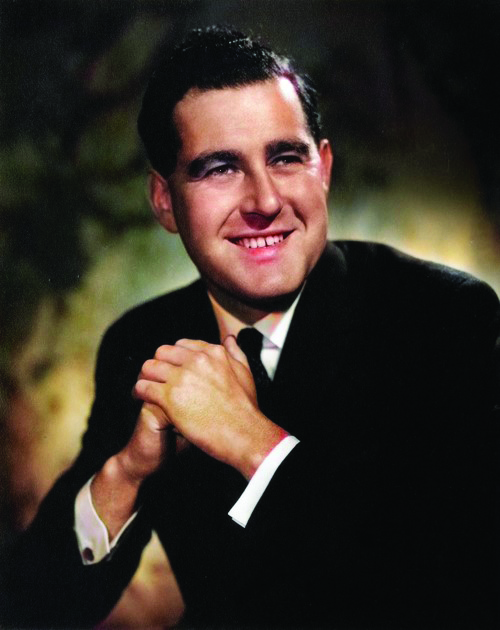 Robin Blackhurst was born on 28 August 1934 in Lytham St Anne’s. From his mother he inherited a lifelong love of poetry, literature, and theatre as well as sincere consideration for others; from his father, a passion for fishing and golf and a Lancastrian detestation of snobbery.
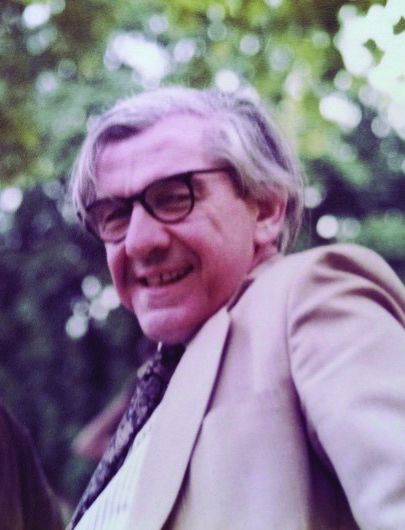 Alastair’s arrival at Balliol as Tutor in Engineering Science in 1965 rescued the College from an unexpected problem. Perhaps I should explain. Balliol was one of the first Oxford colleges to establish a Tutorial Fellowship in Engineering Science (there were none prior to 1958). The first holder of the post was Les Woods, who had started in early 1961, coming from the University of New South Wales in Sydney, where he already had the position of Professor. However, the University role to which Les came as the other side of his Oxford joint appointment was that of ‘Demonstrator’ (equivalent to what we now know as ‘University Lecturer’). Les had quickly become frustrated at the lack of promotion opportunities in the Department of Engineering Science, and in 1964 had jumped ship to the Mathematical Institute, where he became Reader in Applied Mathematics (and in 1970 Professor of Mathematics). Les’s account of this saga can be found elsewhere.1 It posed a problem for Balliol. Although Les continued with Balliol tutorial teaching in engineering until 1970, the removal of the College’s direct link with the University’s engineering department was clearly unfortunate. In response, College resolved to recruit another Tutor in Engineering Science who would also be a University Lecturer in Engineering Science, and it was to this post that Alastair was appointed in 1965. Although not reached by quite the route College had intended, this was a good outcome. In Alastair the College had found an excellent tutor, who would serve Balliol and many cohorts of Balliol engineering undergraduates with dedication, ability, and above all kindness for the next 30 years.
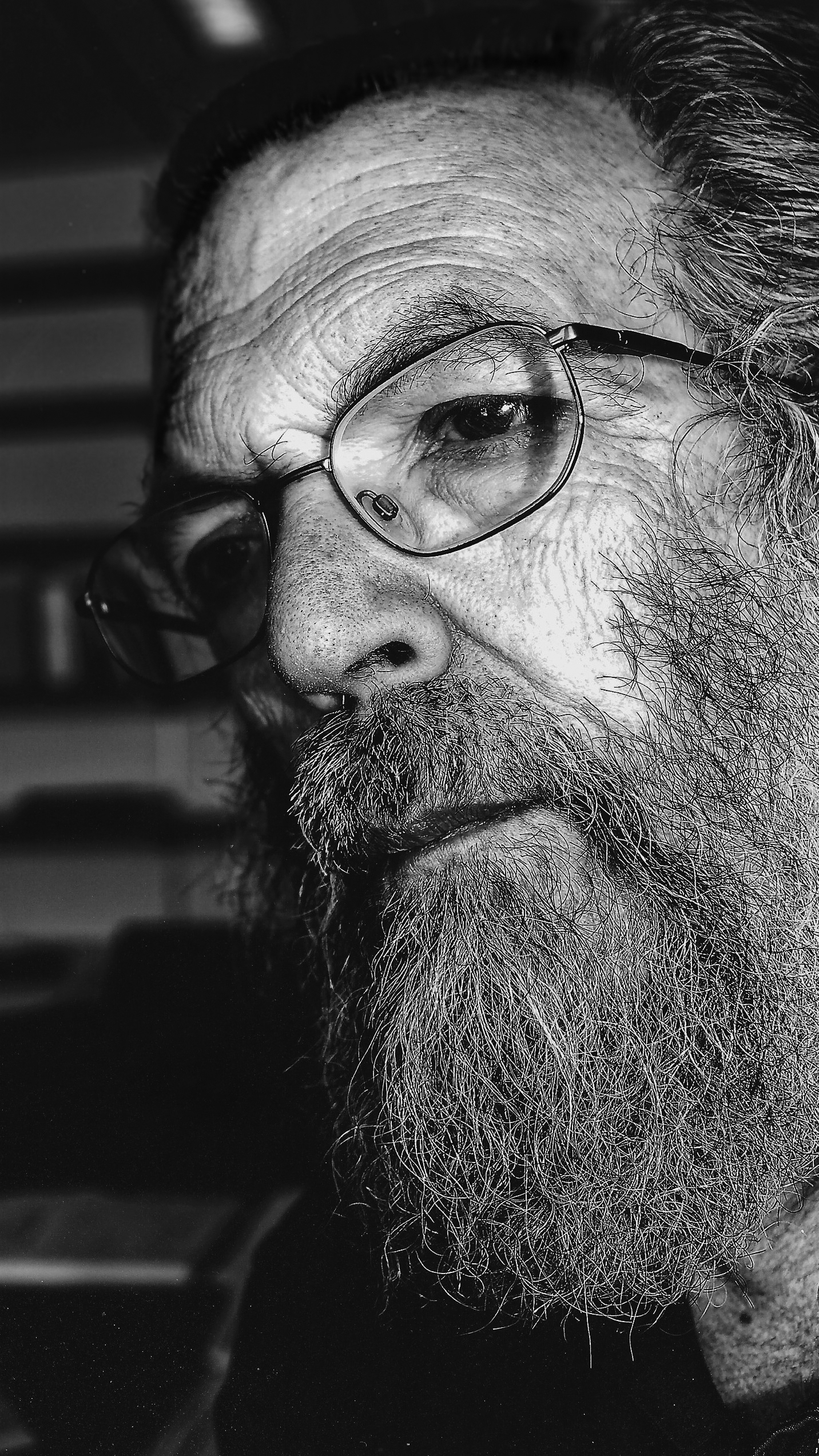 Fifty years ago, in 1972, Balliol appointed a new Law Fellow who would transform legal philosophy and re-animate much of moral and political philosophy. He cast light on ever-more basic problems concerning the significance of human autonomy, the nature and potential legitimacy of authority, and the nature of reason and reasons. He did it through brilliant, creative thinking, with sensitivity and sheer perseverance.
 Godfrey Fowler was one of Balliol’s towering medical figures. We met regularly from the time I f irst arrived at Balliol as a Lecturer and the meetings were a delight. He was kind and generous, and always interested in what the medical students and his medical colleagues were doing. In 2015 a group of students were mesmerised by the tales he told as he and I held a ‘conversazione’ at a Medical Society meeting in the Master’s Drawing Room, discussing his life. It was a very special occasion with wonderful stories about his time as a student and then a practitioner. He was a general practitioner of the old school, the likes of which we shall never see again.
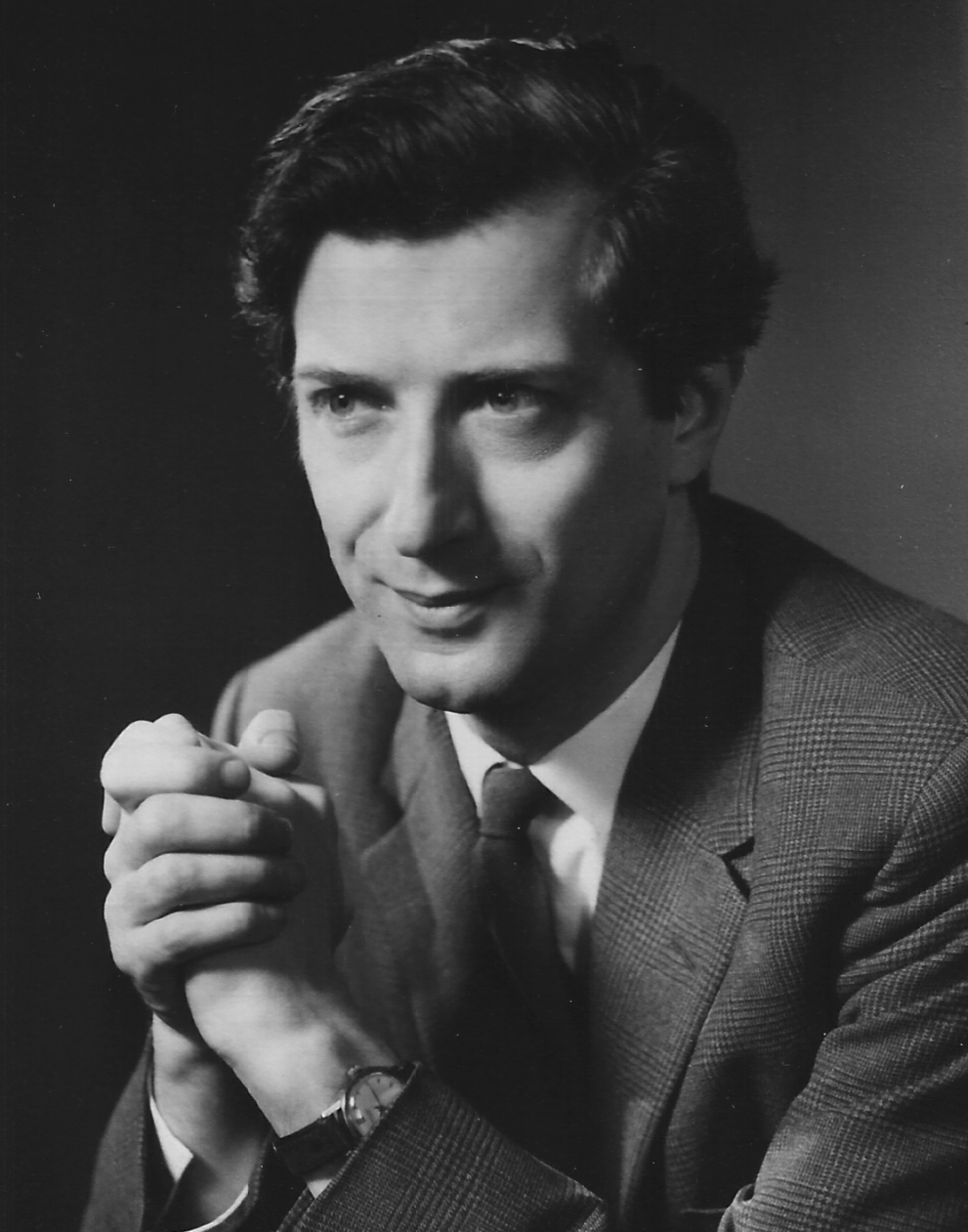 Roger Harrison Lonsdale was born in Hornsea on the Yorkshire coast on 6 August 1934 and attended Hymers School in nearby Hull. He was not only a good scholar but also a good citizen, serving as editor of the school magazine (1950–1952), as well as Secretary of the Music and Debating Societies and Under Officer of the Combined Cadet Force. He was made Head of House and played in the First XI, so when he left in 1952 he could scarcely have had a more glittering track record. Talking with him once about the business of undergraduate admissions, I remember Roger telling me that he had first put in to read English at Christ Church: there he was interviewed by the formidable J.I.M. Stewart, who turned him down. (‘So you see’, Roger said with the barest shadow of a smile, ‘no one always gets it right.’) He tried again and was more successful with Lincoln College. Young men were usually advised to do their National Service before coming up, and Roger did his two years as a Navigator in the Royal Air Force before arriving at Lincoln in 1954.